

Why Boxing for Stress Relief Actually Works
July 10, 2026
Jiu Jitsu for Beginners in Your First Class
July 12, 2026
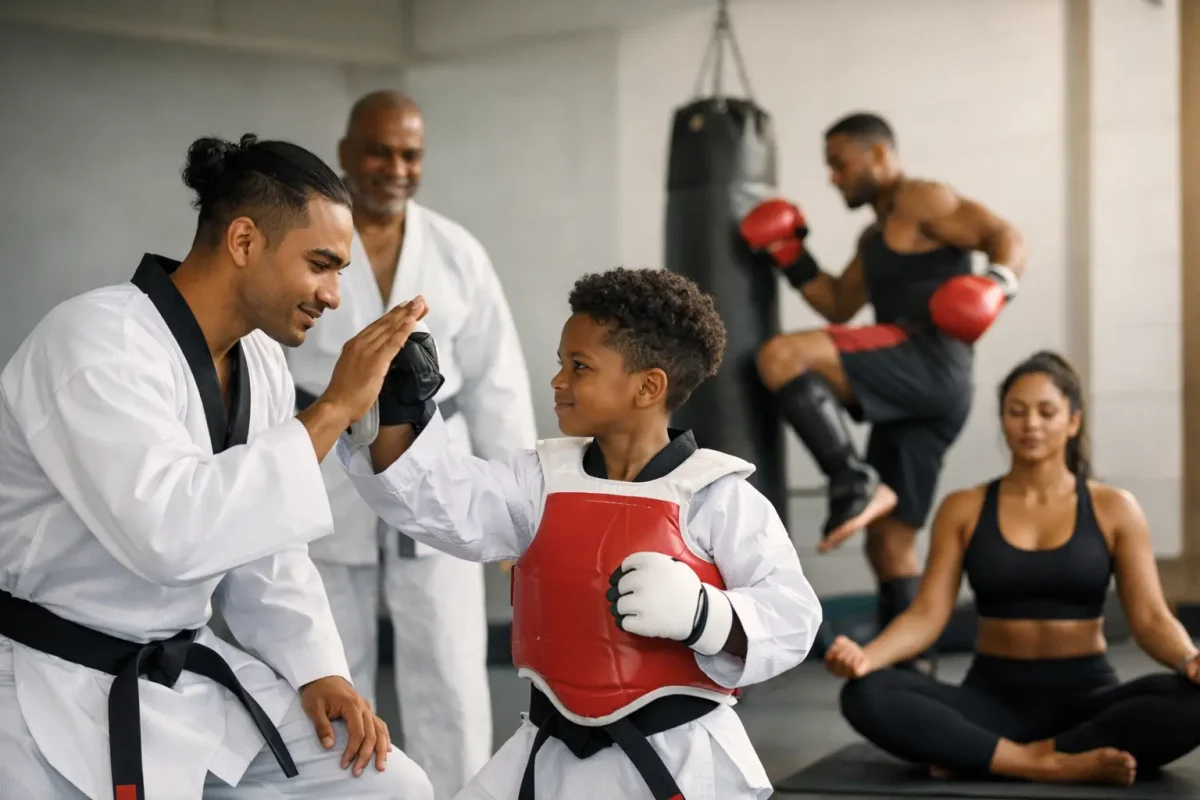
Motivation is unreliable. It disappears when the alarm rings early, when school feels demanding, when work is stressful, or when anxiety makes even simple tasks feel heavier than they should. Taekwondo for discipline gives people something more dependable: a repeated practice of showing up, following direction and completing the task in front of them.
That’s why the value of Taekwondo reaches far beyond kicks and belts. A well-structured class trains the body, but it also trains attention, emotional control and personal responsibility. For children, teens and adults, this can become a practical framework for living with greater consistency.
Why Taekwondo Builds Discipline Differently
Discipline is often misunderstood as being harsh with yourself. It isn’t punishment. It’s the ability to do what supports your goals, even when your feelings are changing. Taekwondo makes that ability visible.
Every class asks for a sequence of small decisions: arrive on time, line up, listen, practise the stance again, reset after a mistake, respect the training partner and finish the session. None of these actions is dramatic on its own. Repeated week after week, they build a person who is less likely to negotiate with themselves when life gets uncomfortable.
The structure matters. In Taekwondo, there’s a clear progression from basic movements to patterns, sparring skills and higher levels of responsibility. Students don’t need to guess what progress looks like. They can see it in their posture, technique, fitness, confidence and belt journey.
This is especially valuable for people who feel overwhelmed by large goals. “Be more focused” is vague. “Practise this pattern with full attention for two minutes” is clear. The nervous system responds well to clear expectations, repetition and achievable challenges.
Discipline Is Built Through Repetition, Not Intensity
A single hard session can feel powerful. It doesn’t automatically change behaviour. Lasting discipline is formed when training becomes part of a regular rhythm.
Taekwondo teaches this through drills. A student may repeat a block, a front kick or a stance many times before it feels natural. At first, the movement can feel awkward. The body wobbles, concentration slips and frustration appears. Then the student returns to it.
That return is the lesson.
Each repetition tells the brain: I can stay with a difficult task. I can improve without needing immediate perfection. I can begin again after getting it wrong. These aren’t merely martial arts lessons. They’re skills for homework, exams, employment, relationships and health.
For parents, this is one reason Taekwondo can be more useful than an activity that offers only entertainment. Children need enjoyment, but they also need an environment where expectations are consistent and effort has meaning. A child who learns to stand still, wait for instruction and keep trying develops tools that travel with them into the classroom and home.
Taekwondo for Discipline Also Trains Emotional Control
Discipline is difficult when the nervous system is in alarm. When someone is angry, anxious, overstimulated or ashamed, their capacity to think clearly can shrink. They may react quickly, shut down or give up before they’ve properly started.
A good martial arts class doesn’t demand that students never feel these emotions. It teaches them what to do next.
Breathing before a drill, returning to a ready stance, pausing after correction and focusing on one instruction at a time are simple forms of regulation. Physical exertion can also provide a healthy outlet for stress. The goal isn’t to suppress emotion. The goal is to create enough space between feeling and action to choose a better response.
This matters for trainees managing ADHD, autism, anxiety or depression, though no two people need the same support. Some students benefit from predictable routines and clear demonstrations. Others need extra movement, a quieter explanation, shorter instructions or time to settle after a demanding day. Discipline shouldn’t mean forcing every learner through one rigid mould.
The standard can remain high while the coaching is responsive. Clear boundaries and psychological safety aren’t opposites. Together, they create an environment where students can take healthy risks, recover from mistakes and continue progressing.
The Belt System Gives Effort a Direction
Belts aren’t the purpose of Taekwondo, but they can be a useful tool. They mark development over time and remind students that competence is earned through practice.
A belt test can teach a powerful reality: preparation can’t be borrowed at the last minute. The student who has attended consistently, practised carefully and accepted feedback will usually feel more prepared than the student who relied on intention alone.
This isn’t about shame or comparison. People learn at different speeds, and life circumstances affect attendance and energy. The important measure is honest effort over time. Progress may mean improving technique, managing nerves during a grading, returning after a difficult week or simply having the courage to start as a beginner.
For teenagers, this process can be particularly grounding. Adolescence brings pressure to perform, fit in and appear confident. Taekwondo offers a more solid identity: someone who trains, learns, respects others and keeps their word. That identity is built in action, not through motivational slogans.
How to Turn Training Into a Discipline Practice
The strongest results come when students treat class as an appointment with their future self. Choose regular training days and protect them where possible. Put the uniform out beforehand. Arrive early enough to settle rather than rushing in already stressed.
During class, focus on one standard at a time. It might be holding a stronger stance, listening fully before moving or responding calmly to correction. Trying to fix everything at once usually leads to frustration. Small, specific commitments are more likely to become habits.
After training, take one minute to reflect. Ask: Where did I stay disciplined today? Where did I make an excuse? What will I repeat next class? This simple review builds self-awareness without turning training into self-criticism.
Parents can support this process by praising behaviours rather than only outcomes. Instead of saying, “You’re so talented,” try, “You kept practising even when that pattern was difficult.” Talent can feel fixed. Effort, preparation and composure are choices a child can practise again tomorrow.
Adults need this reminder too. Many arrive at martial arts training carrying the weight of work, family duties and poor sleep. Some sessions will feel strong; others will feel like a fight just to attend. Both count. Discipline over motivation means recognising that a modest session completed with intention is still a vote for the person you’re becoming.
What Discipline Isn’t
Taekwondo should never be used to frighten a child into obedience or to teach an adult to ignore pain, exhaustion or emotional distress. Training hard is valuable. Training without judgement isn’t.
There’s a difference between productive discomfort and warning signs. Sore muscles after a new drill may be normal. Sharp pain, dizziness, persistent low mood or escalating anxiety deserve attention and, where needed, professional support. A disciplined person doesn’t blindly push through every signal. They learn to respond wisely.
It also helps to be realistic about timing. Two classes a week may be transformational for one person and difficult to sustain for another. The best routine isn’t the most ambitious one on paper. It’s the one you can maintain consistently while meeting the demands of your life.
At Edson Breedy Athletics, Taekwondo is approached as mind-body training: disciplined, challenging and informed by the reality that every student brings a different nervous system, history and goal into the room.
The Habit That Carries Into Life
A bow at the start of class is a small act. So is standing in ready position when you would rather drift, or trying one more repetition when the movement isn’t yet clean. These moments teach self-respect through action.
You don’t need to feel ready to become disciplined. You need a place to practise it. Step onto the mat, follow the next instruction and let the habit grow one class at a time.
Train your mind. Build your body.
Your first week is just TTD $50, every discipline, every class, no experience needed. Come find out what training with EBA feels like.
