How to Prepare a Child for Taekwondo Class
October 28, 2026Kids Fitness Trinidad Builds Discipline That Lasts
November 1, 2026
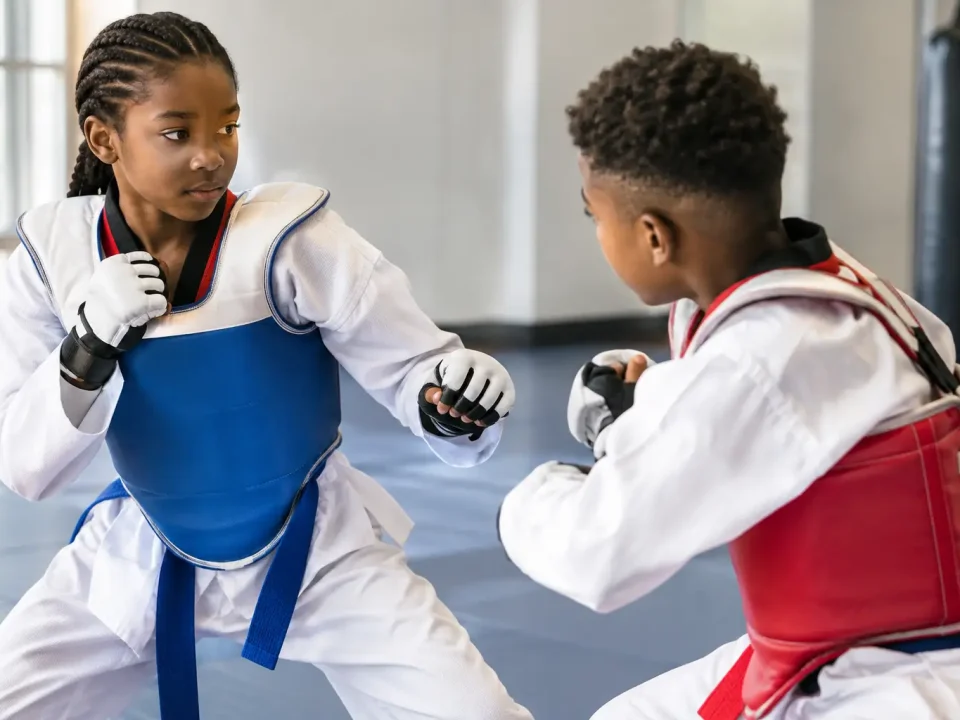
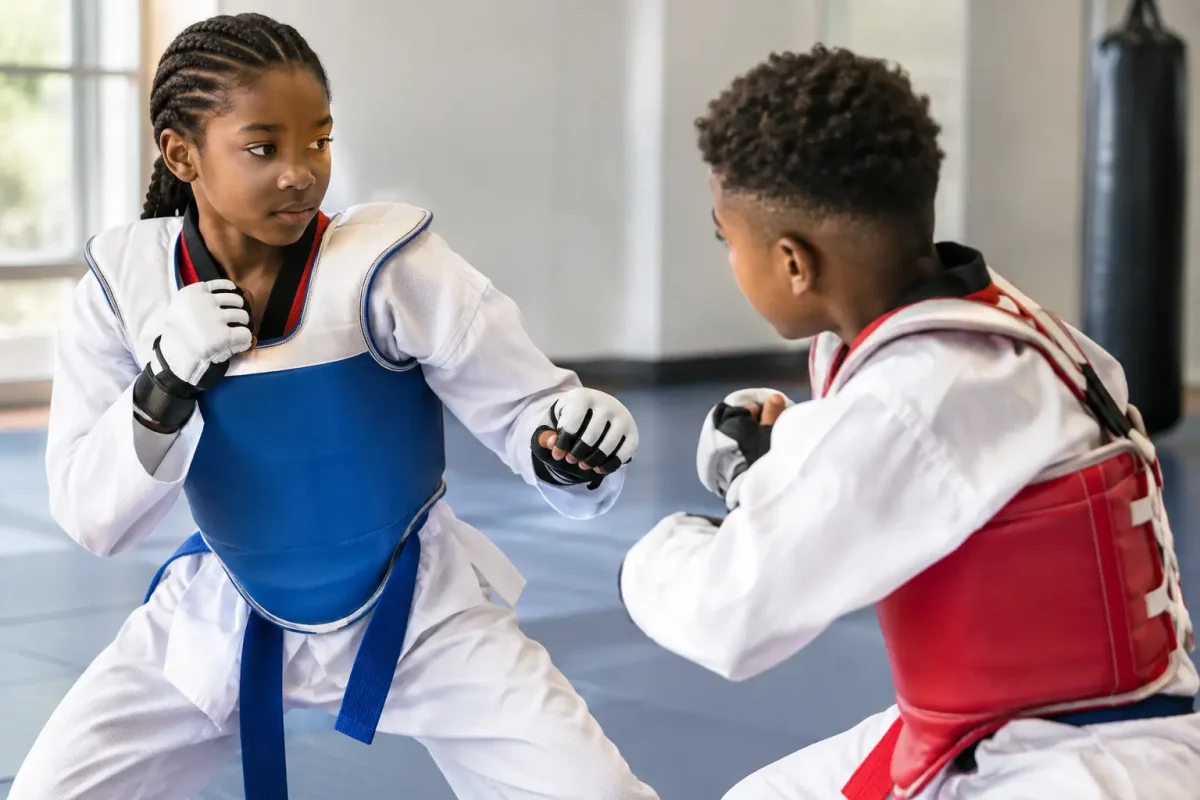
A child may be fully capable of learning a kick, a kata or a fitness drill, yet become overwhelmed by a loud room, rapid instructions or unexpected physical contact. An adult may want the discipline of combat training but find crowded classes exhausting before the session even begins. So, what’s sensory friendly training? It’s structured physical coaching designed to make participation more predictable, adjustable and emotionally safe without lowering the standard of progress.
Sensory friendly doesn’t mean passive. It doesn’t mean every session is quiet, easy or free from challenge. It means the coach understands that the nervous system affects how a person hears, moves, focuses, recovers and responds under pressure. Training is then organised with that reality in mind.
For children, teens and adults with autism, ADHD, anxiety, sensory processing differences or a history of feeling excluded from sport, this can be the difference between merely attending and genuinely building confidence.
What sensory friendly training actually changes
A typical class can contain many sensory demands at once: music, shouting, whistles, bright lighting, close proximity, fast transitions, sweat, physical contact and multiple people speaking. None of these things is automatically harmful. But when they arrive all at once, some trainees can move from engaged to overloaded very quickly.
Sensory friendly training reduces unnecessary uncertainty. The session may follow a visible routine, with a clear beginning, warm-up, skill focus, practice and finish. Coaches use direct instructions, demonstrate before expecting execution and give trainees time to process what they’ve heard. Transitions are signposted rather than sprung on people without warning.
The aim isn’t to remove every challenge. Martial arts, boxing, kickboxing and fitness all require effort, coordination and controlled exposure to pressure. The goal is to make the challenge purposeful. A trainee should be working hard because they’re learning a skill, not spending all their energy trying to cope with a confusing environment.
It isn’t the same as a quiet class
A sensory friendly class may still include pads being hit, partners moving around the room and moments of high physical intensity. The difference is choice, preparation and regulation. A coach might offer ear protection where appropriate, a quieter place to reset, an alternative to a partner drill or advance notice before a louder activity begins.
That flexibility must be paired with boundaries. Training can’t become directionless because someone is having a difficult day. Good coaching keeps the standard clear while adjusting the route towards it. Discipline over chaos. Progress over perfection.
Why nervous system regulation belongs in physical training
When the nervous system senses threat or overload, the body prepares to protect itself. Attention narrows, breathing can become shallow, muscles may tighten and simple instructions can feel impossible to follow. A person may appear distracted, defiant, withdrawn or unusually emotional when they’re actually overwhelmed.
A sensory aware coach doesn’t excuse unsafe behaviour or abandon structure. They look beneath the behaviour before deciding how to respond. Is the room too noisy? Was the instruction too broad? Has the trainee had enough recovery between demanding drills? Would a visual demonstration help more than repeating a verbal cue?
This matters because regulation is a trainable skill. Through steady routines, breathing, movement, balance, controlled striking and clear feedback, trainees can practise noticing their state and returning to the task. They learn that discomfort isn’t always danger, and that a moment of stress doesn’t have to end the session.
For someone living with anxiety, that may mean arriving tense and leaving with a calmer, more settled body. For a child with ADHD, it may mean using movement and clear goals to strengthen attention. For an autistic trainee, it may mean developing trust in a space where needs are respected without being treated as a limitation.
Training supports wellbeing, but it isn’t a replacement for medical, psychological or therapeutic care where that support is needed. Its role is practical and powerful: create repeated opportunities to practise self-regulation, effort and recovery.
What sensory friendly coaching looks like on the floor
The strongest programmes don’t rely on a single adjustment. They build an environment where clear expectations are part of the culture. At Edson Breedy Athletics, that means combining disciplined martial arts and fitness coaching with an informed understanding of how stress, attention and sensory input affect performance.
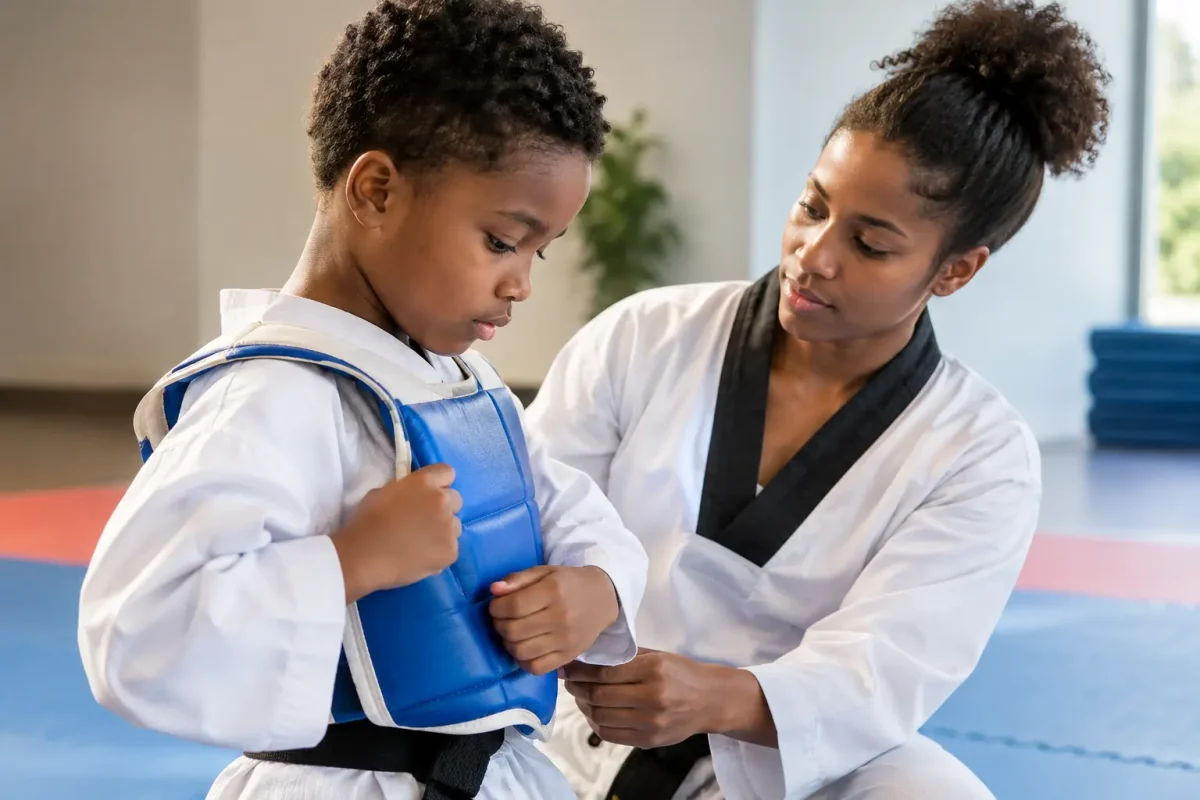
A coach may start by explaining the plan for the class and the goal of each drill. Instead of saying, “Get into groups and practise,” they may specify who works together, how long the round lasts and what success looks like. That clarity helps beginners as much as it helps neurodivergent trainees.
Physical contact is handled with consent and progression. In jiu-jitsu, boxing or partner-based martial arts, a trainee may first learn positions or techniques through demonstration, solo movement and light, predictable practice before progressing to more complex contact. Nobody benefits from being pushed into intensity they can’t yet regulate.
Feedback also matters. Vague criticism creates uncertainty. Specific coaching builds competence: keep your guard higher; turn your hip through the kick; take two breaths, then reset your stance. Small, measurable instructions give a trainee something they can act on immediately.
Who can benefit from sensory friendly training?
Sensory friendly training is often associated with autism, and it can be highly valuable for autistic children and adults. But it isn’t only for one diagnosis. People with ADHD may benefit from active, well-paced structure. Those with anxiety may value predictable routines and gradual exposure to challenge. People recovering confidence after depression, injury, bullying or a long break from exercise may need a place that feels serious without feeling judgemental.
Parents may notice that their child struggles with busy after-school activities, becomes distressed by sudden changes or avoids team sport despite enjoying movement. That doesn’t mean the child lacks discipline. It may mean the environment is asking too much before trust and skills have been built.
Adults often hide these same difficulties. They sign up for a gym, feel lost among unfamiliar equipment and loud crowds, then stop going. The answer is rarely more self-criticism. It’s a better training structure, a coach who pays attention and a clear reason to return.
Sensory friendly doesn’t mean lowering expectations
This is where quality matters. If a programme removes every demand, trainees may feel comfortable but fail to develop capacity. If it ignores individual needs in the name of toughness, trainees may disengage or associate exercise with distress. The right balance depends on the person, the day and the training goal.
A new student might need shorter rounds, fewer instructions and more demonstration. As confidence grows, the coach can increase complexity, intensity and independence. That’s progression. The support changes as the person becomes more capable.
For parents, the useful question isn’t, “Will my child always need adjustments?” It’s, “What support helps my child participate now, and what skills can they build over time?” For adults, the question may be, “What would consistent training look like if I stopped treating overwhelm as a personal failure?”
How to recognise a genuinely sensory friendly programme
Look beyond the label. A good programme has coaches who can explain how they structure sessions, respond to overload and introduce contact or intensity. They welcome questions before a trial class and don’t promise a one-size-fits-all solution.
Pay attention to how staff speak to trainees. Are corrections calm and specific? Is there structure without humiliation? Can a beginner ask for clarification? Are parents treated as partners in understanding a child’s needs? These details reveal more than a colourful poster or a claim of inclusivity.
It’s also reasonable to ask whether a trainee can observe first, arrive early to become familiar with the space or share relevant sensory preferences before starting. The best coaches use that information to prepare well, while still helping the trainee build independence.
A training environment should ask something of you. It should call you forward, teach you to hold your posture when tired and show you that confidence is earned through repetition. But it shouldn’t demand that you pretend your nervous system doesn’t exist.
The right room gives people a clear path: show up, learn the next skill, recover when needed and return stronger. That isn’t a softer version of training. It’s training with the intelligence to last.
Train your mind. Build your body.
Your first week is just TTD $50, every discipline, every class, no experience needed. Come find out what training with EBA feels like.