How Movement Changes the Brain Through Training
July 20, 2026
A Structured Fitness Programme for Beginners
July 22, 2026
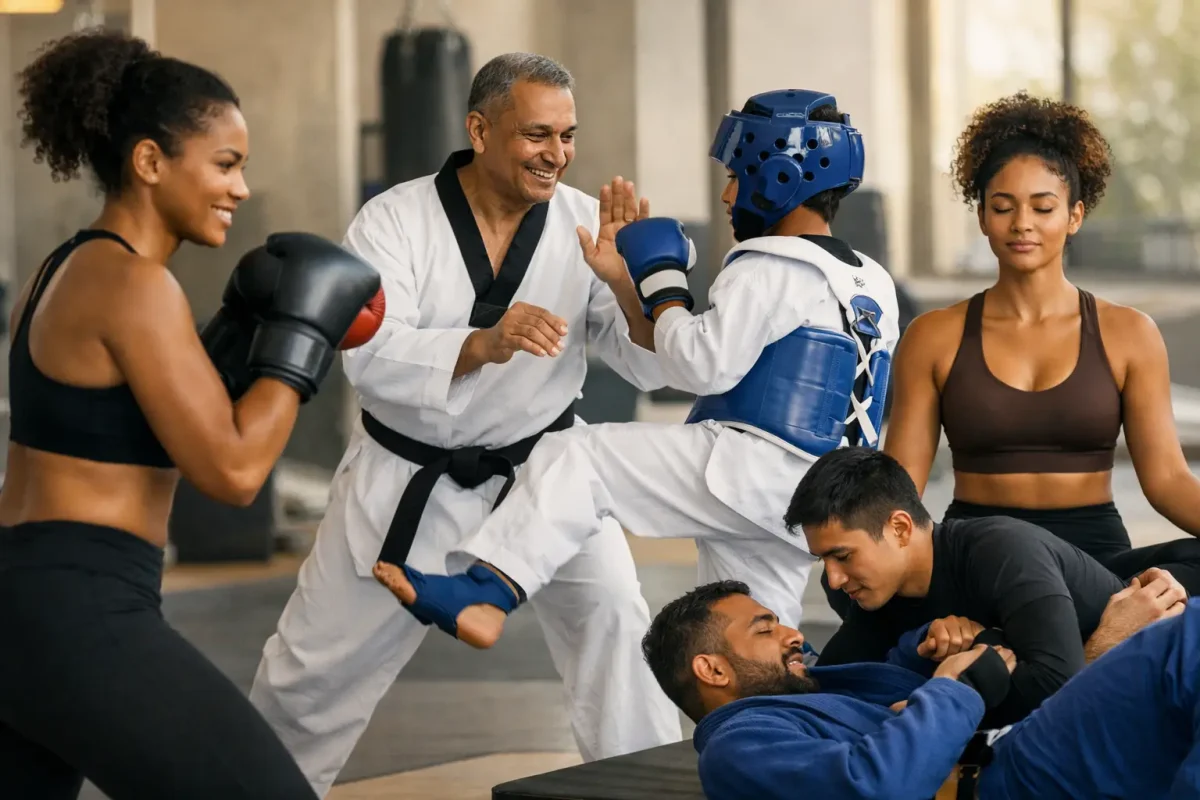
A hard training session can leave you tired. The right one can leave you steadier. Mind body training classes are built for that second outcome: stronger muscles and sharper skills, yes, but also a nervous system that can recover, focus and respond with control when life gets demanding.
For a child, that may mean pausing before a reaction at school. For a teenager, it may mean finding a healthier outlet for pressure. For an adult, it may mean walking into work, family responsibilities or a difficult conversation with more composure than before. Training isn’t an escape from real life. Done properly, it’s preparation for it.
What mind body training classes actually teach
Mind-body training isn’t simply stretching at the end of a workout or adding a motivational speech to a fitness class. It’s a structured approach that treats movement, attention, emotion and behaviour as connected.
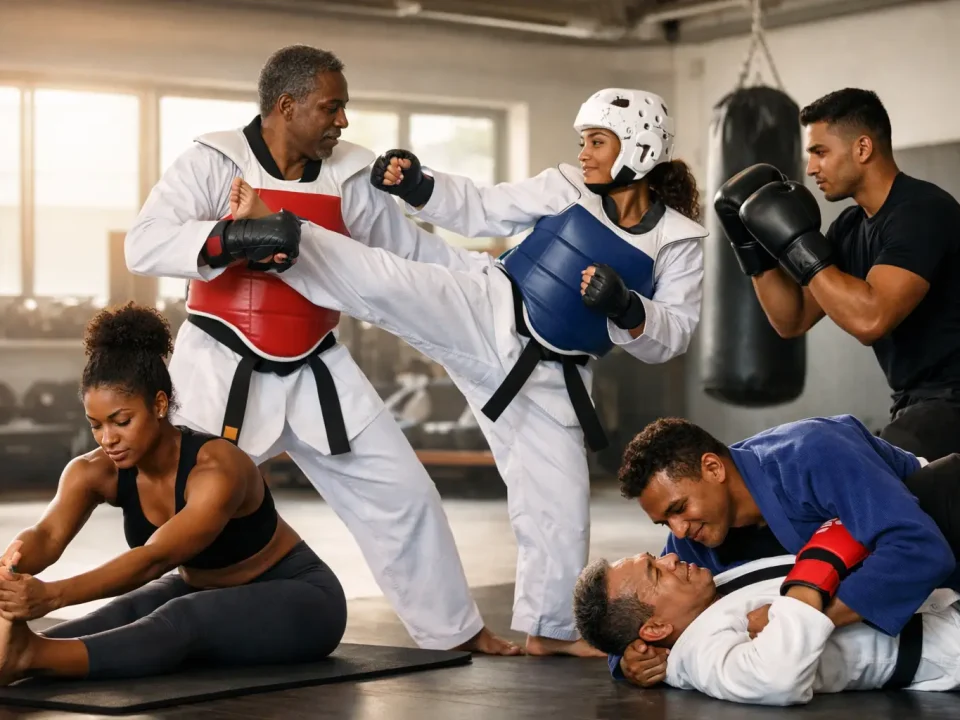
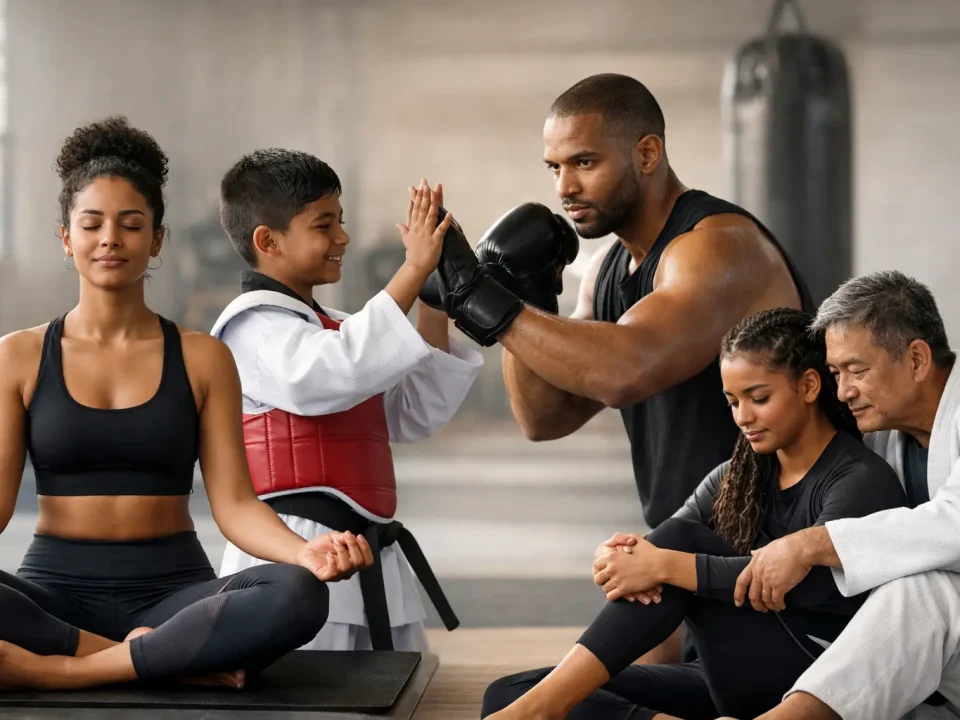
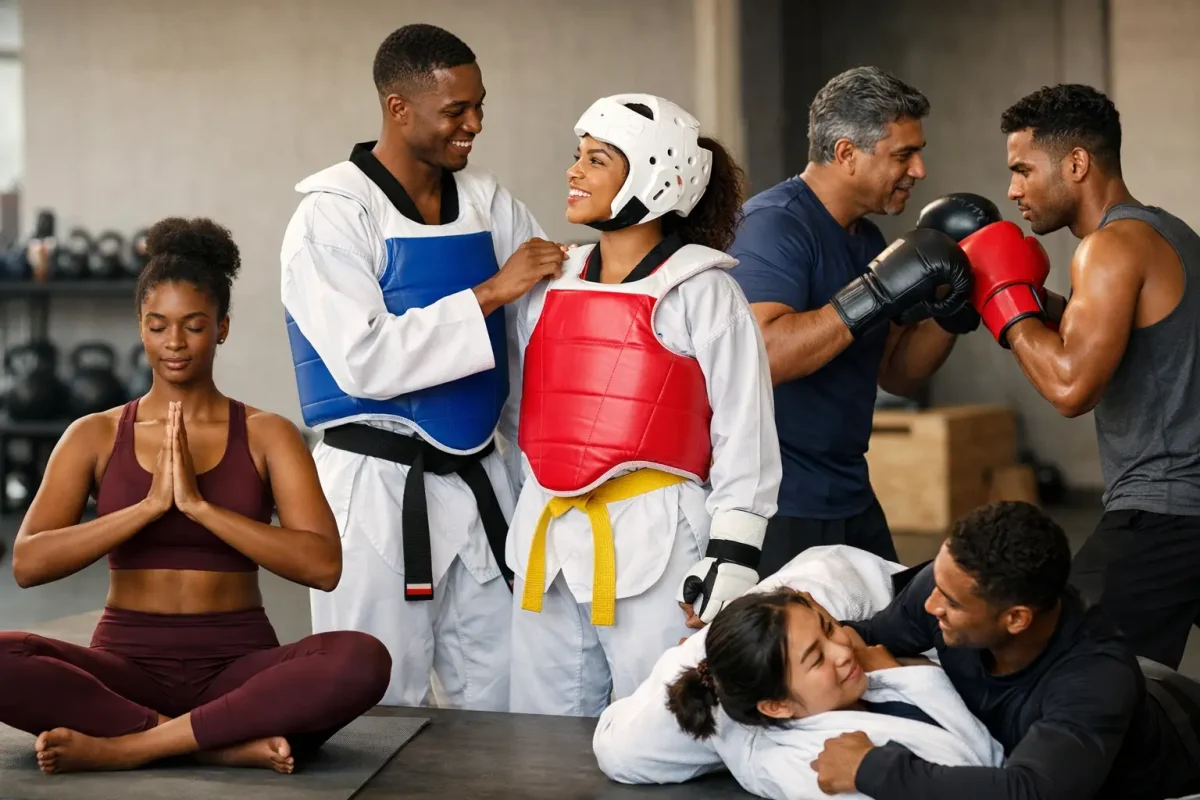
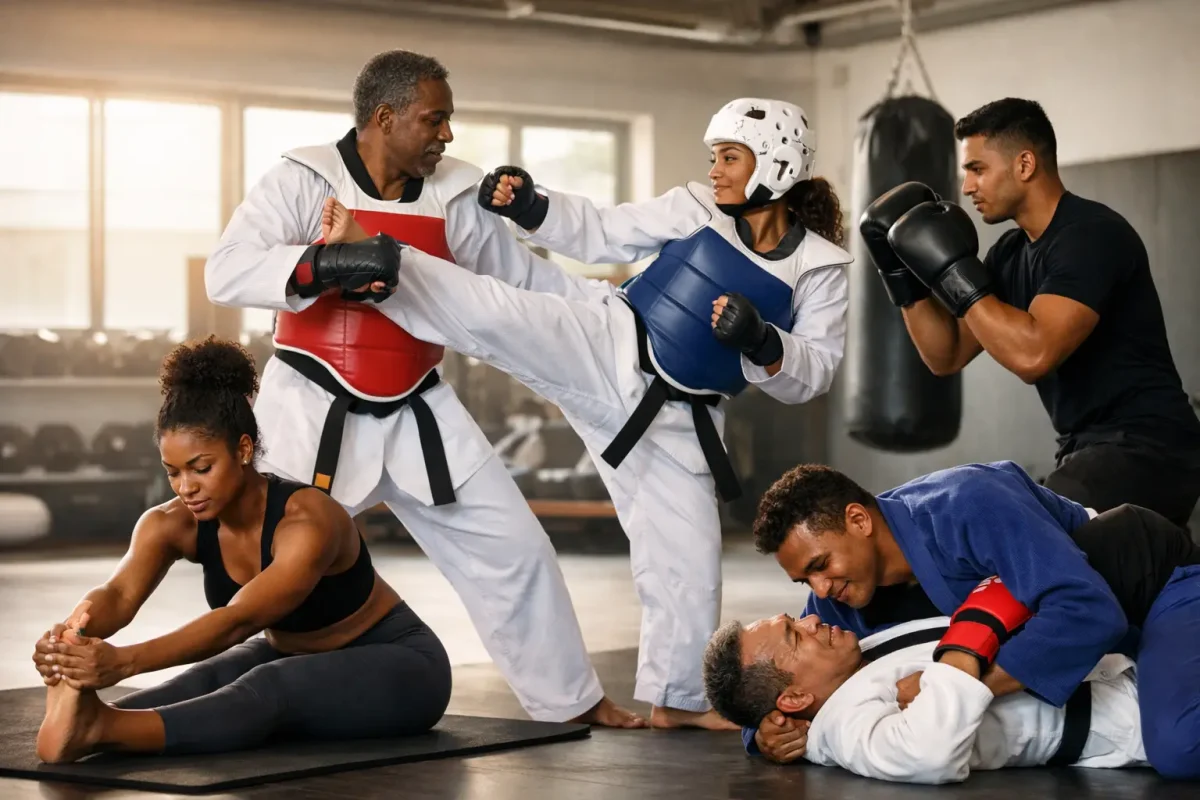
A boxing combination requires concentration under fatigue. Taekwondo demands posture, timing and self-control. Jiu-jitsu asks you to solve problems while under pressure. Yoga asks you to notice your breath and body without forcing either. Each discipline develops the body, but each also gives the brain repeated practice in regulation.
That practice matters because stress changes how people move and think. When the system is overloaded, breathing becomes shallow, attention narrows, muscles brace and impulsive choices become more likely. A well-coached class doesn’t promise to remove stress. It teaches a practical response to it: breathe, orient yourself, follow the next instruction and continue.
This is why the structure of a session matters as much as its intensity. Clear expectations, a consistent progression and achievable challenges help trainees feel safe enough to work hard. Safety isn’t softness. It’s the foundation that allows genuine effort.
Discipline over motivation
Motivation is useful, but it’s unreliable. Some days you’ll feel ready to train. Other days, the mind will make a convincing case for staying home, postponing the work or starting next week.
Stop negotiating with yourself.
Discipline begins with a smaller decision: arrive. Put on the uniform. Wrap your hands. Step on to the mat. Once training becomes part of the week, rather than a reward for feeling motivated, it starts to shape identity. You become someone who keeps commitments, learns under pressure and returns after a difficult day.
For children, this lesson is especially valuable. A class gives them a regular place where effort has rules and progress is earned. They learn that attention is a skill, that respect includes listening, and that frustration isn’t a reason to quit. A belt, a new combination or a cleaner technique becomes evidence that patience works.
Adults need the same lesson, even if it looks different. Career demands, caregiving and daily stress can make exercise feel optional. Scheduled training creates protected time for physical health and mental reset. It also replaces the vague goal of “getting fit” with a process: attend, practise, recover, repeat.
The nervous system needs practice, not just advice
People are often told to calm down, be confident or manage anxiety. Those instructions are too vague to be useful in a moment of pressure. The body needs an experience it can recognise.
Controlled training offers that experience. During pad work, sparring drills or a challenging fitness circuit, the heart rate rises and the body feels demand. With skilled coaching, trainees learn to keep breathing, maintain form and make decisions without panicking. Over time, the body learns that activation doesn’t always mean danger.
There’s an important distinction here. Hard training should be appropriately demanding, not overwhelming. The right intensity depends on age, experience, injury history, current stress levels and personal goals. A beginner doesn’t need to be thrown into the deepest end to become resilient. They need a clear next step and enough repetition to own it.
This approach can be particularly supportive for people with ADHD, autism, anxiety or depression. Predictable routines, direct instruction and purposeful movement can make training more accessible than unstructured fitness spaces. That doesn’t mean every person needs the same coaching. It means good coaches pay attention, offer options and create a culture where progress isn’t judged by who learns fastest.
Choosing the right class for your goal
The best discipline isn’t automatically the toughest-looking one. It’s the one you can attend consistently and that gives you a meaningful challenge.
For focus and confidence
Taekwondo provides a strong framework for children, teens and adults who benefit from routine, technical progression and clear standards. Patterns, drills and rank progression reward attention to detail. The confidence it develops isn’t loudness. It’s the quiet knowledge that you can follow through.
For stress release and sharpness
Boxing and kickboxing can be excellent for people who want high-energy conditioning with a clear technical focus. Hitting pads is satisfying, but the deeper value is controlled aggression: learning power without losing control, and intensity without chaos.
For calm under pressure
Jiu-jitsu teaches composure through problem-solving. Positions change quickly, and force alone is rarely the answer. Trainees learn to slow down, use technique and look for options even when they feel stuck. That lesson carries far beyond the mat.
For recovery and body awareness
Yoga isn’t a lesser form of training. It develops mobility, balance, breathing and awareness, all of which support martial arts and everyday function. For some people, it’s the main practice. For others, it’s what helps them recover well enough to train hard again.
General fitness training may be the best starting point for someone returning after a long break or building a base before committing to a martial art. The point isn’t to choose the most impressive option. Choose the discipline that matches your current capacity and gives you a reason to return.
What good coaching looks like
A powerful class isn’t built around shouting for the sake of it. It’s built around standards, instruction and accountability. You should know what you’re working on, why it matters and what a better repetition looks like.
Look for coaches who correct technique without humiliation, challenge effort without ignoring limits, and understand that every trainee arrives with a different history. The coach who sees a distracted child, an anxious beginner or an exhausted parent only as a discipline problem will miss the opportunity to teach.
At the same time, kindness without standards doesn’t create transformation. Progress requires expectations. You may need to hold a stance longer, repeat a drill, practise at home or return after an uncomfortable session. A supportive environment doesn’t remove difficulty. It helps you meet it.
At Edson Breedy Athletics, that balance is deliberate: doctor-designed martial arts and fitness coaching combines athletic progression with an understanding of stress, behaviour and nervous system regulation. The aim isn’t simply to make members work harder. It’s to help them build capability that lasts.
Start before you feel fully ready
Many people wait for confidence before joining a class. Confidence usually comes afterwards.
Begin with a trial week, a beginner session or the discipline that feels most workable for your schedule. Tell the coach if you’re returning from inactivity, managing anxiety, supporting a neurodivergent child or unsure where to start. Useful coaching starts with honest information.
Then give the process enough time. One session can lift your mood. Consistent sessions can change how you carry yourself, handle pressure and speak to yourself when something is hard.
Your body isn’t separate from your mind, and your training shouldn’t treat it that way. Choose a place that asks more of you with care, gives you a structure to trust, and reminds you through every repetition that resilience is built, not wished for.
Train your mind. Build your body.
Your first week is just TTD $50, every discipline, every class, no experience needed. Come find out what training with EBA feels like.