Is Boxing Intimidating for Adult Beginners?
August 19, 2026
Guide to Structured Training for Long Term Consistency
August 23, 2026

A heavy bag doesn’t care whether you had a difficult day, slept poorly, or arrived carrying stress in your shoulders. It’ll give back exactly what you put into it. That’s why the right question isn’t simply, “are boxing workouts safe?” It’s whether the training is coached, scaled, and structured around the person doing it.
Boxing can be one of the safest and most effective forms of conditioning when it’s taught properly. It builds cardiovascular fitness, coordination, strength, confidence, and emotional control. It can also become needlessly risky when intensity outruns technique, recovery is ignored, or people confuse hard training with reckless training.
Discipline over bravado. A good boxing programme teaches you to work with your body, not against it.
Are boxing workouts safe for beginners?
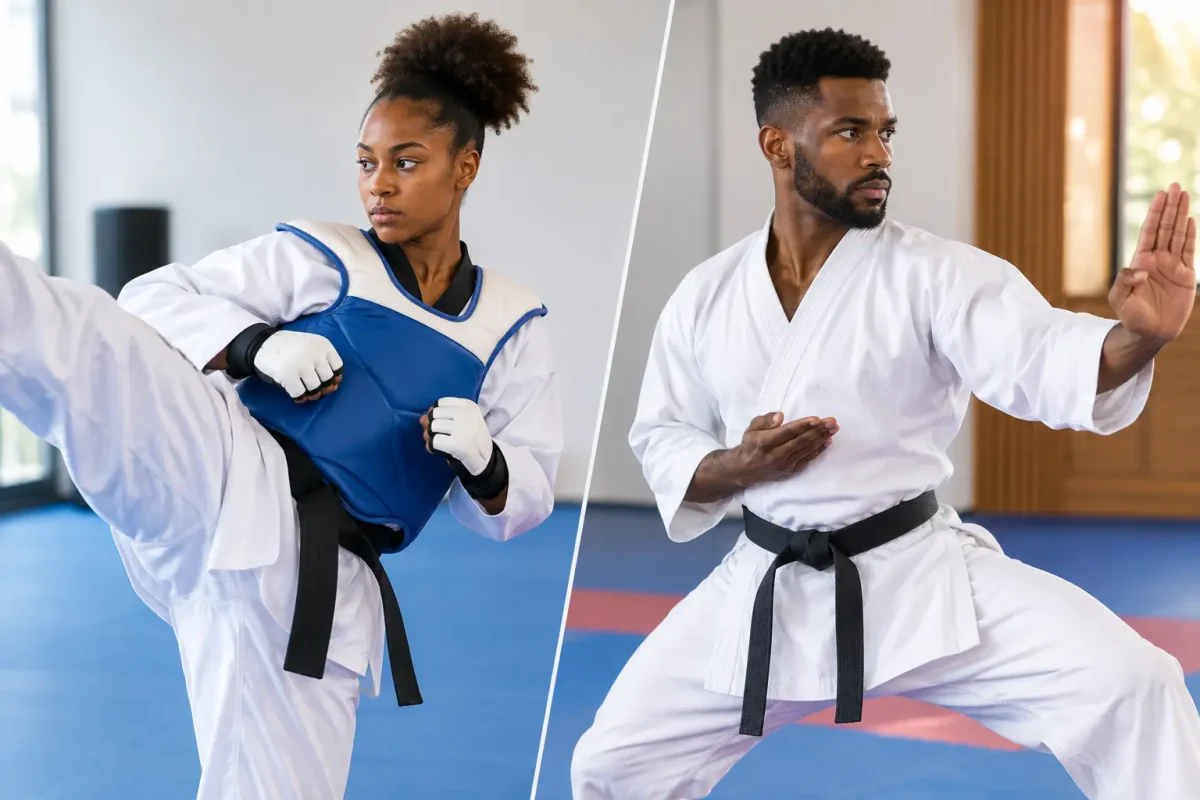
Yes, provided the beginner starts as a beginner. Most people don’t need to spar, take punches, or perform advanced combinations to benefit from boxing training. Pad work, bag work, footwork drills, shadowboxing, strength conditioning, and carefully paced cardio can deliver a demanding session without the contact risks associated with competitive boxing.
The early goal isn’t to hit as hard as possible. It’s to learn stance, balance, breathing, guard position, and control. These foundations protect the wrists, shoulders, knees, and lower back while making every movement more efficient. A person who can stay relaxed, keep their hands aligned, and move with awareness will usually progress faster than someone trying to prove toughness on day one.
For adults returning to exercise, boxing can be especially valuable because it gives fitness a purpose. You aren’t just counting repetitions. You’re learning a skill, responding to coaching, and building focus under pressure. For people managing anxiety, low mood, ADHD, or high stress, that structure can create a powerful outlet - but the session still needs to match their current capacity.
The biggest safety difference: fitness boxing versus sparring
Not all boxing workouts carry the same level of risk. Non-contact boxing fitness training and controlled sparring aren’t interchangeable.
Fitness-focused boxing uses drills, bags, pads, movement, and conditioning to develop skill and fitness. There’s a risk of ordinary training injuries, such as a strained shoulder, sore wrist, or overworked calf, particularly when form or recovery is poor. These risks can be reduced significantly through proper coaching, hand wraps, suitable gloves, progressive loading, and sensible rest.
Sparring involves deliberate contact with another person. Even when participants wear headgear and large gloves, head impacts remain a serious consideration. Headgear can reduce cuts and soften some impact, but it doesn’t make repeated blows to the head harmless. Sparring should never be treated as a compulsory rite of passage, especially for children, beginners, or anyone training mainly for health and fitness.
A responsible academy makes this distinction clear. Technical drills can build composure and confidence without placing members in situations they aren’t ready for. If sparring is offered, it should be optional, supervised, matched carefully, and governed by clear rules. No ego battles. No uncontrolled exchanges. No reward for ignoring warning signs.
Good coaching makes boxing safer
Safety isn’t created by gloves alone. It’s built into the culture of the class.
A qualified coach watches the details that members often miss: a beginner locking out their elbow on the bag, a shoulder creeping towards the ear, a child becoming overwhelmed by noise and fast instructions, or an adult pushing through dizziness because they don’t want to stop. Those moments are where injury prevention begins.
At Edson Breedy Athletics, the doctor-designed approach matters because training isn’t separated from the nervous system. Some members need challenge to release pressure and build confidence. Others need a calmer entry point, clearer instructions, more predictable routines, or a lower-stimulation space before they can train consistently. Neither need is weakness. Both are coaching information.
The safest classes have a clear rhythm: preparation, skill practice, controlled intensity, and recovery. Warm-ups should prepare the joints and nervous system for the movements ahead, not exhaust everyone before the main work begins. Coaches should demonstrate technique, correct it early, and offer progressions so that each person has an appropriate level of challenge.
Technique protects more than your hands
Many avoidable boxing injuries begin with poor alignment. A punch should travel through a stable wrist and a correctly positioned fist. The force should be supported by the shoulder, trunk, hips, and feet - not dumped into the small joints of the hand.
This is why hand wraps and gloves matter, but equipment can’t rescue poor mechanics. If you’re repeatedly striking a bag with bent wrists, flared elbows, or excessive tension, discomfort will eventually become a warning. Stop, reset, and ask for correction. Pushing through sharp pain isn’t mental toughness. It’s poor decision-making.
Footwork is equally important. Beginners often focus entirely on their hands, then twist awkwardly through the knee or overreach with the lower back. Boxing is a whole-body skill. Learning to maintain balance, pivot safely, and keep a stable base protects the lower body while improving speed and power.
Don’t chase maximum force too early. Start at a pace where you can breathe, think, and retain form. Power is a product of timing and connection. It’s built over weeks and months, not forced in one exhausting class.
Children and teens need structure, not pressure
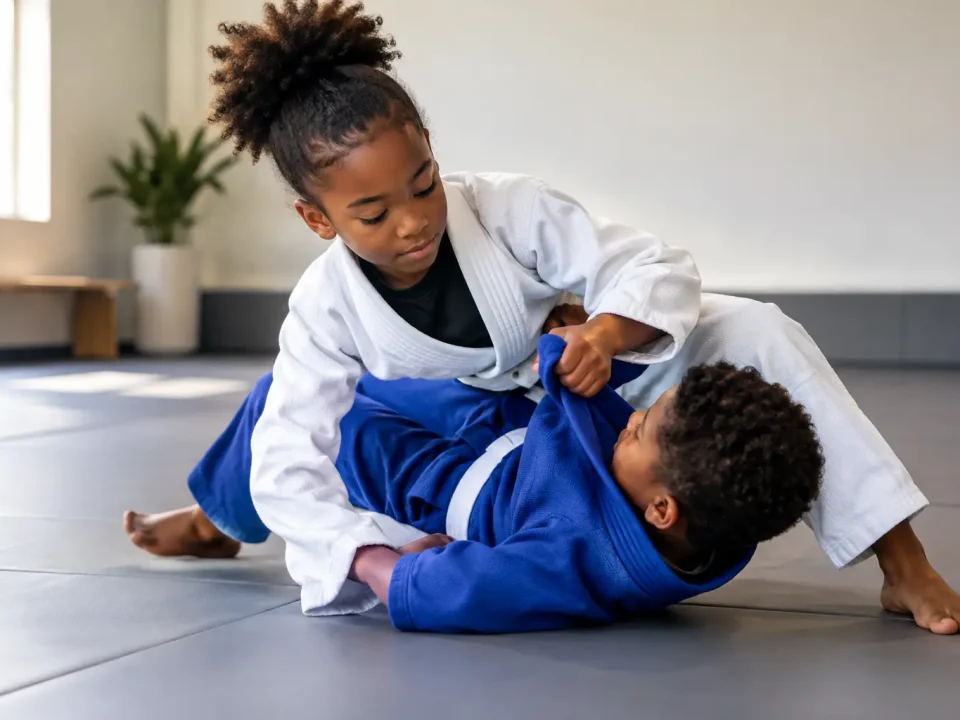
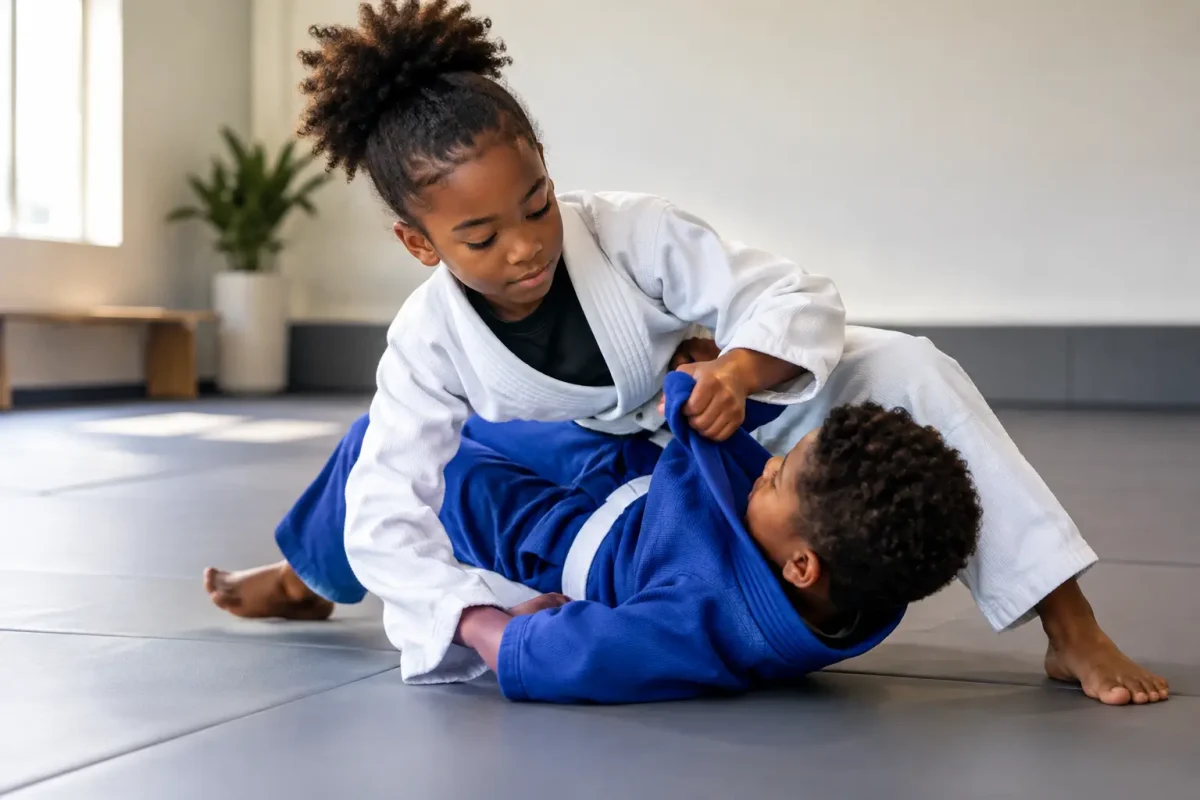
Boxing-inspired fitness can be excellent for young people. It develops coordination, self-control, physical literacy, confidence, and respect for boundaries. For a child who struggles to focus in unstructured environments, the simple pattern of stance, guard, movement, and response can be grounding.
However, children aren’t miniature adults. They need age-appropriate instruction, close supervision, and classes that prioritise skill development over hard contact. Training should help a child leave feeling capable, not frightened, ashamed, or physically battered.
Parents should look for coaches who set behavioural expectations clearly and correct conduct calmly. A safe environment doesn’t glorify aggression. It teaches control. Young people learn that strength includes listening, stopping when asked, respecting a partner, and managing frustration when a drill feels difficult.
For neurodivergent children, consistency can be as important as the exercise itself. Clear routines, direct cues, sensory awareness, and gradual exposure to new drills can make boxing training a positive part of emotional regulation rather than another overstimulating demand.
When to pause and get medical advice
Boxing workouts aren’t a substitute for individual medical guidance. If you’ve a known heart condition, uncontrolled blood pressure, a recent surgery, a significant joint injury, recurring fainting, or chest pain with exercise, speak with a qualified healthcare professional before beginning high-intensity training.
Stop training immediately if you experience chest pain, unusual shortness of breath, dizziness, blurred vision, confusion, sudden weakness, or a severe headache. After any blow to the head, symptoms such as headache, nausea, balance problems, light sensitivity, difficulty concentrating, or feeling unlike yourself need proper assessment. Don’t return to contact training because you feel pressured to keep up.
Pregnancy, postpartum recovery, arthritis, chronic pain, and previous injuries don’t automatically rule out boxing fitness. They do mean the plan may need adapting. Lower impact footwork, reduced bag force, shorter rounds, modified core work, and more recovery can keep training productive while respecting the body’s needs.
How to make your boxing workout safer from the first class
Arrive early enough to learn how to wrap your hands and fit your gloves correctly. Tell the coach about injuries, medical considerations, sensory needs, or anything that may affect your session. That information isn’t an excuse. It allows the coach to train you properly.
Keep your first few sessions controlled. Leave a little in the tank rather than trying to match the fittest person in the room. Hydrate, eat appropriately beforehand, and give your body time to recover between demanding sessions. Soreness can be normal when you’re new to training; sharp pain, swelling, numbness, or pain that worsens with movement isn’t.
Most of all, choose an environment where questions are welcomed. You should never feel mocked for asking how to throw a punch, requesting a lower-intensity option, or declining sparring. The strongest training communities are demanding without being careless.
Boxing is safe when it’s treated as a skill, not a punishment. Find coaching that respects your goals, your history, and your nervous system, then show up consistently. Confidence isn’t built by surviving chaos. It’s built by learning that you can meet a challenge with control.
Train your mind. Build your body.
Your first week is just TTD $50, every discipline, every class, no experience needed. Come find out what training with EBA feels like.