Fitness Classes for ADHD That Build Real Focus
July 16, 2026
Exercise for Depression Support That Builds You Back
July 18, 2026
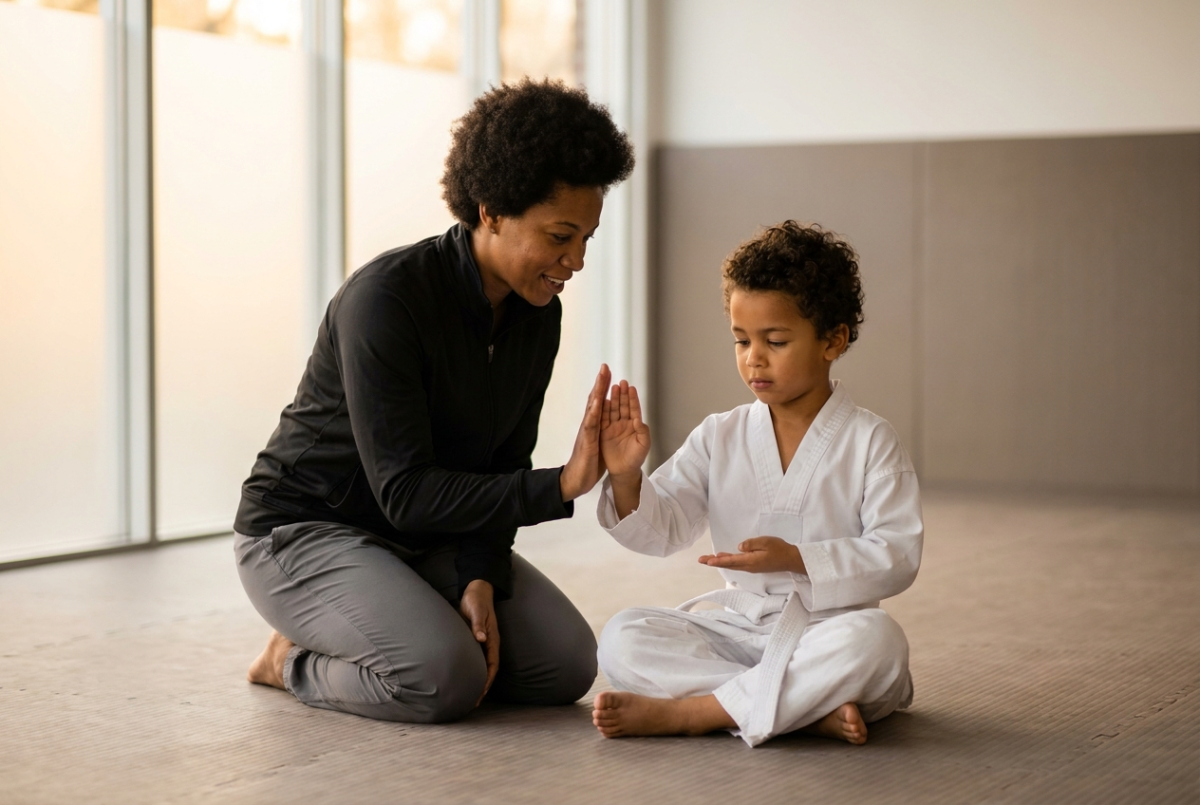
A busy martial arts floor can be energising for one person and overwhelming for another. The difference is rarely a lack of ability or willingness. It’s whether the environment gives the nervous system enough predictability, safety and support to learn. That’s what autism friendly martial arts should provide: real training, taught with structure and respect for the individual.
For many autistic children, teens and adults, martial arts can become more than an after-school activity or a workout. It can be a reliable place to practise movement, boundaries, focus and recovery from stress. But the right fit matters. A uniform, a belt system and a loud room don’t automatically make a programme supportive.
What Autism Friendly Martial Arts Should Look Like
Autism-friendly doesn’t mean lowering standards or treating someone as fragile. It means removing unnecessary barriers so the student can access the standards. The goal isn’t to make training effortless. It’s to make expectations clear enough that effort leads somewhere.
A well-run class usually follows a consistent rhythm. Students know how they enter the space, where they stand, when instruction happens, what drills come next and how class ends. That routine reduces the mental load of guessing. When the brain isn’t working overtime to predict the next transition, more attention is available for balance, technique and listening.
Clear coaching also matters. One instruction at a time is often more useful than a long explanation. A coach may demonstrate the movement, use simple cues, allow a few repetitions, then offer specific feedback. “Turn your hip” is more actionable than “make it better.” The best coaches adjust their communication without talking down to the student.
Sensory needs deserve the same practical attention. Some trainees may find shouting, music, echoing rooms, physical contact or certain uniform fabrics difficult. Others may seek more movement and pressure. Neither response is a character flaw. A thoughtful academy plans for options: a quieter area for a reset, advance notice before partner drills, permission to use ear defenders where appropriate, and gradual exposure rather than forced tolerance.
Why Structure Can Support Confidence
Confidence isn’t built through praise alone. It grows when a person repeatedly meets a clear challenge and can see evidence of improvement.
Martial arts offers that evidence in a concrete form. A student who once struggled to stand in line may learn the opening routine. Someone who avoided partner work may begin by holding pads for thirty seconds, then progress to a controlled drill. A trainee who feels uncoordinated may eventually execute a sequence they’ve practised for weeks. These aren’t small wins. They’re proof that practice changes capability.
The belt or grading system can be especially helpful when it’s explained properly. It gives progression a visible shape. However, it should never become a source of constant pressure or comparison. Some students need more time to settle, process a technique or demonstrate a skill consistently. Progress should be demanding, but it should also be honest and individual.
This is where discipline becomes supportive rather than punitive. Discipline is a predictable agreement: arrive, listen, practise, regulate, return. It teaches that difficult moments don’t have to end the session. They can be managed, adjusted and worked through.
The Nervous System Comes Before Performance
A student can’t learn efficiently while in a state of panic, shutdown or sensory overload. This isn’t an excuse to avoid challenge. It’s a coaching reality.
Good martial arts instruction recognises signs that a trainee may need a pause, clearer direction or less stimulation. Those signs can include covering ears, becoming unusually quiet, moving away from the group, repeated questioning, visible agitation or difficulty restarting after a transition. The response should be calm and matter-of-fact, not shaming.
A short reset can protect the entire session. That may mean getting water, standing at the edge of the mat, using a familiar breathing pattern, doing a simple repetitive movement, or watching the next drill before rejoining. The aim is regulation, then re-engagement. Leaving every difficult moment unresolved teaches avoidance; forcing a student through overwhelm teaches fear. Skilled coaching holds the middle ground.
Parents and adult trainees should also remember that regulation doesn’t always look quiet. Some people regulate through purposeful movement. Pad work, controlled kicking drills, grappling positions and strength exercises can provide strong physical feedback that helps a person feel more organised in their body. The activity must be supervised, technically sound and matched to the person’s needs, but movement can be a powerful tool.
Choosing the Right Class and Coach
The style matters less than the coaching environment. Taekwondo may suit a student who enjoys patterns, kicking and individual space. Boxing or kickboxing may appeal to someone who benefits from pad work and a direct outlet for energy. Jiu-jitsu can build body awareness and problem-solving, though close contact needs careful introduction and consent. Yoga and general fitness may offer a gentler entry point for students who first need familiarity with group movement.
Before enrolling, ask how the academy handles first sessions. A good trial should allow observation, questions and a gradual introduction. It shouldn’t demand that a new student immediately perform in front of everyone or cope with every part of the class on day one.
Look for four practical signs:
- Coaches explain routines and changes clearly.
- Students can take a brief, supported break without humiliation.
- Safety, consent and controlled contact are taught from the beginning.
- Progress is measured by skill, consistency and effort, not by who appears most outgoing.
Also ask whether the coach is willing to learn about the student. Parents can share useful information: preferred communication, sensory triggers, calming strategies, interests and what success would look like in the first month. Adults can do the same directly. This isn’t asking for special treatment. It’s giving the coach the information needed to coach well.
At Edson Breedy Athletics, the aim is to pair disciplined martial arts and fitness training with mental health-informed coaching, so members can train with challenge, clarity and respect.
Preparing for a Strong Start
The first few weeks should focus on familiarity, not perfection. Arrive a little early if possible. Let the student see the room before it fills, identify where they can put their belongings and meet the coach without the pressure of a full class watching. Agree on a simple plan for breaks before training begins.
Keep language around attendance steady. Rather than promising that every class will feel easy, reinforce the process: “We’ll go, practise what we can, and tell the coach if we need help.” This protects trust. Some sessions will be excellent. Others may be hard because of school stress, sleep, changes in routine or sensory overload. Consistency over time matters more than a perfect first class.
Avoid using martial arts as a threat or a cure. It can’t erase autism, nor should it try to. It can develop skills that support daily life: recognising body signals, following sequences, handling feedback, respecting boundaries and recovering after frustration. Those outcomes are meaningful precisely because they’re built through practice, not promised overnight.
For adults, the same principle applies. You don’t need to arrive already fit, sociable or fearless. You need a coach who can give you a clear starting point and a training environment worth returning to. Stop negotiating with yourself over whether you belong. Start with the next controlled repetition.
Give Progress Time to Become Real
The most useful question isn’t, “Did they enjoy every minute?” It’s, “Are they becoming more able to participate, recover and return?” Enjoyment matters, but durable growth often includes manageable discomfort.
A suitable programme will challenge a student without making distress the price of belonging. It’ll teach them that their needs can be communicated, that boundaries can be respected and that effort has value. Over time, the mat becomes a place where confidence is earned in visible, repeatable ways.
Choose a class that sees the person first, sets a standard they can work towards and gives them the structure to keep showing up. That’s where training begins to carry beyond the academy walls.
Train your mind. Build your body.
Your first week is just TTD $50, every discipline, every class, no experience needed. Come find out what training with EBA feels like.