The Future of Mental Health Fitness Coaching
October 20, 2026
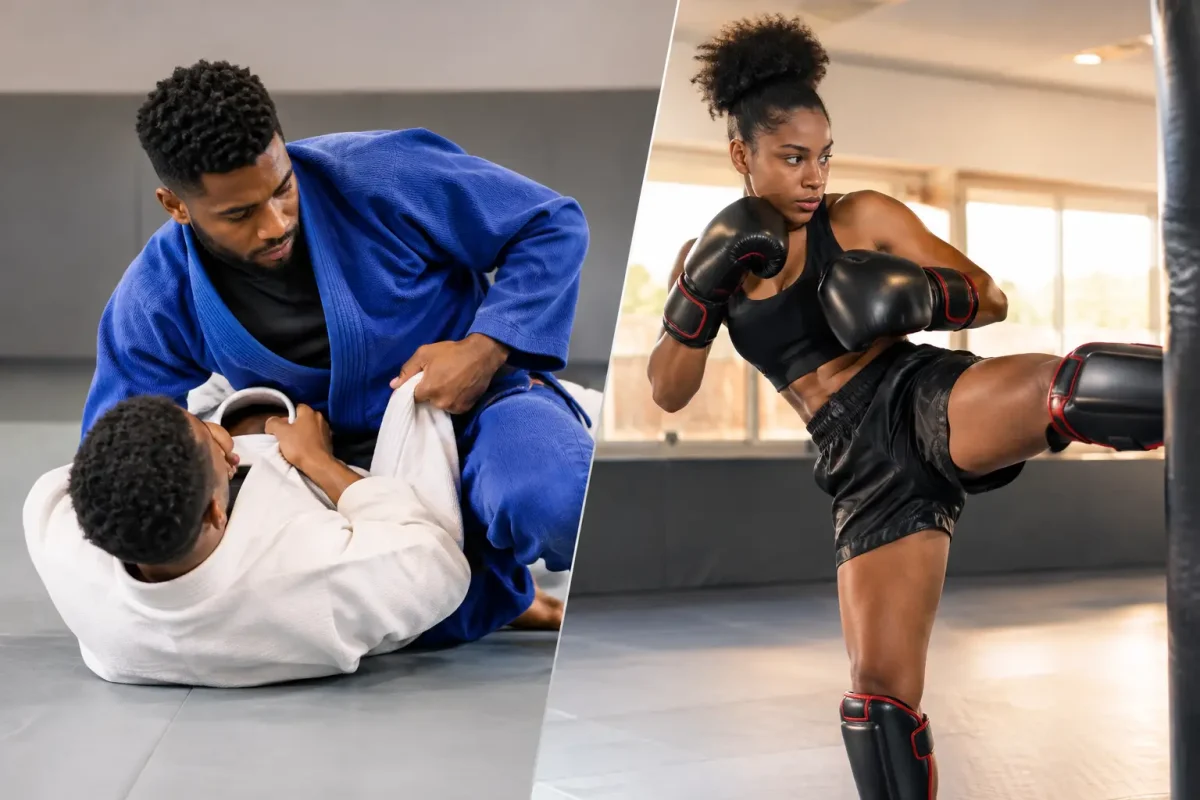
A hard round on the pads and a demanding round on the mats can both leave you breathless. But jiu jitsu versus kickboxing isn’t simply a question of which burns more calories or looks more impressive. It’s a decision about how you want to build confidence, handle pressure, move your body, and show up for yourself when motivation disappears.
For some people, the answer is clear after one class. Others need time to notice what their nervous system, goals, and daily reality are asking for. Neither art is superior in every situation. The right choice is the one you can train consistently, safely, and with purpose.
Jiu jitsu versus kickboxing: the core difference
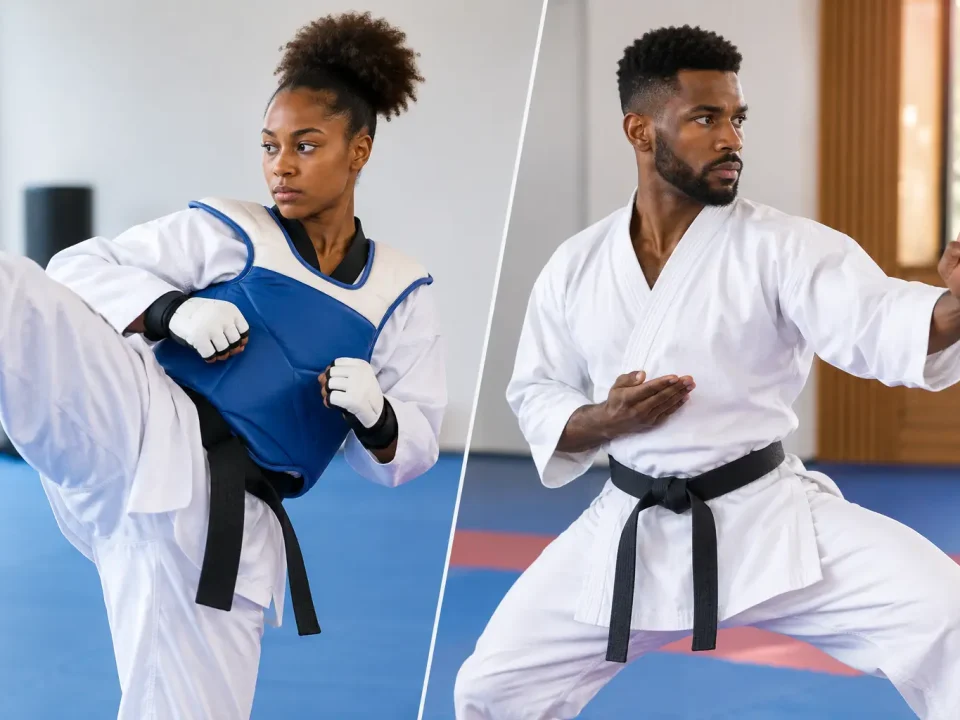
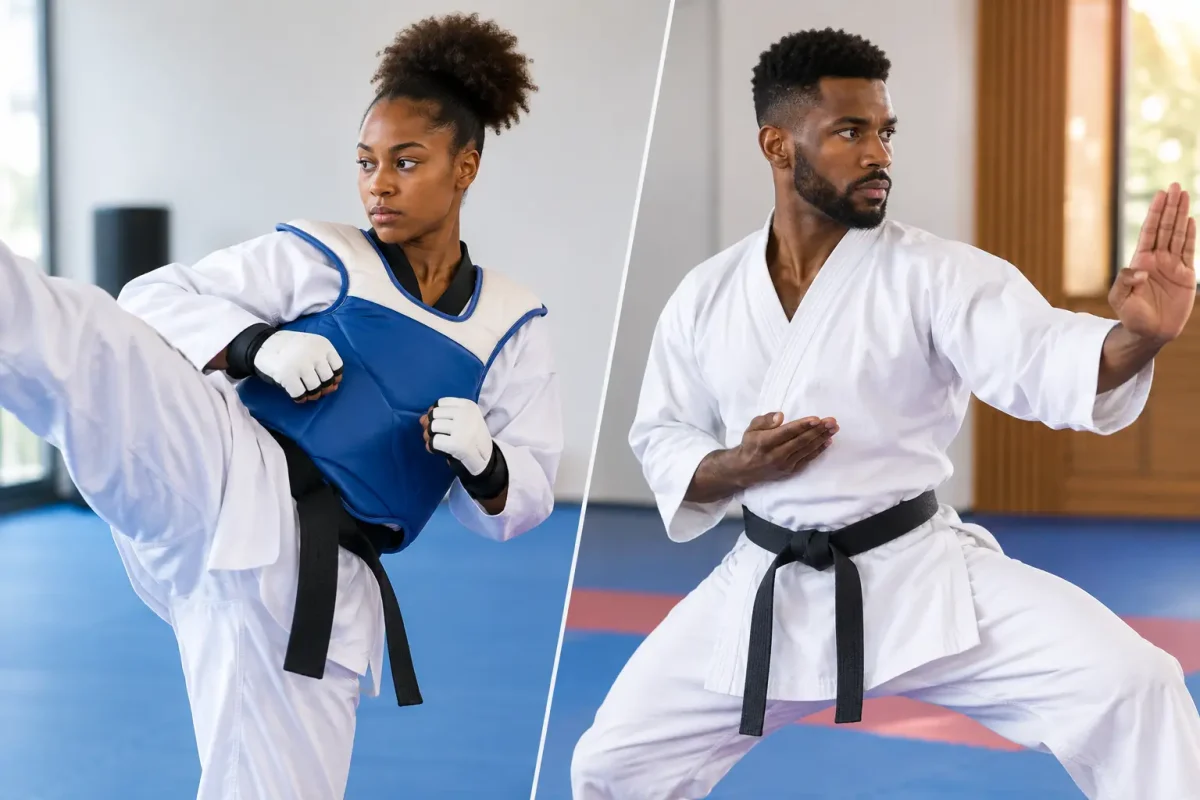
Kickboxing is a striking discipline. You learn to manage distance, footwork, timing, punches, kicks, knees, and defensive movement while standing. Training often includes pad work, bag work, partner drills, conditioning, and controlled sparring. It’s direct, rhythmic, and physically demanding.
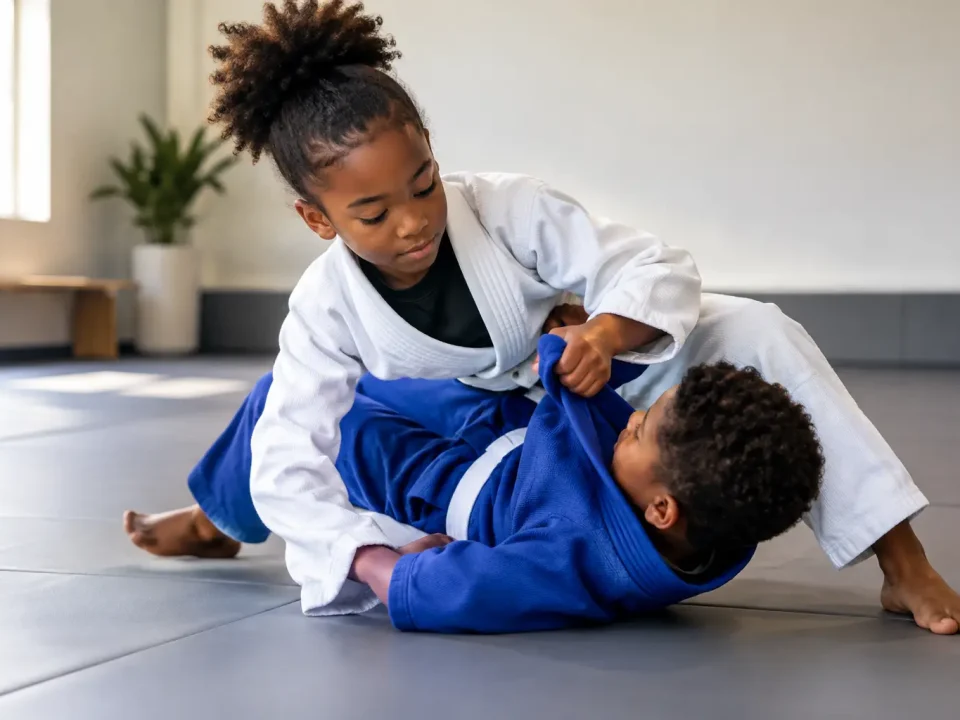
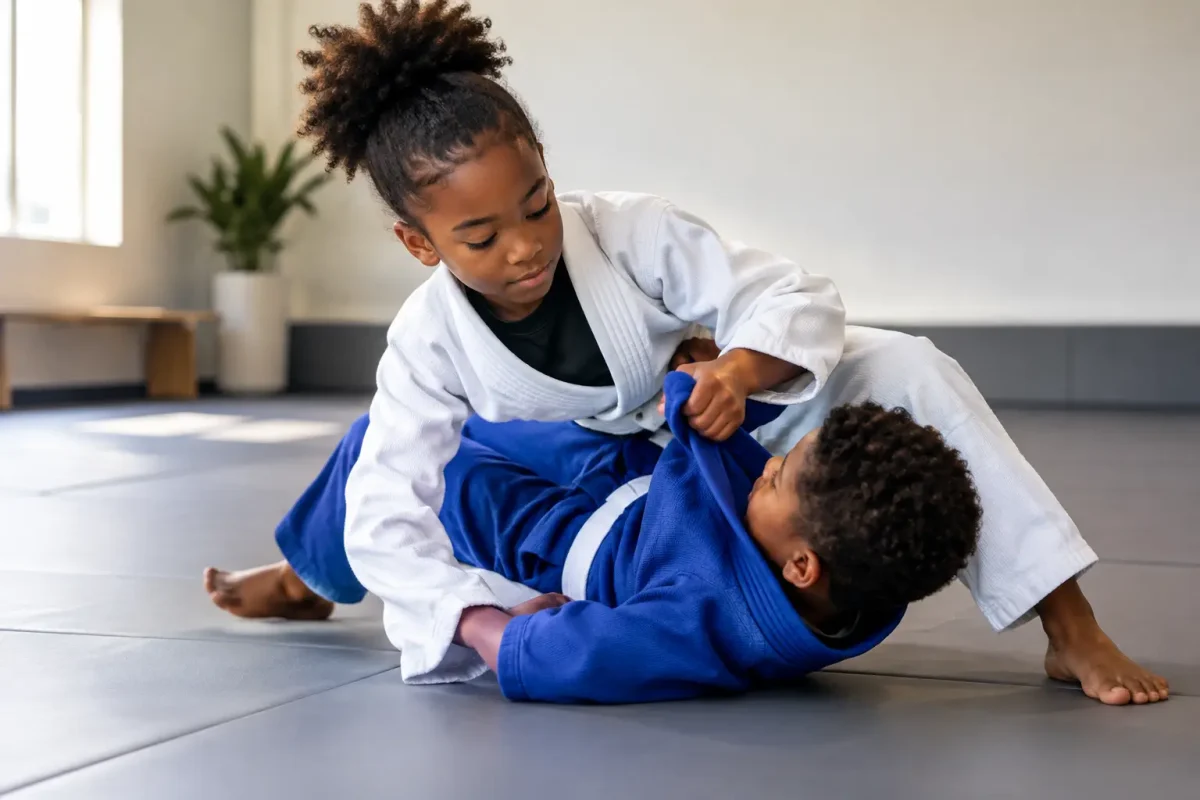
Jiu-jitsu, usually referring to Brazilian jiu-jitsu in this context, focuses on grappling. You learn how to control an opponent through position, balance, leverage, escapes, takedowns, and submissions. Much of the work happens at close range and on the ground. It rewards patience, technical problem-solving, and the ability to stay calm when another person is applying real pressure.
The difference changes the feeling of each session. Kickboxing can give immediate release. You hit the pads, raise your heart rate, sharpen your reactions, and leave with the physical evidence of effort. Jiu-jitsu can feel like a moving puzzle. You may spend an hour being caught in unfamiliar positions, then suddenly understand one small adjustment that changes everything.
Both require discipline. Both develop fitness. Both expose unhelpful habits under pressure. The route is different.
Choose kickboxing if you need movement and release
Kickboxing is often a strong fit for adults who want structured conditioning alongside practical striking skills. A good session demands coordination, mobility, stamina, and core control. You aren’t just throwing punches. You’re learning to breathe under exertion, keep your posture when tired, and make deliberate choices at speed.
For someone carrying work stress, frustration, or restless energy, pad work can be deeply regulating. There’s a clear target, a clear combination, and a clear job: focus on the next movement. That structure can interrupt rumination and bring attention back into the body.
It also tends to feel accessible at the beginning. Most beginners understand the basic purpose of a jab, cross, kick, guard, and stance quickly. Technical depth comes later, but you can work hard from your first class. This makes kickboxing appealing if your main goal is fitness, confidence, weight management, or a more energetic training outlet.
That said, intensity must be matched to the person. If you’re returning to exercise, managing anxiety, or learning how to read your own physical limits, the goal isn’t to prove toughness by exhausting yourself. Good coaching builds intensity progressively. Control first. Technique next. Conditioning follows.
Choose jiu-jitsu if you want composure under pressure
Jiu-jitsu asks a different question: what do you do when space disappears? It teaches you to manage discomfort without panicking, use technique rather than force, and solve problems one position at a time.
This can be especially powerful for people who feel physically smaller, who have relied on avoidance, or who want confidence that isn’t based on aggression. You learn that being underneath someone isn’t automatically defeat. You learn frames, escapes, posture, grips, and positioning. More importantly, you learn to think while your body is challenged.
That process has a strong mental component. In live, controlled sparring, you can’t rush every problem. If you tense up and fight everything at once, you tire quickly. When you breathe, identify the immediate threat, and apply a sound response, your options improve. That lesson carries beyond the mats.
Jiu-jitsu is also highly social. Training partners need to cooperate, communicate, and respect the tap. Beginners should expect close physical contact and a learning curve that can humble even athletic people. If that feels uncomfortable at first, it doesn’t mean you’re unsuited to the art. It means you’re learning a new environment with clear boundaries.
Which is better for self-defence?
The honest answer is that self-defence is context-dependent. Kickboxing gives you useful tools for managing distance, moving away, striking effectively, and staying balanced on your feet. Those are valuable skills because many confrontations begin standing up.
Jiu-jitsu gives you tools for clinch situations, falls, escapes, control, and getting up safely when a struggle goes to the ground. It can be particularly useful when the goal is to create space and leave, rather than trade blows.
Neither discipline should make someone reckless. The primary self-defence skill is awareness: recognise risk, avoid escalation, leave early, and seek help where possible. Martial arts training supports that judgement by making you less likely to freeze, but no class can guarantee safety in an unpredictable situation.
For the most rounded preparation, cross-training has real value. Learn to strike, learn to grapple, and learn when not to engage. But don’t use the idea of a perfect future plan to delay starting. One discipline practised consistently is more useful than two disciplines you keep postponing.
Fitness, stress regulation, and confidence
Kickboxing generally creates a more obvious cardiovascular demand in a single class. Rounds on pads, bags, and drills can improve endurance while strengthening the legs, shoulders, hips, and trunk. If you enjoy measurable exertion and the satisfaction of sweating hard, it can become a reliable fitness anchor.
Jiu-jitsu builds a different kind of engine. Grappling involves grip strength, pulling strength, hip mobility, body awareness, and repeated bursts of effort. It can be exhausting, but the intensity is often broken by technical instruction and partner exchanges. The physical gains are substantial, though they may feel less predictable than a bag-work session.
Mentally, both can support stress regulation when taught well. Kickboxing gives the nervous system an outlet through structured impact and movement. Jiu-jitsu develops tolerance for pressure, uncertainty, and close contact. For people with ADHD, anxiety, autism, or depression, the best fit depends on sensory preferences, social comfort, injury history, and what creates a sustainable sense of safety.
A neurodiversity-friendly coaching environment matters here. Clear expectations, predictable class structure, respectful partner matching, and permission to ask questions aren’t extras. They help people train consistently enough to experience real change.
What parents should consider for children and teens
Children don’t need adult-style intensity. They need coaching that teaches boundaries, listening, coordination, respect, and emotional control. Both kickboxing and jiu-jitsu can offer this when classes are age-appropriate and centred on skill development rather than intimidation.
Kickboxing may suit a child who enjoys movement, routines, and striking targets with control. Jiu-jitsu may appeal to a child who likes physical problem-solving and learning how to work calmly with a partner. In either case, look beyond the activity itself. Does the coach correct behaviour with respect? Is progression clear? Does your child leave more settled and capable, not just tired?
For teens, martial arts can become a healthy place to practise accountability. They learn that confidence is earned through attendance, repetition, and how they respond after a difficult round. Discipline over motivation isn’t a slogan. It’s a skill they can carry into school, relationships, and adulthood.
The best choice is the one you’ll return to
If you want striking, fast-paced conditioning, and a powerful release after a long day, begin with kickboxing. If you want close-range control, technical problem-solving, and a deeper practice of calm under pressure, begin with jiu-jitsu. If both interest you, try both before deciding.
At Edson Breedy Athletics, a trial week gives beginners space to experience different classes without having to guess from the outside. Pay attention to more than whether the session was hard. Notice whether the coaching was clear, whether you felt appropriately challenged, and whether you can picture yourself returning next week.
Your first class doesn’t need to prove anything. It only needs to begin the pattern. Show up, learn one useful skill, and return before your excuses get louder than your goals.
Train your mind. Build your body.
Your first week is just TTD $50, every discipline, every class, no experience needed. Come find out what training with EBA feels like.