How to Build Exercise Habits That Actually Last
September 2, 2026
An Autism Exercise Routine That Builds Confidence
September 6, 2026
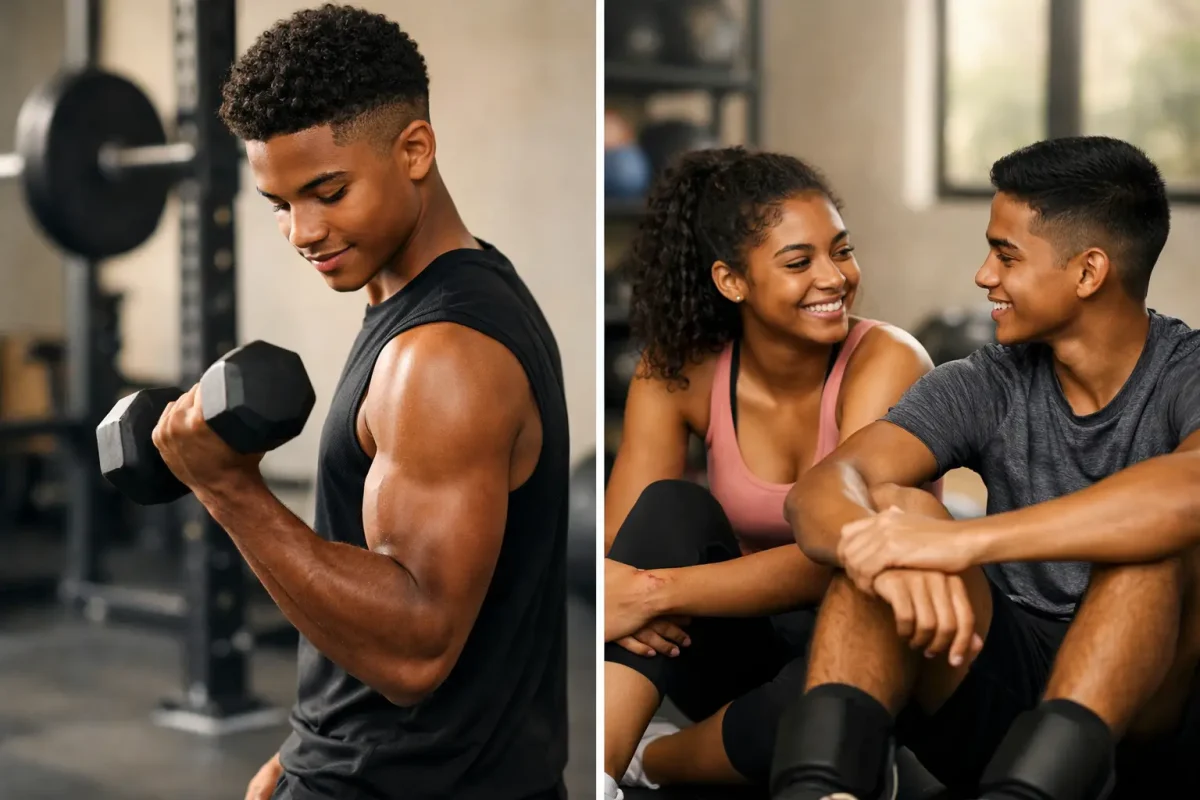
A young person doesn’t need to lift the heaviest weight in the room to become stronger. They need coaching, clear standards and repeated opportunities to discover what their body can do. This guide to youth strength training is for parents who want more than exercise for their child. Done well, strength training develops capable movement, confidence under pressure and the discipline to keep showing up.
The goal is never to turn a child into an adult athlete overnight. The goal is to build foundations that carry into sport, school, friendships and the harder moments of life. Discipline over motivation. Good coaching gives young people a structure they can rely on when motivation changes.
What youth strength training really means
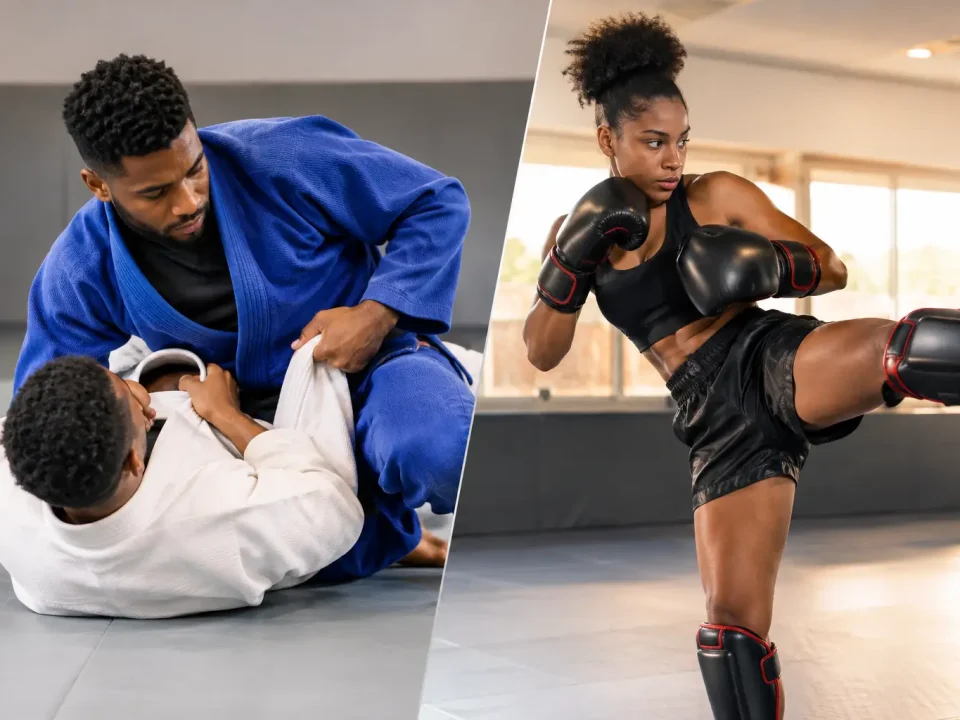
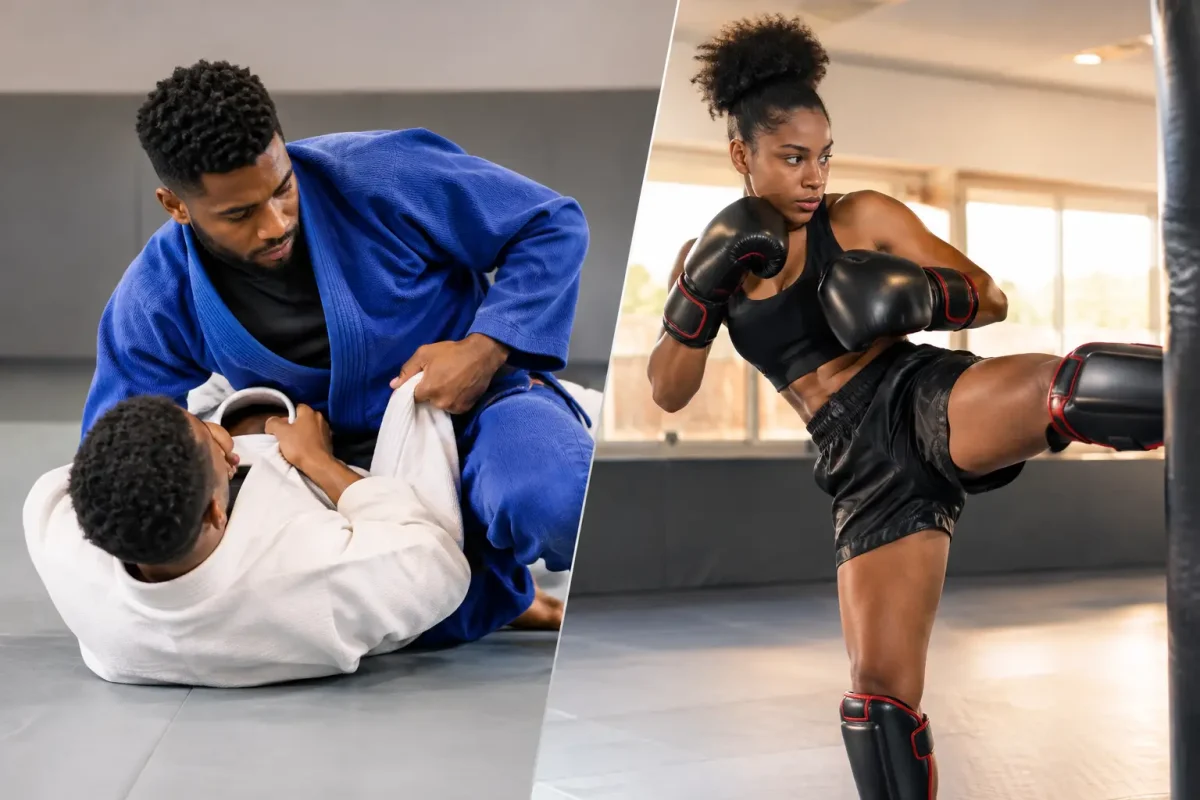
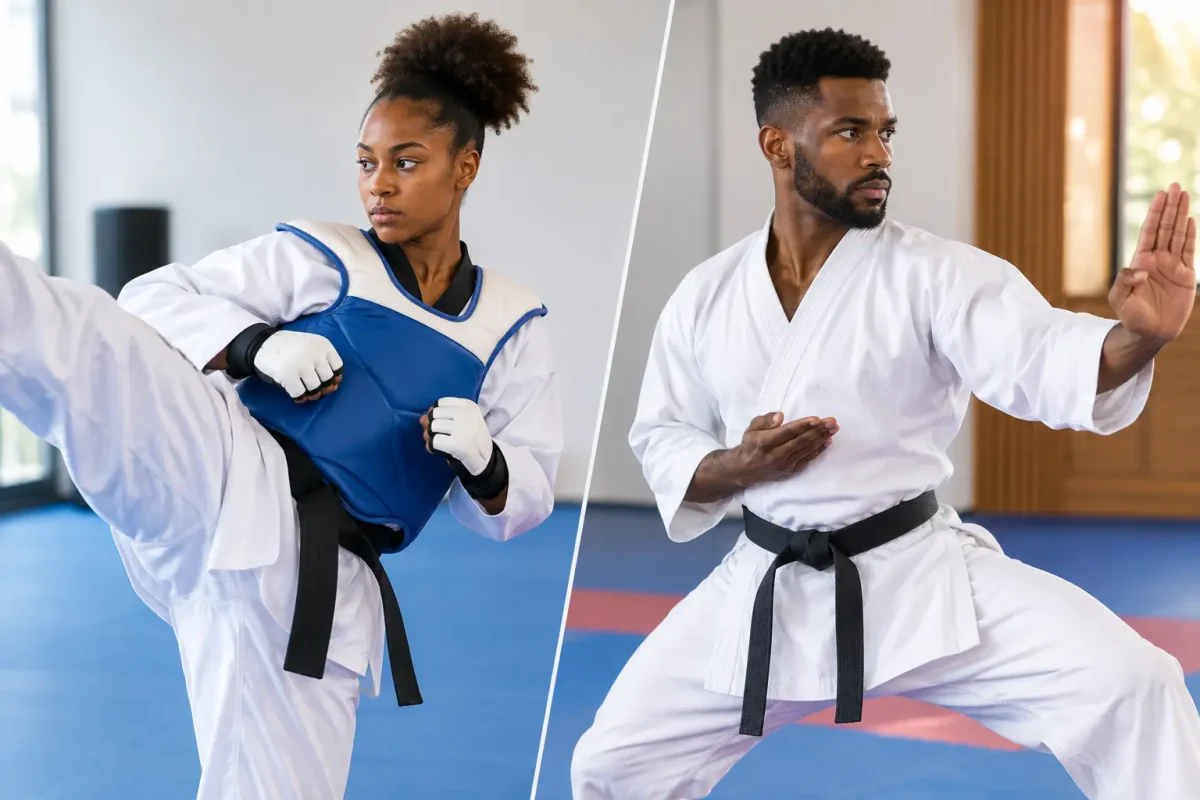
Youth strength training is age-appropriate resistance exercise designed to improve movement control, muscular strength, coordination and physical confidence. It may involve bodyweight movements, resistance bands, medicine balls, light free weights, controlled carries and carefully coached machines. Martial arts drills can also support strength when they teach balance, posture, bracing and coordinated force.
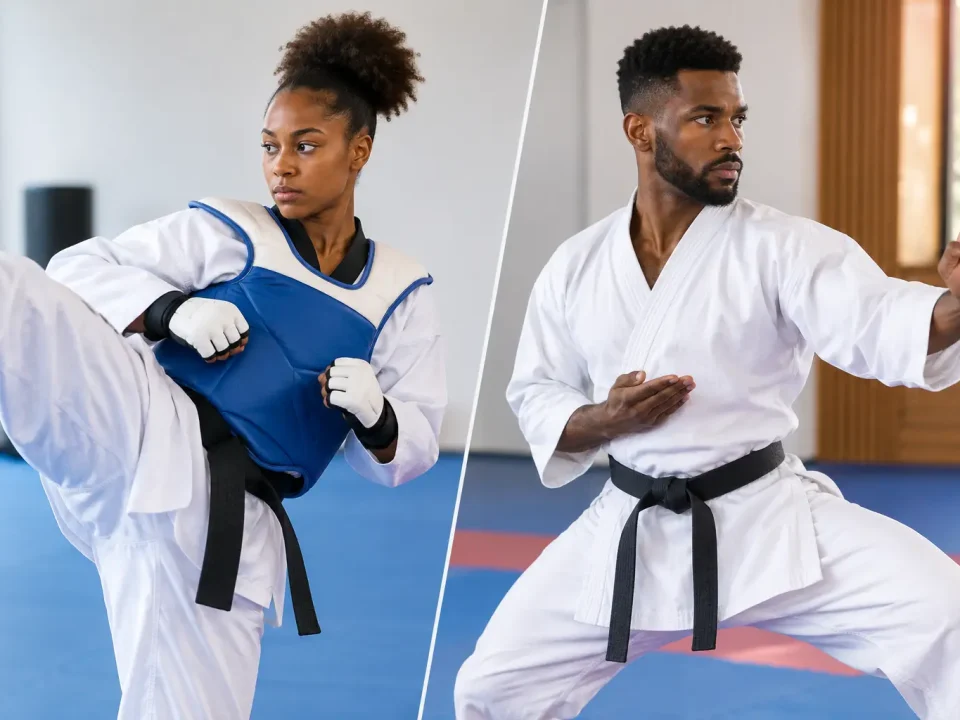
It isn’t simply a mini version of adult bodybuilding. Children and teenagers are growing, learning and developing at different rates. A 10-year-old who has never trained needs a different starting point from a 15-year-old who plays competitive football or practises Taekwondo several times a week.
The best programme meets the young person where they’re, then progresses with patience. That’s particularly important for children who are anxious, neurodivergent, returning after injury or uncomfortable in busy group settings. Challenge is useful. Overwhelm isn’t.
Is strength training safe for children and teens?
Yes, when it’s appropriately designed and supervised. The old claim that strength training automatically stunts growth has kept many families away from beneficial training. The real risks usually come from poor technique, rushed progression, inadequate supervision or a culture that rewards ego over control.
A well-run session teaches a young person how to hinge, squat, push, pull, land and carry safely. These are practical movement skills, not just gym exercises. Learning to brace the trunk before a lift, to keep the knees aligned during a landing and to stop when form breaks down can reduce risk in sport and everyday activity.
Safety isn’t achieved by avoiding all resistance. It’s achieved through standards. A coach should observe closely, give simple cues, select sensible loads and make sure each child understands that a repetition only counts when it’s controlled.
For young people with a medical condition, persistent pain, previous injury or a significant change in health, parents should seek appropriate clinical guidance before starting. Training around a limitation is often possible, but it should be planned rather than guessed.
Start with movement, not weight
The first question isn’t, How much can they lift? It’s, Can they move well enough to add resistance?
Before increasing load, young trainees should be able to control basic patterns: a bodyweight squat to a comfortable depth, a hip hinge without rounding the back, a stable push-up variation, a rowing movement, a supported lunge, a plank or carry, and a soft landing from a small jump. Perfection isn’t the requirement. Attention and repeatable control are.
This approach protects more than joints and muscles. It protects confidence. A child who is asked to perform beyond their current ability can quickly decide that training is embarrassing or that they aren’t athletic. A child who earns each progression learns a better lesson: effort creates evidence.
At Edson Breedy Athletics, that principle matters because physical training is never separated from mental development. A young person learns to pause, listen, regulate frustration and try again. Those are strength skills too.
Teach technique with simple cues
Young people rarely need a lecture on biomechanics. They need one useful instruction at a time. For a squat, that might be: sit between your feet and keep your chest proud. For a hinge: send your hips back and keep the object close. For a carry: stand tall, move slowly and own your space.
Too many cues can create confusion, especially for children with ADHD, autism or anxiety. Demonstrate the movement, let them practise it, then offer one correction. Consistency creates safety. Predictable routines can also help a nervous system settle before a challenge.
How often should young people train?
For most children and teens, two or three supervised strength sessions per week is enough to build meaningful progress. Sessions don’t need to be long. Thirty to 45 focused minutes can be more productive than an hour of distracted effort.
The right frequency depends on the whole week. A teenager who already has intense football training, martial arts classes and matches may need two shorter sessions focused on movement quality and recovery. A less active child may benefit from three enjoyable sessions that build routine and general physical literacy.
Rest is part of the programme, not a reward for finishing it. Muscles adapt during recovery, and young people also need time for school, sleep, family and unstructured play. Pushing hard every day doesn’t prove commitment. Intelligent training does.
Progress without pressure
Progression doesn’t always mean adding more weight. A child can progress by improving range of motion, moving with better balance, completing an extra controlled repetition, using a slightly firmer band, resting less between sets or staying focused for the entire session.
For teenagers with sound technique and consistent attendance, gradual load increases can be appropriate. The coach should still prioritise form, not personal records. Maximal lifting is rarely necessary for youth development, particularly in general fitness settings. The question isn’t whether a young person can force a heavier lift once. It’s whether the training choice supports their long-term development.
This is where parents should watch the culture around training. Healthy coaching celebrates effort, teaches accountability and corrects mistakes without humiliation. It doesn’t use shame, comparison or punishment as motivation.
Strength training and emotional regulation
Physical training can be a powerful outlet, but it isn’t a substitute for professional mental health care when that care is needed. Its value lies in the steady practice of regulation.
A demanding set may raise the heart rate and create discomfort. With a capable coach nearby, the young person learns to breathe, recover, follow instructions and return to the task. Over time, they gain familiarity with manageable stress. That can build confidence in their ability to handle challenge rather than avoid it.
For a child who struggles with focus, a clearly structured session gives immediate feedback: feet placed, posture set, repetition completed. For a teenager dealing with anxiety, training can create a reliable routine and a concrete sense of progress. For many young people, the gym or martial arts floor becomes a place where they aren’t judged by labels. They’re coached as capable individuals.
That doesn’t mean every session will feel easy or enjoyable. Some days a young person will be distracted, tired or reluctant. The lesson isn’t to ignore how they feel. It’s to learn how to act constructively despite fluctuating feelings.
What parents should look for in a coach
Choose a coach who understands child development, not just exercise selection. They should be able to explain how sessions are adapted by age, experience and individual needs. They should supervise actively rather than handing children a worksheet and looking away.
Ask how progress is measured. A strong answer will include movement quality, attendance, confidence, coordination and habits, not just the weight on a bar. Ask how the coach handles fear, frustration and behaviour challenges. Young people need firm boundaries, but they also need adults who can tell the difference between defiance, overload and uncertainty.
A good programme has a clear structure: warm-up, skill practice, appropriate strength work and a calm finish. It also has room for human variation. The most effective coaches keep standards high while adjusting the route to meet the child.
A stronger future is built one session at a time
Youth strength training works because it gives young people proof that they can learn difficult things. The first stable squat, the first controlled push-up and the first time they choose to try again after getting it wrong all matter. Give them a safe place to practise effort, and they’ll carry that strength far beyond training.
Train your mind. Build your body.
Your first week is just TTD $50, every discipline, every class, no experience needed. Come find out what training with EBA feels like.