Neuroscience Based Fitness Training for Resilience
August 1, 2026
Guide to Neurodiversity-Friendly Fitness Classes
August 5, 2026
A hard round on the pads can reveal more than fitness. It can show how you respond when your heart rate rises, when instructions come quickly, when you make a mistake, or when you feel like stopping. That’s where martial arts mental health becomes real: not as a slogan, but as a structured way to practise composure, attention and recovery under pressure.
For children, teens and adults, martial arts can be a powerful part of a wider mental wellbeing plan. It gives the body a job, gives the mind clear rules, and creates repeated opportunities to build evidence: I can stay with something difficult. I can learn. I can regulate. I can improve.
This doesn’t mean training replaces therapy, medical care or prescribed treatment. It does mean that the right training environment can support those things by giving people a reliable practice for stress regulation, confidence and connection.
Why martial arts mental health benefits go beyond exercise
Most exercise can improve mood. Movement changes state, releases physical tension and can make sleep easier. Martial arts adds something distinct: skill, structure and accountability.
You aren’t simply trying to burn calories for an hour. You’re learning a stance, a guard, a sequence, a controlled response. You receive feedback, adjust, repeat and measure progress over time. That process develops more than coordination. It trains patience with the learning curve.
The nervous system responds well to clear, predictable demands. In a well-coached class, participants know where to stand, what the goal is, when to work and when to recover. For someone whose day feels noisy, uncertain or emotionally draining, that structure can be deeply grounding.
There’s also a crucial difference between aggression and regulated intensity. Martial arts shouldn’t teach people to act out anger. It should teach them to notice activation, breathe through it, maintain control and make better decisions while under physical and mental pressure. The aim isn’t to become harder to reach emotionally. The aim is to become harder to knock off course.
Discipline gives the mind something solid to stand on
Motivation is unreliable. It changes with sleep, workload, mood, weather and the thousand small frustrations that fill a week. Discipline is the decision to follow the plan even when the feeling is absent.
That principle matters for mental health because consistency creates trust in yourself. Each class attended becomes a small vote for the person you’re becoming. You don’t need a perfect session. You need to show up, listen, practise and leave knowing you kept an agreement with yourself.
For adults managing work pressure, family responsibilities or low mood, this can interrupt the cycle of avoidance. Training provides a fixed point in the week. Instead of asking, “Do I feel ready?” the better question becomes, “What’s the next useful action?” Put on the uniform. Wrap your hands. Step onto the mat.
For young people, the lesson is just as valuable. They learn that confidence isn’t something granted by praise alone. It grows when effort is repeated, corrections are accepted and challenges are faced without quitting at the first sign of discomfort.
Confidence is built through evidence
Empty encouragement has limits. Telling someone they’re capable helps only if they’ve opportunities to prove it to themselves.
Martial arts creates those opportunities in manageable doses. A beginner who couldn’t remember a combination learns it. A child who struggled to wait their turn practises self-control. A nervous adult completes their first sparring drill with appropriate supervision. A student who once avoided eye contact begins leading warm-ups or helping a newer member.
These aren’t dramatic movie moments. They’re better: repeatable experiences that reshape identity. Confidence becomes less about feeling fearless and more about knowing you can act with care even when you feel nervous.
Stress regulation is a skill, not a personality trait
People often describe themselves as either calm or anxious, focused or distracted, confident or shy. In reality, regulation isn’t fixed. It’s a set of skills that can be practised.
Controlled training gives the body a safe dose of stress. Your breathing becomes heavier. Your attention narrows. You must respond to movement, sound and instruction. Then the round ends. You slow down, reset your posture, take a breath and begin again.
This work-rest rhythm matters. It teaches that activation isn’t automatically danger and that recovery can be intentional. Over time, trainees may become better at recognising early signs of overload: clenched shoulders, shallow breathing, rushing, frustration or mental fog. Recognition gives you a choice. You can pause, use the tools you’ve practised and return to the task with more control.
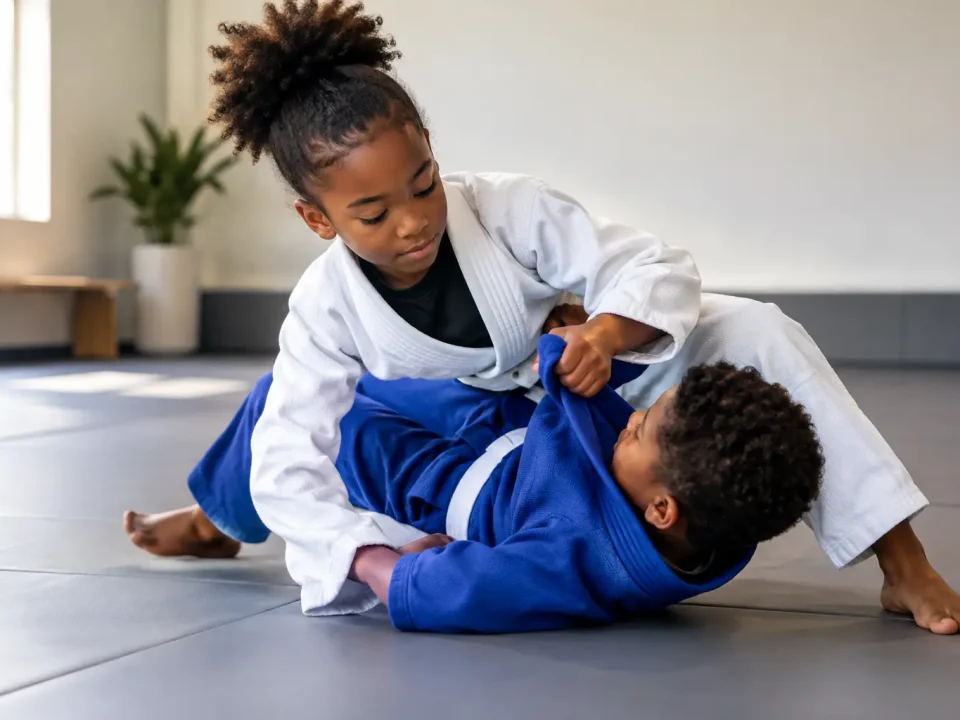
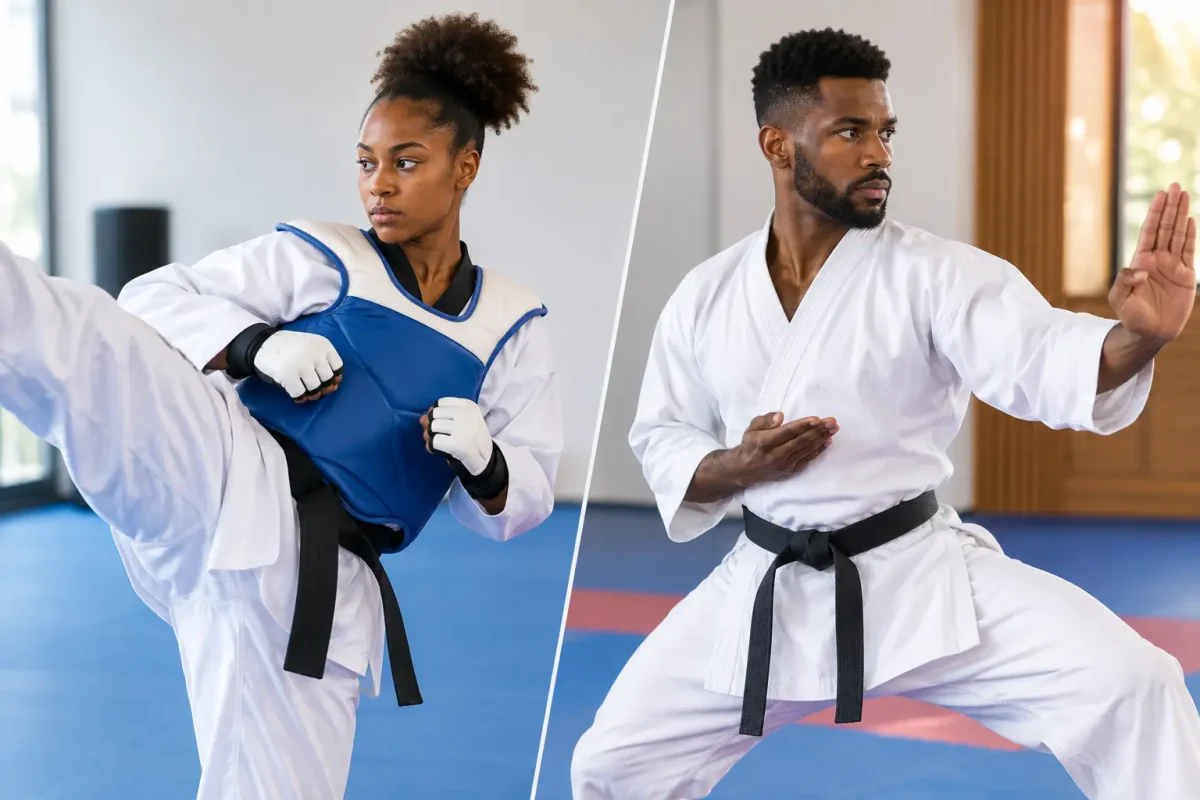
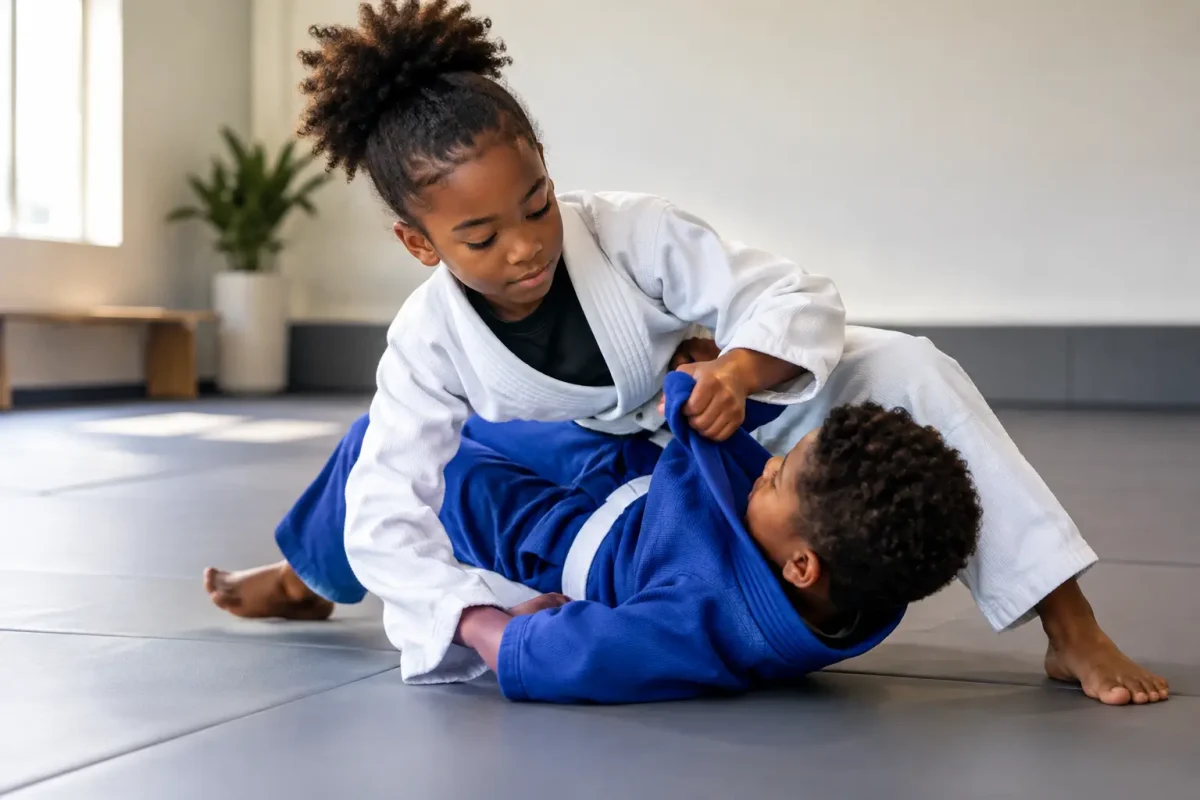
The approach must fit the person. High-intensity boxing drills may help one adult release tension, while another person may benefit more from the technical pace of Taekwondo patterns, the close problem-solving of jiu-jitsu, or the breath-led control of yoga. There’s no badge for choosing the most punishing option. The right challenge is one that develops capacity without repeatedly overwhelming the system.
A neurodiversity-friendly class changes the experience
For people with ADHD, autism, anxiety or depression, a poorly structured fitness setting can feel like another place where they’re expected to keep up without support. Loud instructions, unpredictable partner changes, public embarrassment or vague coaching can turn exercise into avoidance.
A mental health-informed martial arts environment takes a different approach. It uses clear routines, direct demonstrations, achievable progressions and coaching that corrects without humiliating. It makes room for different communication styles and recognises that focus doesn’t always look like stillness.
For a child with ADHD, the combination of movement, clear targets and immediate feedback can support engagement far better than being told to “pay attention” in the abstract. For an autistic trainee, predictable class structure and explicit expectations can reduce uncertainty. For someone living with anxiety, gradual exposure to challenge can rebuild a sense of agency. For someone experiencing depression, the shared commitment of a class may offer momentum on days when self-starting feels difficult.
None of this requires lowering standards. It requires intelligent standards. Good coaching meets people where they’re, then gives them a clear path forward.
What families should look for
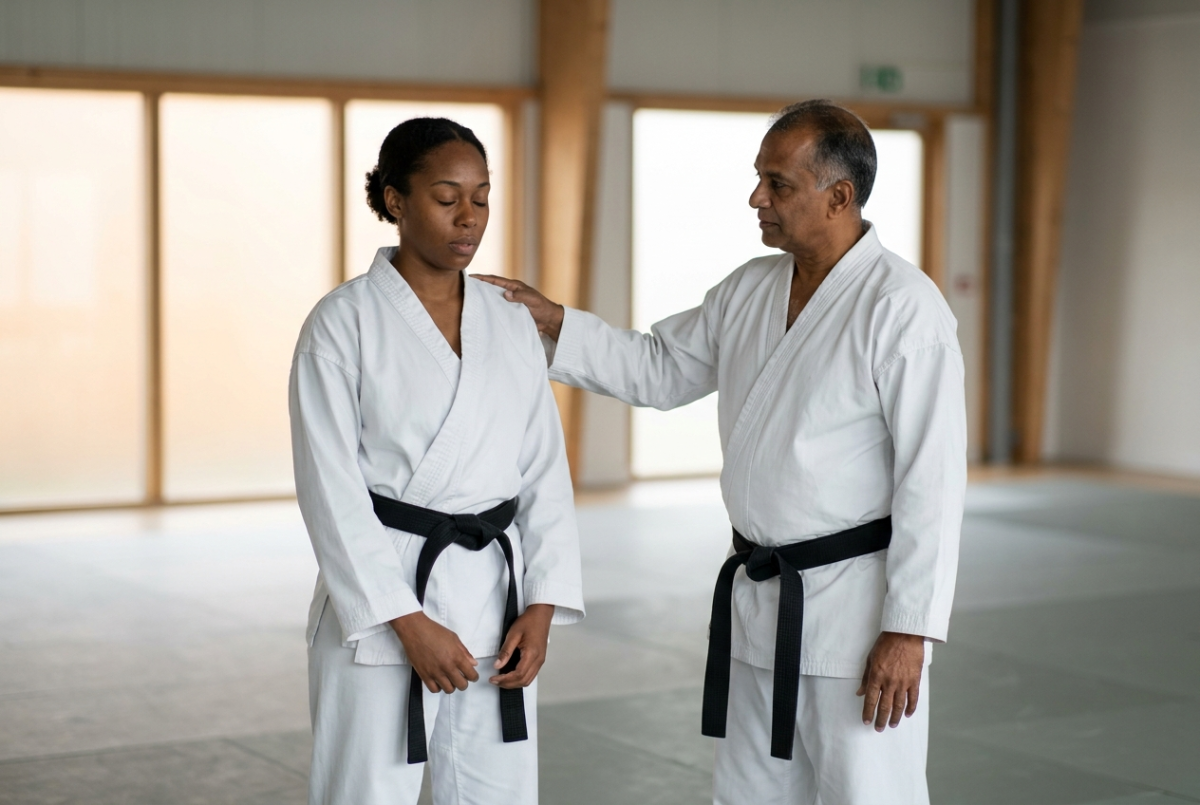
Parents shouldn’t have to choose between a serious martial arts programme and a caring one. The strongest programmes combine both. Look for coaches who can explain how discipline is taught, how correction is delivered and how a child is supported when they’re frustrated or dysregulated.
A quality class won’t promise that martial arts solves every behavioural or emotional challenge. It’ll offer consistency, boundaries, positive role models and meaningful progress. It’ll also communicate with families rather than treating parents as spectators.
At Edson Breedy Athletics, the training standard is built around this principle: develop capable bodies, but don’t neglect the mind directing them. That means intensity with purpose, structure with empathy and progression that respects the individual.
The community effect isn’t a small thing
Mental resilience is easier to build when people feel they belong. A martial arts academy can become one of the few places where children, teens and adults are known for their effort and growth rather than their job title, school result or diagnosis.
Training alongside others creates healthy accountability. Someone notices when you’ve improved. Someone expects you at the next session. You learn to receive instruction, encourage a partner and handle both winning and losing with respect. These social skills transfer far beyond the mat.
The culture matters, however. A hostile room can increase anxiety and reinforce shame. A disciplined room should be demanding without being demeaning. Beginners need to feel welcome, and experienced trainees need to be challenged. Those goals aren’t in conflict when coaches lead well.
Make training part of your mental health routine
Start with a realistic commitment. Two classes per week, attended consistently, will usually do more for confidence and regulation than an intense burst followed by a month away. Choose a discipline you can imagine practising long enough to become a beginner, then an intermediate student, then someone others can rely on.
Before class, take a moment to identify your state. Are you restless, flat, tense or scattered? After class, ask what changed. You may notice that your thoughts are quieter, your posture is different or your mood has lifted. Keeping that awareness turns training from another obligation into a personal regulation practice.
If you’re receiving mental health support, be open with qualified professionals about your training where appropriate. If certain drills, contact levels or environments trigger distress, tell your coach. A good programme can often adapt the pathway while preserving the purpose of the work.
You don’t need to wait until you feel confident, focused or fully prepared. Start with the next class, the next drill and the next controlled breath. Discipline over negotiation. With enough honest repetitions, the mind begins to believe what the body has been practising all along: you can meet pressure and remain yourself.
Train your mind. Build your body.
Your first week is just TTD $50, every discipline, every class, no experience needed. Come find out what training with EBA feels like.