Why Boxing for Stress Relief Actually Works
July 10, 2026
Confidence isn’t built by telling yourself you’re enough in the mirror. It’s built when your body learns, through repetition, that you can handle pressure, recover from mistakes and keep going when things feel hard. That’s why martial arts for confidence works so well. It doesn’t rely on hype. It trains proof into your nervous system.
For children, teens and adults alike, confidence often drops when life feels chaotic, criticism feels constant or the body stays stuck in stress mode. You start second-guessing yourself. You hesitate. You avoid challenge. The answer is rarely more motivation. The answer is structure. Discipline over mood. Training over overthinking.
Why martial arts builds real confidence
A lot of people confuse confidence with being loud, dominant or naturally fearless. That isn’t confidence. Real confidence is steadier than that. It’s the ability to stay composed, make decisions and trust yourself under pressure.
Martial arts develops this in a practical way. You learn a skill, you struggle with it, you improve, and your brain records that progress. Each session gives you evidence. You held your stance longer. You remembered the sequence. You sparred without panicking. You showed up on a day you wanted to stay home. Confidence grows because your actions become consistent.
This matters even more for people dealing with anxiety, ADHD, low mood or a history of feeling out of place in group environments. Empty encouragement can feel superficial. Structured training is different. It gives clear expectations, repeatable routines and measurable progress. That creates psychological safety. When people feel safe enough to try, they improve. When they improve, they believe in themselves more.
Martial arts for confidence isn’t about aggression
Some parents worry that martial arts will make their child more aggressive. Some adults worry they aren’t the type for combat sports. Both concerns are understandable, and both usually come from a misunderstanding of what good coaching looks like.
Proper martial arts training teaches control before force. You learn boundaries, respect, timing and restraint. The most confident students are rarely the most reckless. In fact, they’re often calmer because they no longer feel the need to prove themselves. Their body knows it can respond if needed, which reduces the panic that often sits underneath insecurity.
That same principle applies outside the gym. A child who learns to regulate emotion under pressure is often better equipped in the classroom. A teenager who builds discipline through training may cope better with social stress. An adult who learns to breathe, reset and stay present during hard rounds often brings that steadiness into work, parenting and relationships.
The nervous system piece people overlook
Confidence isn’t just a mindset. It’s also a nervous system state.
When your system is overloaded, confidence disappears quickly. Your heart rate climbs, your thoughts speed up and your body prepares for threat. In that state, even simple tasks can feel overwhelming. This is one reason many people know what they should do but still struggle to do it.
Martial arts can help regulate that response. Repetitive movement, controlled breathing, pad work, drilling and coached exposure to manageable stress all teach the body that intensity doesn’t always equal danger. Over time, this can improve stress tolerance. You stop reacting to every challenge as if it’s an emergency.
That doesn’t mean every class should be pushed to extremes. The right training environment matters. Intensity without structure can overwhelm people, especially beginners and neurodivergent students. But structured challenge, delivered well, can be transformative. You do hard things in a controlled setting, and your body learns that hard doesn’t mean impossible.
How confidence develops in children and teens
Children don’t become confident because adults keep praising them for everything. They become confident when they learn effort, responsibility and recovery. Martial arts gives them all three.
A good class teaches children how to listen, wait, move with intention and keep trying when a technique doesn’t work straight away. They start to connect behaviour with outcome. If they focus, they improve. If they practise, they progress. If they lose balance, they reset and try again. These aren’t just athletic lessons. They’re identity lessons.
For teenagers, martial arts can be especially powerful because adolescence often comes with self-consciousness, emotional swings and social pressure. Training gives them a place where progress is earned, not performed. They don’t need to win every round or look perfect. They need to stay coachable, consistent and disciplined. That can be life-changing for a young person who feels scattered or unsure of themselves.
For neurodivergent children and teens, the benefits often depend on the coaching approach. Predictable structure, clear instructions and a respectful environment can make training feel accessible rather than chaotic. When these students are understood instead of judged, confidence rises faster because they’re no longer spending all their energy masking or trying to fit into a system that doesn’t support them.
Why adults benefit too
Many adults assume confidence should have been sorted out by now. It hasn’t. Plenty of grown people are functioning well on the surface while privately negotiating with self-doubt every day.
Martial arts interrupts that pattern because it demands presence. You can’t spend the whole session in your head when someone is holding pads for you or asking you to move with precision. Training pulls you out of rumination and back into your body. That alone can be a relief.
Then there’s the deeper shift. Adults who train consistently often stop seeing themselves as fragile. They feel stronger, more coordinated and more capable. They become less intimidated by physical effort and more willing to face discomfort. That changes how they carry themselves. It changes how they speak. It changes what they believe they can handle.
There’s a trade-off, of course. Confidence through martial arts isn’t instant. It asks for consistency. Some sessions will feel brilliant. Others will feel messy. Progress is rarely linear. But that’s part of the point. You learn not to collapse emotionally every time performance fluctuates.
Which martial art is best for confidence?
It depends on the person, their temperament and what’s making their confidence feel unstable in the first place.
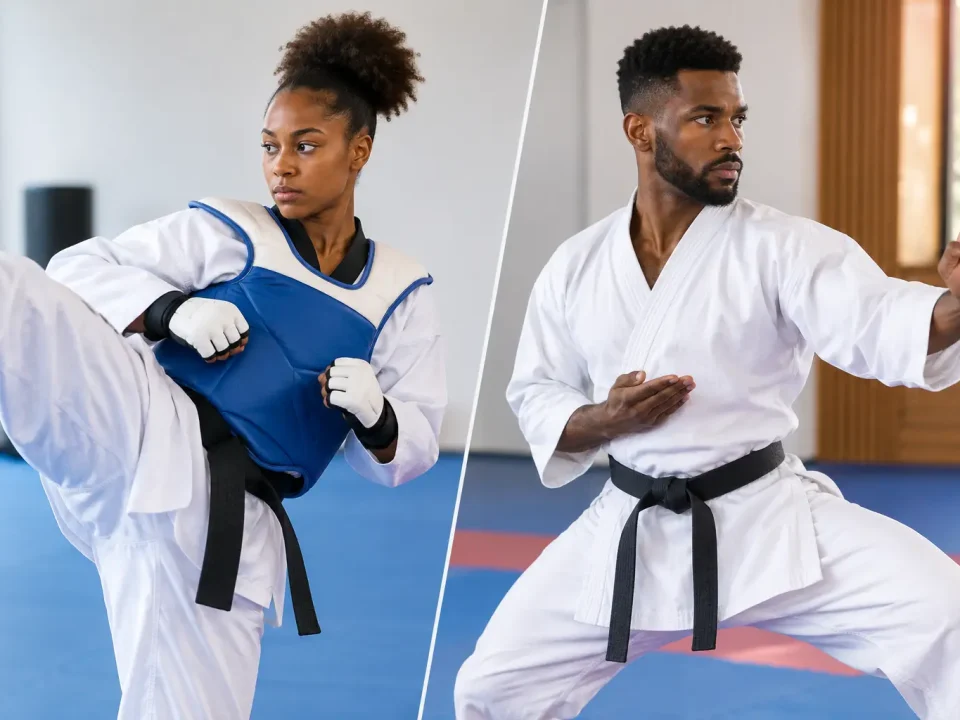
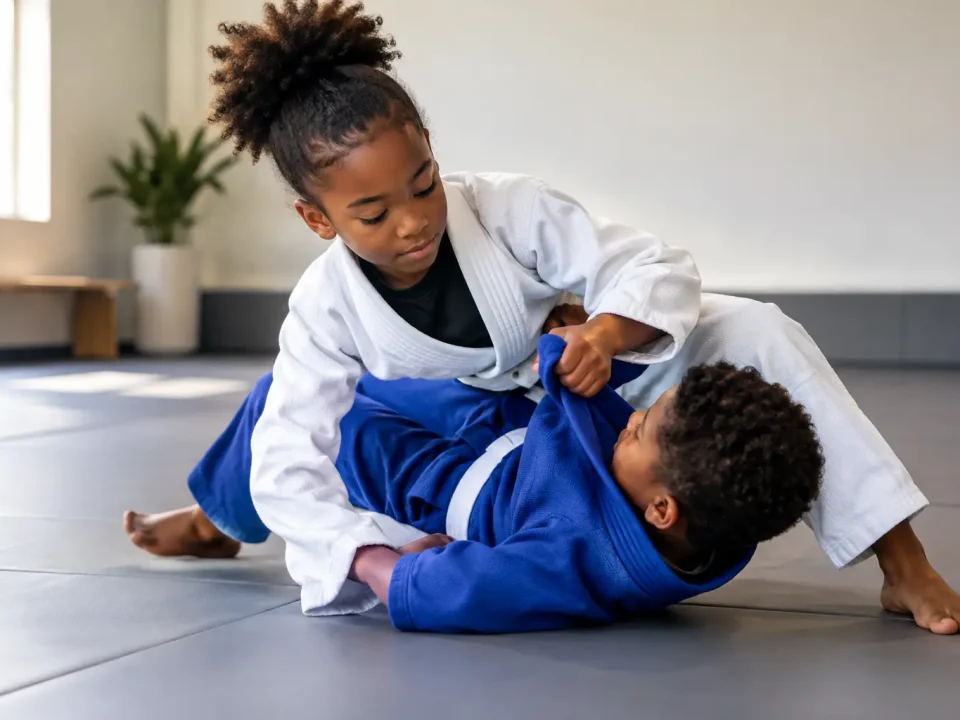
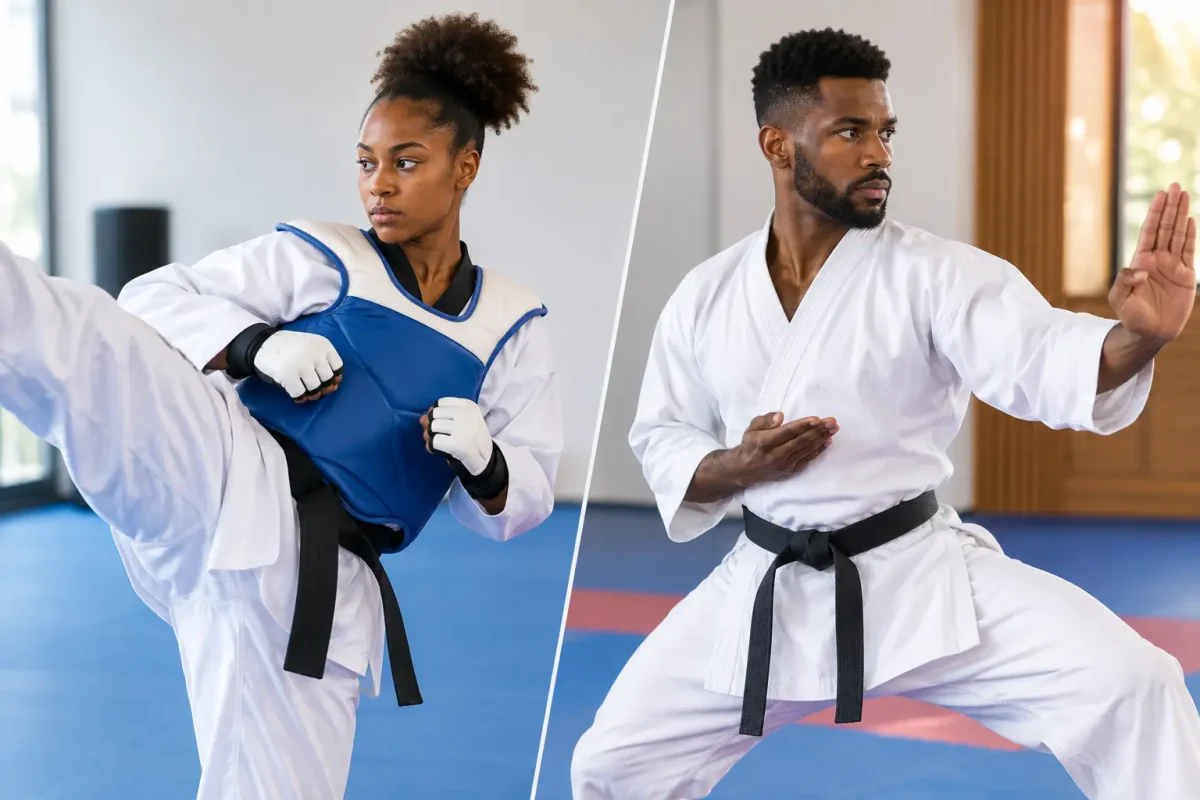
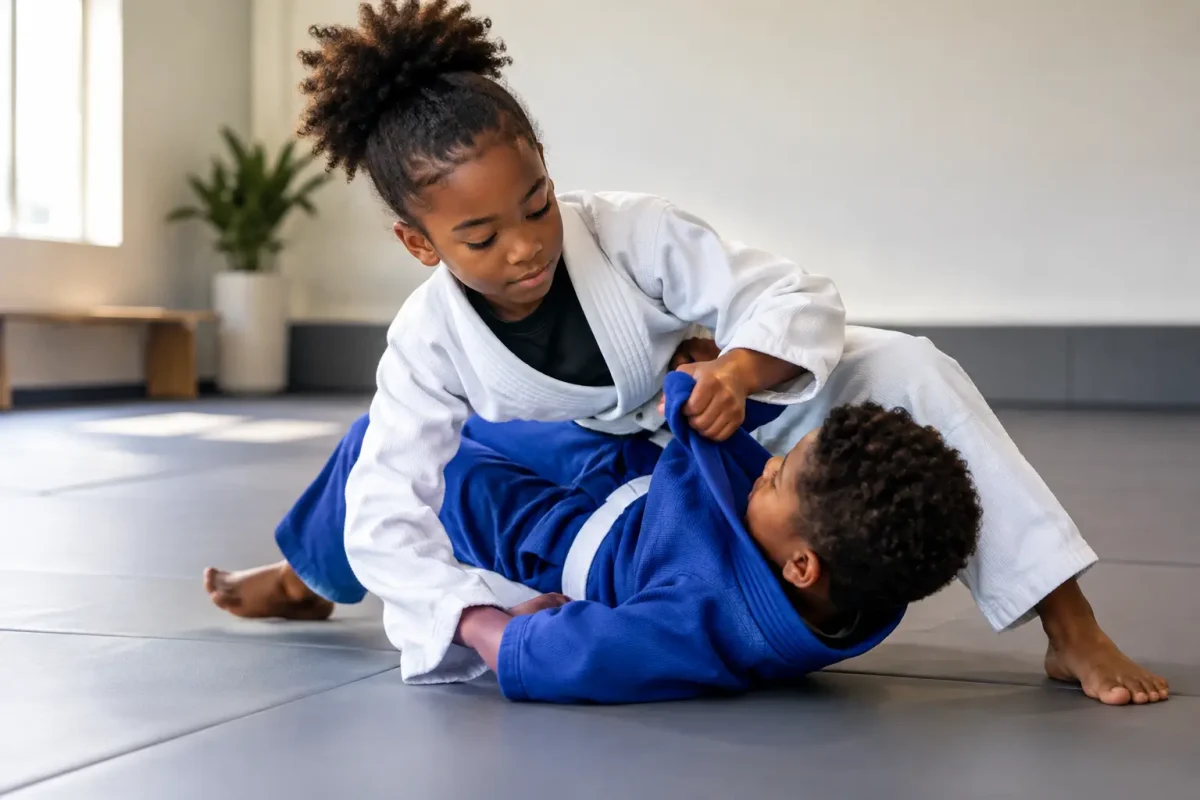
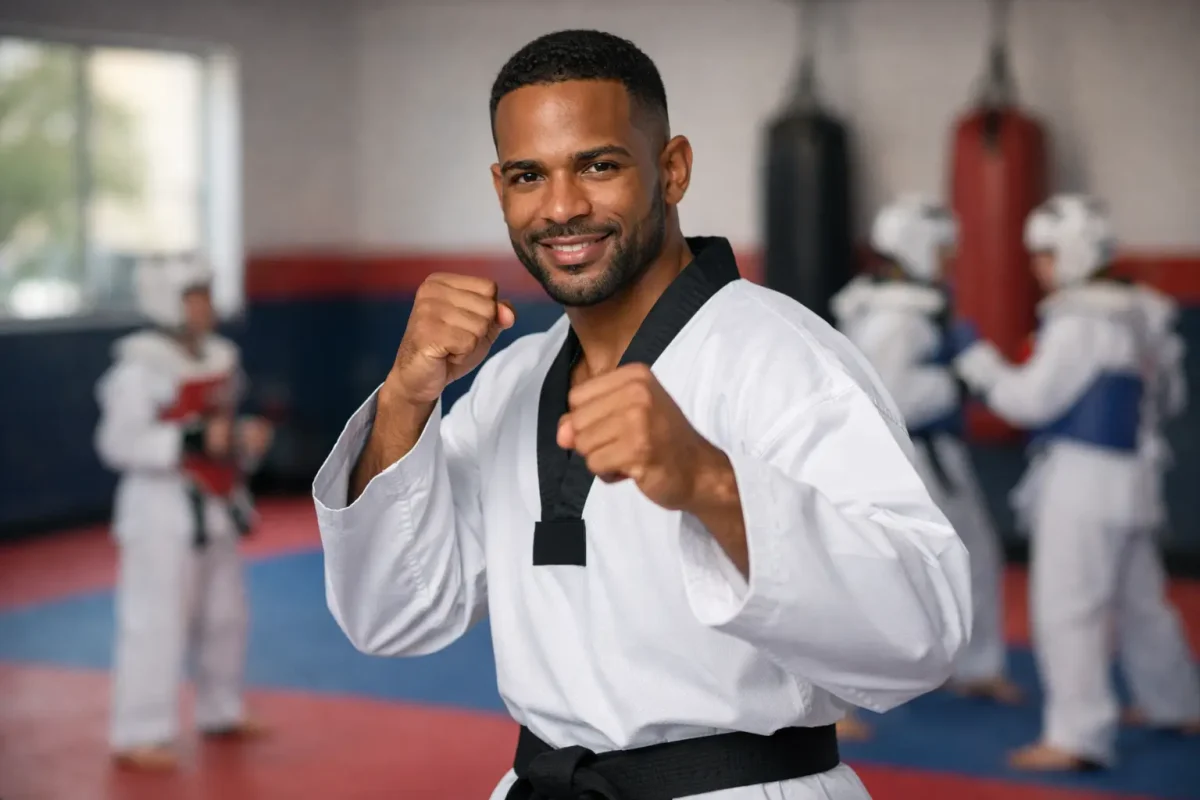
Taekwondo can be brilliant for discipline, focus and visible progression, especially for children and beginners who benefit from clear structure. Boxing and kickboxing often help people become more assertive and physically expressive, particularly if they’ve been holding tension, stress or hesitation in the body. Jiu-jitsu can build quiet confidence because it teaches problem-solving under pressure and shows smaller individuals that technique matters. Yoga, while not a martial art, supports the same goal from another angle by improving body awareness, breathing and regulation.
The best choice is usually the one a person can stick with. Confidence doesn’t come from the label of the class. It comes from repeated, meaningful practice in an environment that challenges you without breaking you down.
That’s why doctor-designed, psychologically informed coaching matters. At Edson Breedy Athletics, the aim isn’t just to make people fitter. It’s to help them build discipline, resilience and a stronger relationship with stress through structured training that respects both performance and mental wellbeing.
What to look for in a confidence-building class
If confidence is the goal, look beyond flashy marketing. Ask whether the coaching is structured. Ask whether beginners are supported. Ask whether the environment is respectful. Ask whether the training can be adapted for age, temperament and neurodiversity.
A good class should feel purposeful, not performative. You should leave challenged, but clearer. Tired, but more grounded. Over time, you should notice changes outside class too - better posture, better focus, fewer emotional spikes, less avoidance.
That’s how you know confidence is becoming real. It’s no longer something you try to act out. It’s something your habits are building.
Confidence isn’t given to you by a belt, a coach or a motivational speech. It’s earned in small moments - turning up, trying again, breathing through pressure, and discovering that you’re more capable than your fear suggested. Start there, and let the proof change you.
Train your mind. Build your body.
Your first week is just TTD $50, every discipline, every class, no experience needed. Come find out what training with EBA feels like.