Jiu Jitsu for Beginners in Your First Class
July 12, 2026
Kids Martial Arts Discipline Starts With Structure
July 14, 2026
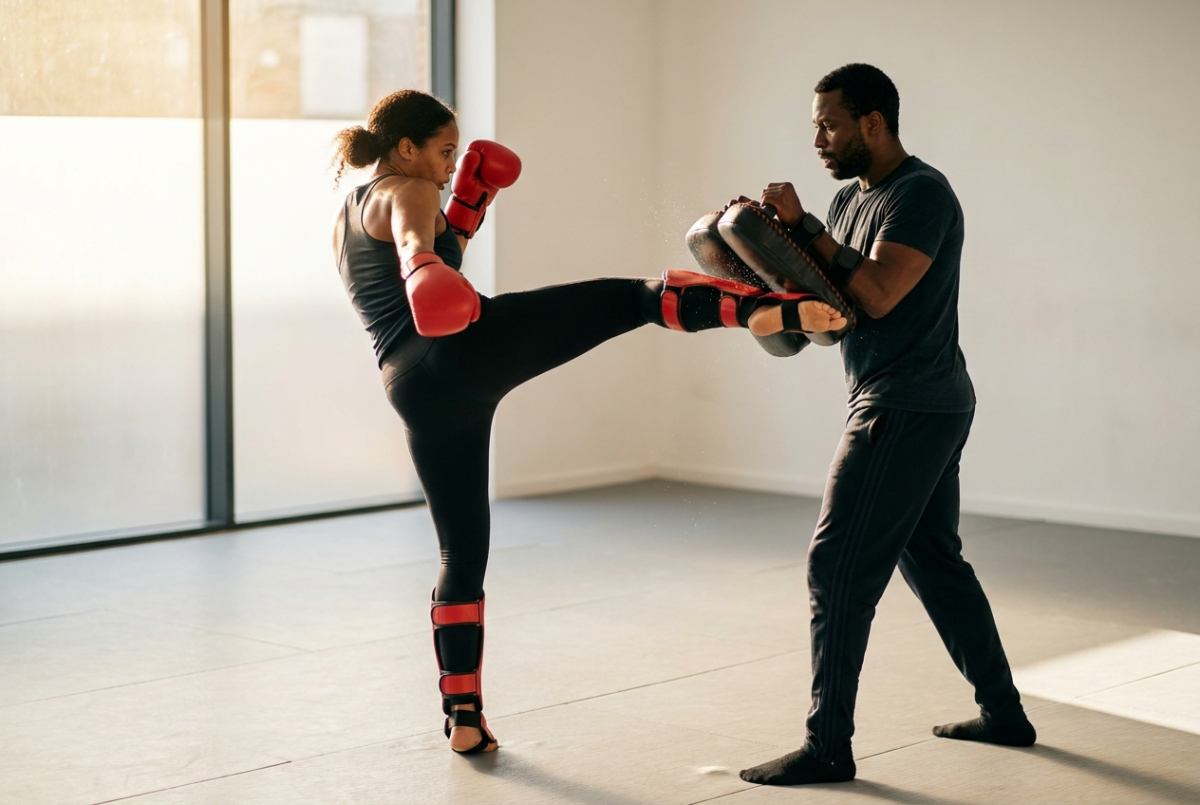
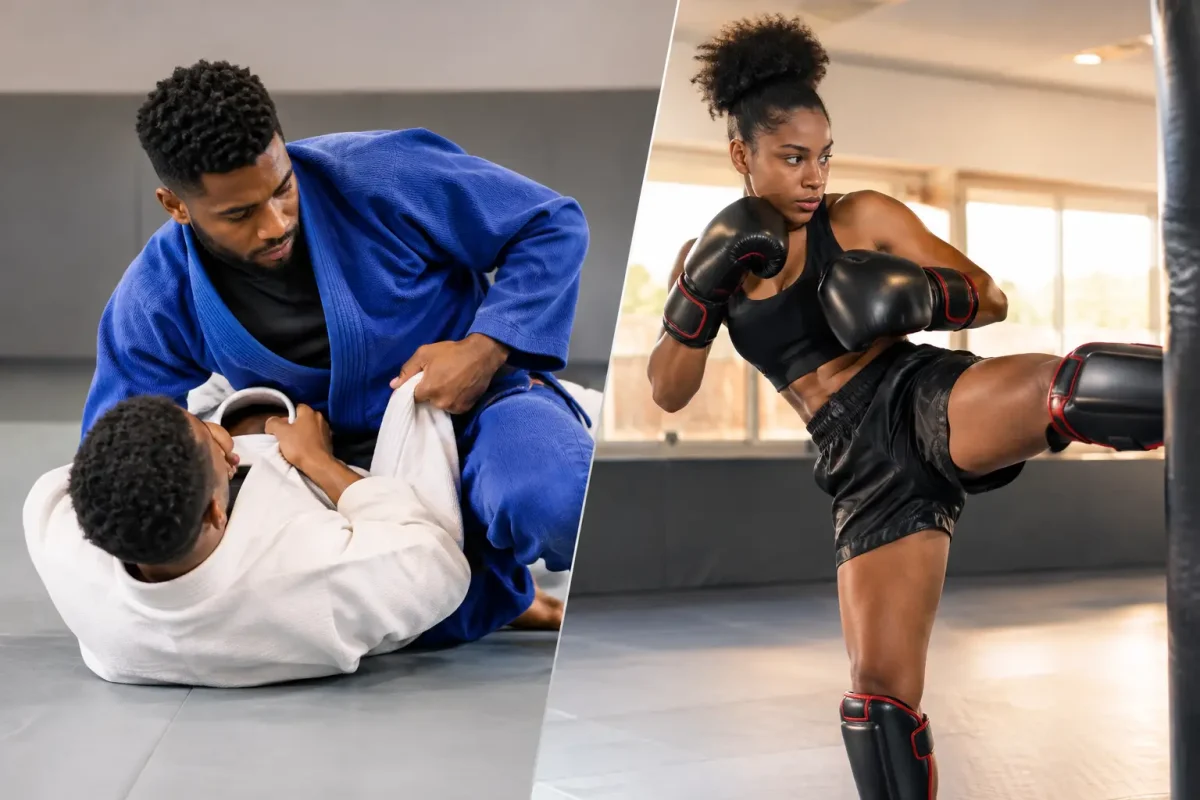
The bag doesn’t care how stressful your day was, how many promises you made to yourself on Monday, or whether you feel ready. It gives honest feedback. That’s why kickboxing classes for adults can become far more than a way to sweat. With the right coaching and structure, they’re a place to train your body, regulate your nervous system, and prove to yourself that you can keep showing up.
This isn’t about arriving as a fighter. It’s about building a stronger response to pressure, one round at a time.
Why Kickboxing Classes for Adults Work Beyond Fitness
A good kickboxing session asks for your full attention. You’re learning stance, balance, breathing, footwork, combinations, defence and timing while moving with purpose. There’s little room to replay an argument, scroll through your worries, or mentally carry tomorrow before it arrives.
That focused demand can be especially valuable for adults whose minds feel constantly switched on. Striking a bag, holding pads, moving through drills and recovering between rounds create a clear cycle: effort, breath, reset, repeat. Over time, that cycle can teach the body that intensity doesn’t have to mean panic. You can work hard, feel your heart rate rise, and return to control.
The physical results matter too. Kickboxing develops cardiovascular fitness, coordination, core strength, mobility and muscular endurance. It can support healthy weight management when paired with sensible nutrition and recovery. But the deeper value is consistency. A training method that’s engaging, skill-based and measurable gives you a reason to return after the initial burst of motivation fades.
Discipline over motivation. Motivation is welcome, but it isn’t the requirement.
What a Well-Coached Adult Class Should Feel Like
Beginners often worry that kickboxing means being thrown into sparring or expected to match the pace of experienced members. It shouldn’t. A properly structured adult class meets you at your current level while still expecting honest effort.
You may begin with a warm-up that prepares the joints, raises your temperature and establishes movement quality. From there, the coach may teach a small number of techniques, such as a jab-cross, hook, knee or round kick. The aim isn’t to memorise dozens of combinations in one evening. It’s to practise a few movements well enough that your body starts to understand them.
Padwork and bag drills add intensity without requiring you to be an expert. They provide immediate feedback on distance, posture, rhythm and power. Conditioning may follow, but it should have a purpose. Press-ups, squats, plank variations or short cardio intervals are tools for developing a capable body, not punishment for being new.
A strong class also leaves space for cool-down, breathing and reflection. That doesn’t make training soft. It makes it sustainable. If every session leaves you overstimulated, injured or dreading the next one, the programme isn’t building resilience. It’s simply exhausting you.
You Don’t Need to Be Fit Before You Start
This belief keeps too many adults on the sidelines. Fitness isn’t an entry requirement. It’s an outcome of regular training.
You may need more rests at first. Your kicks may be low, your coordination may feel unfamiliar, and you may find it difficult to remember a combination while moving. None of this is a failure. It’s the beginning of motor learning. Good coaching gives clear instructions, demonstrations and appropriate adjustments without making beginners feel exposed.
For adults managing anxiety, ADHD, autism, depression or high stress, predictability can matter as much as intensity. Knowing the session structure, understanding what’s expected, and having permission to work at a suitable pace can make training feel accessible rather than overwhelming. The goal is challenge with support, not chaos disguised as toughness.
The Mental Training Happens Between Rounds
Kickboxing is often described as an outlet for stress. That’s true, but it’s incomplete. A bag can absorb force, yet real progress comes from how you manage yourself while exerting that force.
When your breathing becomes shallow during a hard round, can you reset it? When you miss a combination, can you correct it without spiralling into frustration? When you feel tired, can you maintain your stance instead of abandoning technique? These are small training moments, but they carry into work, family life and difficult conversations.
The nervous system learns through repetition. Repeatedly practising focus under pressure can strengthen your ability to pause before reacting. Repeatedly completing a demanding session can build evidence that discomfort is survivable. Repeatedly returning after a difficult week can reshape your identity from someone who starts to someone who follows through.
This doesn’t mean kickboxing replaces medical care, therapy or prescribed treatment where those are needed. It can, however, be a meaningful part of a broader mental health plan. Movement, community, routine and a sense of progress are powerful supports when they’re delivered responsibly.
Choosing the Right Level of Intensity
More isn’t always better. The right frequency depends on your current fitness, sleep, work demands, injury history and goals. For many beginners, two classes per week provide enough repetition to learn while leaving room to recover. Someone with a strong training background may tolerate more, provided technique and sleep remain solid.
Pay attention to the difference between normal training fatigue and warning signs. Sore muscles after unfamiliar work are expected. Sharp pain, dizziness, ongoing joint discomfort, unusual breathlessness or fatigue that doesn’t improve with rest deserve attention. Tell your coach about injuries, health conditions or concerns early. Adaptation is part of intelligent training, not an exception to it.
Sparring is another area where context matters. It can develop timing, composure and technical awareness, but it isn’t essential for every adult. A beginner can gain substantial fitness and skill through bags, pads, movement drills and controlled partner exercises. If sparring is offered, it should be progressive, supervised and based on consent, control and safety.
Progress Is More Than Hitting Harder
Power is satisfying, but it’s only one marker of improvement. You might notice that your balance no longer disappears when you kick. You may recover your breath faster between rounds, remember combinations with less effort, or walk into class after a difficult day instead of cancelling.
Keep track of these wins. They’re proof that training is working at the level that matters most: behaviour. A stronger punch is useful. A stronger commitment to yourself changes more.
Build a Routine You Can Actually Keep
The most effective class is the one you attend consistently. Rather than waiting for a perfect week, choose training times that fit your real life. Put them in your diary as appointments with the same status as work or family responsibilities. Pack your kit in advance. Reduce the number of decisions required when the time comes.
Eat and hydrate sensibly before class, but avoid turning preparation into another excuse to postpone. You don’t need a perfect meal plan or expensive equipment to begin. Comfortable training clothes, water and a willingness to learn are enough for most first sessions. Gloves and wraps may be provided or recommended depending on the academy.
At Edson Breedy Athletics, the doctor-designed approach combines technical martial arts coaching with an understanding of focus, stress regulation and individual needs. A $50 trial week gives adults the space to experience different classes and find a training rhythm before making a longer commitment.
Your First Class Is a Decision, Not a Performance
You don’t need to impress anyone on day one. You need to arrive, listen, move with intention and allow yourself to be a beginner. Every capable kickboxer once had to think carefully about where to put their feet.
Stop negotiating with yourself. The confidence you want isn’t waiting at the end of a perfect plan. It’s built each time you show up, take the next round, and leave knowing you kept your word to yourself.
Train your mind. Build your body.
Your first week is just TTD $50, every discipline, every class, no experience needed. Come find out what training with EBA feels like.