Yoga Classes Saint Joseph for Stronger Minds
August 29, 2026
How to Build Exercise Habits That Actually Last
September 2, 2026
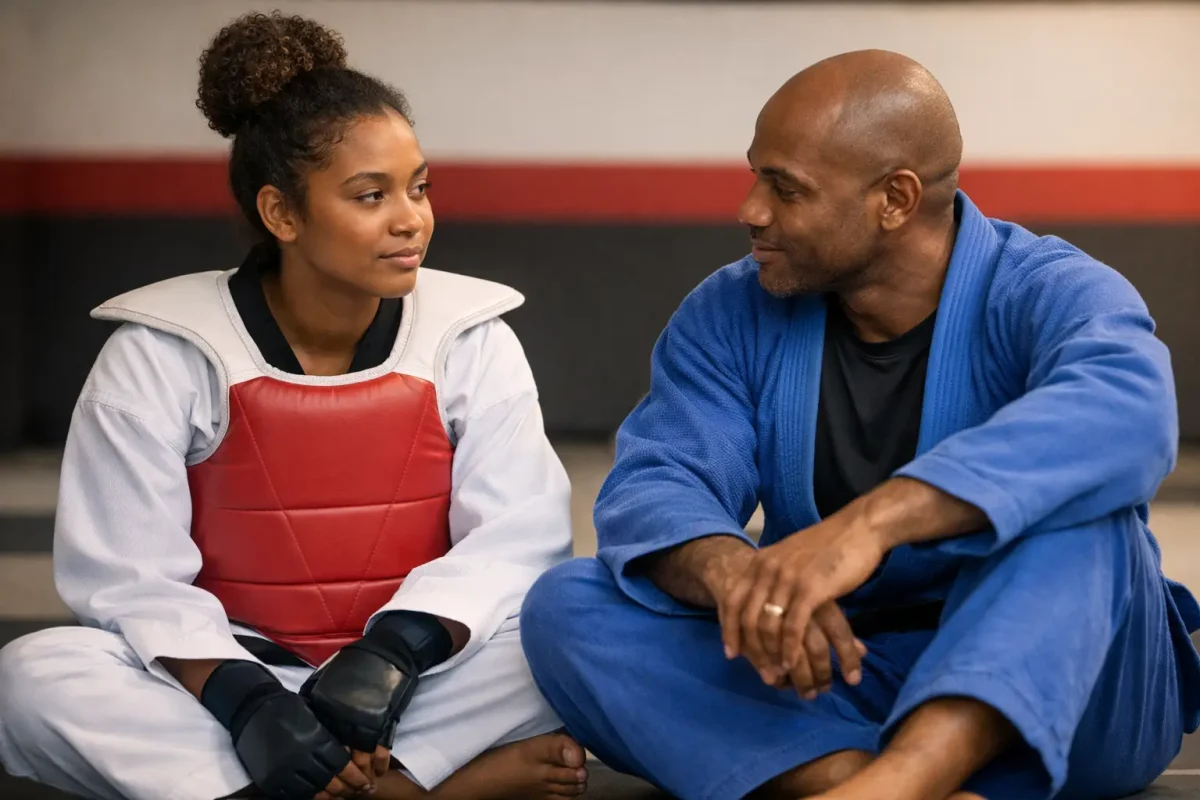
A child stands at the edge of the mat, watching everyone else begin. An adult arrives after a difficult day, already overstimulated, anxious or convinced they won’t keep up. In both moments, the question isn’t simply, “Are classes inclusive?” It’s whether the coach has a clear way to bring that person into training without lowering the standard or making them feel like a problem to manage.
Real inclusion isn’t a slogan on a poster. It’s structure, observation and skilled coaching applied consistently. It means people can enter with different bodies, histories, attention styles and confidence levels, then work towards meaningful progress.
Are classes inclusive when everyone does the same thing?
Not necessarily. Treating every person identically can look fair from the outside, but it often ignores what people actually need to participate. One student may need to see a movement demonstrated twice before attempting it. Another may need a quieter explanation, a clearer boundary, a partner chosen with care or permission to take a brief reset.
That doesn’t mean the class loses discipline. It means the coach understands the difference between an excuse and a genuine access need. Inclusive training doesn’t remove challenge. It makes challenge possible.
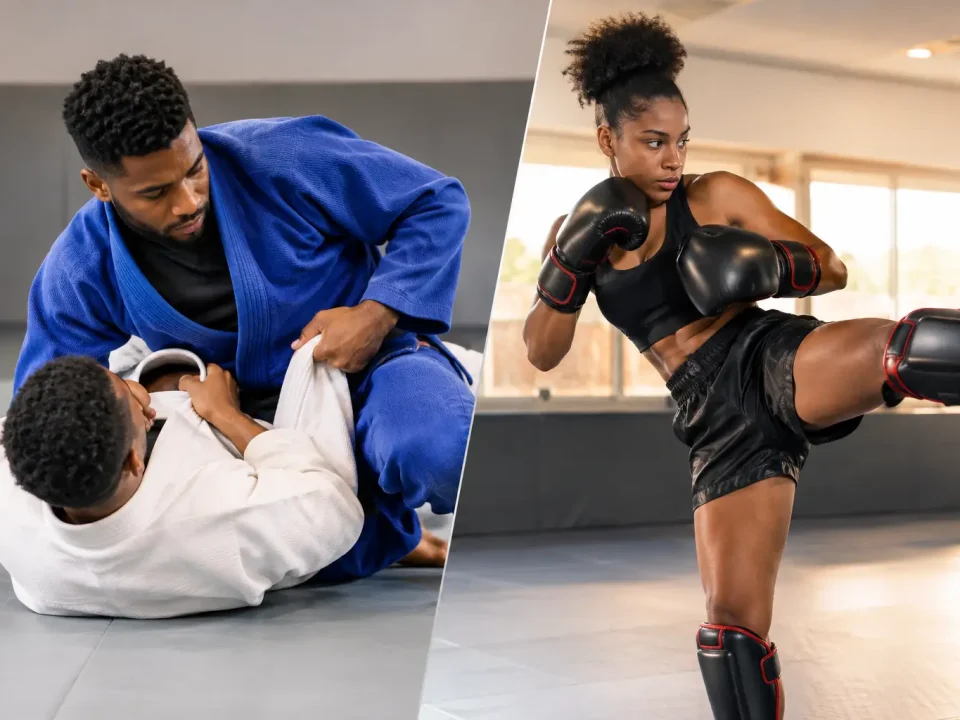
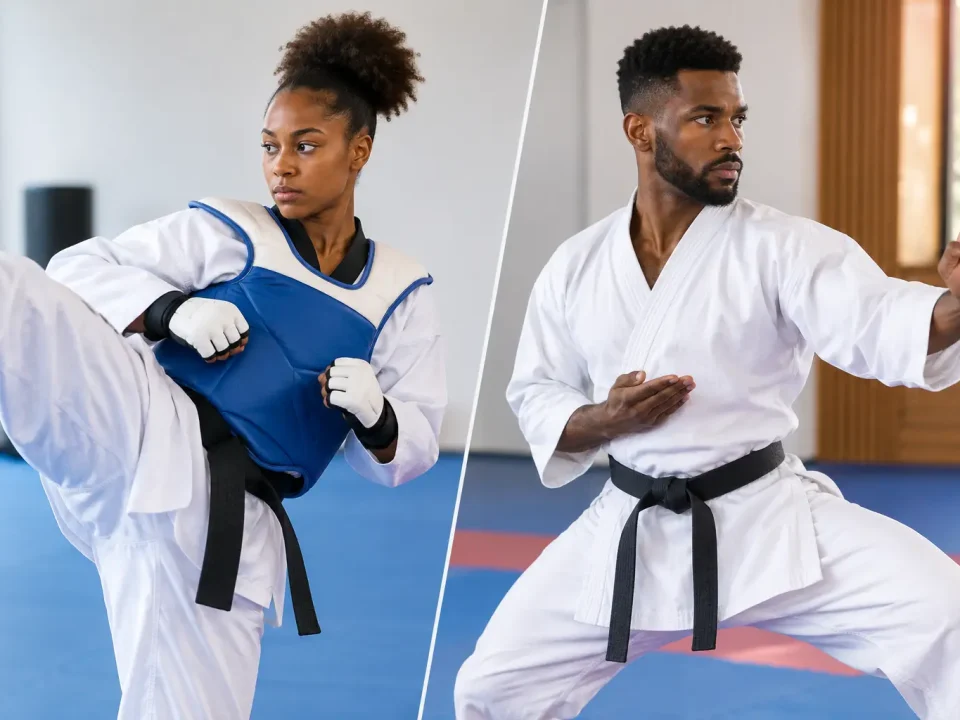
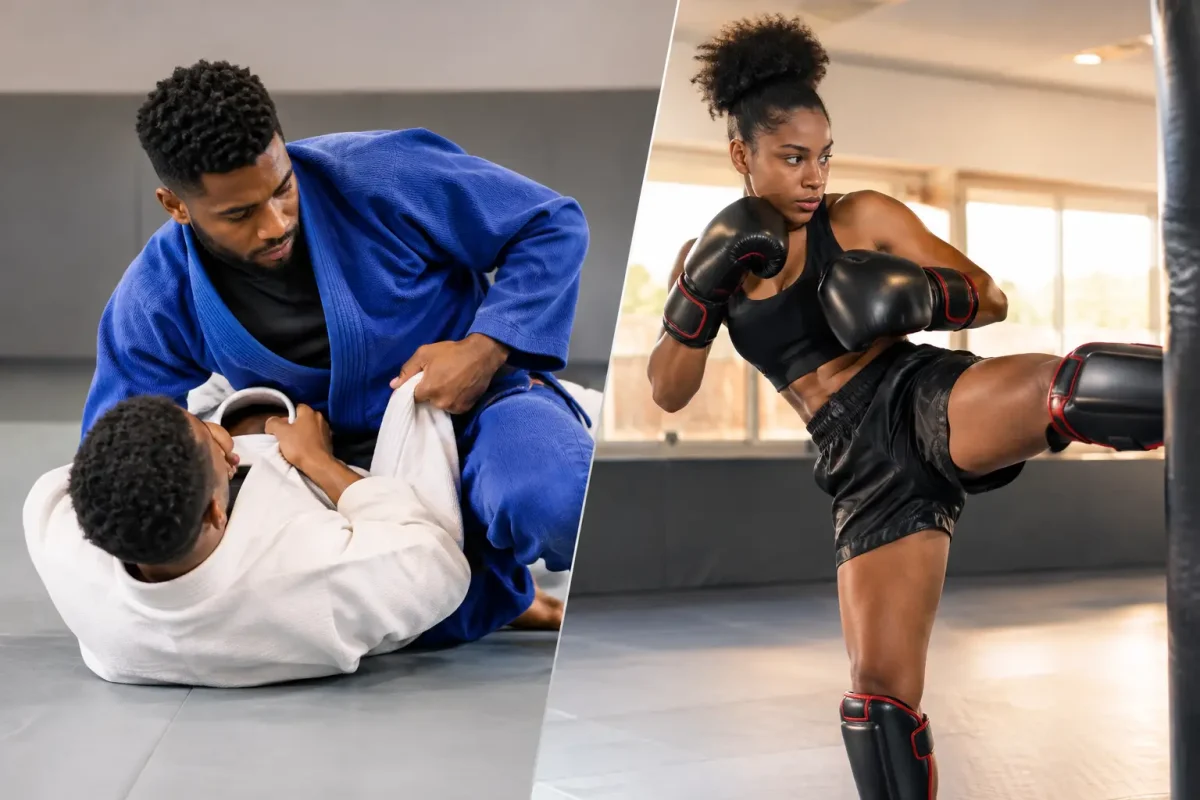
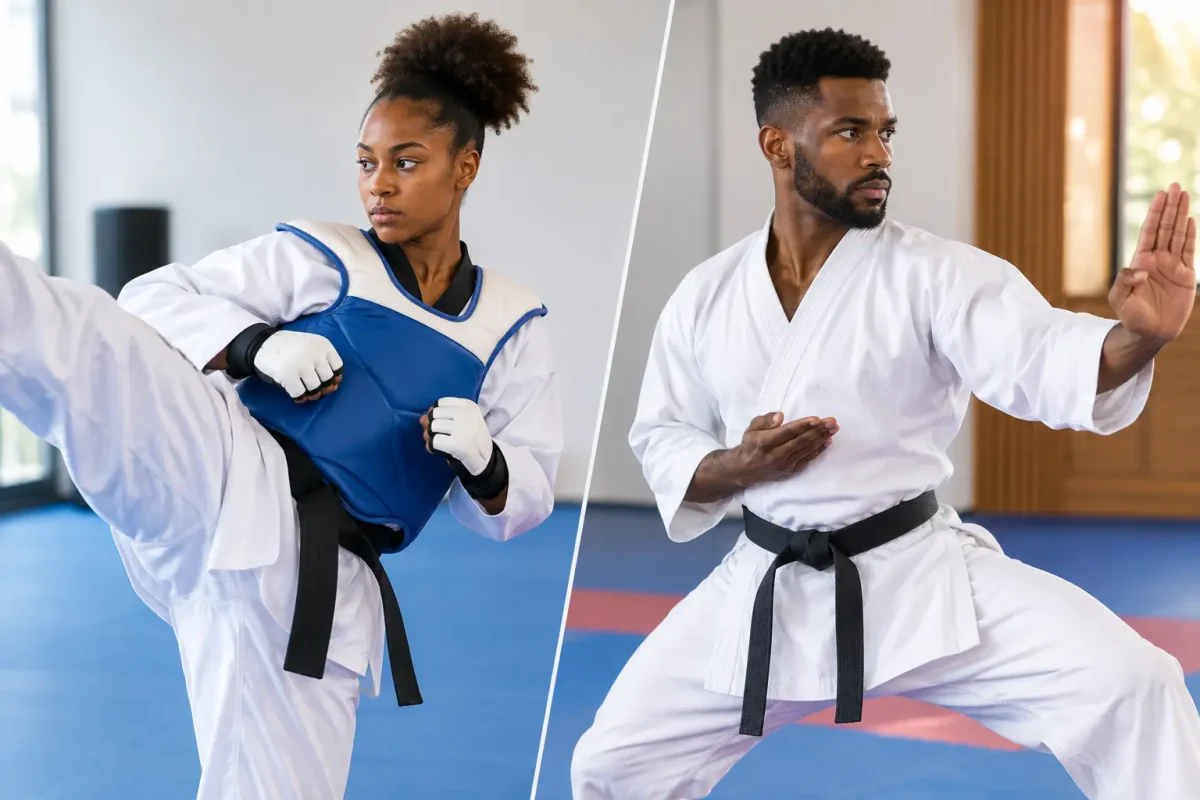
In martial arts and fitness, this matters because training asks a great deal of the nervous system. There’s physical exertion, new coordination, social interaction, noise, correction and sometimes close contact. For a beginner, a child with ADHD, an autistic trainee, or someone living with anxiety or depression, these demands can either build confidence or trigger withdrawal. The difference is often the environment and the quality of instruction.
Inclusion needs standards, not lowered expectations
A well-run class has routines. Students know how to enter, where to stand, when to listen, what the next drill involves and how to ask for help. That predictability isn’t restrictive. It gives the brain fewer unnecessary decisions to make, freeing attention for learning and effort.
The standard remains clear: show up, listen, practise safely, respect others and keep working. But the route towards that standard may vary. A trainee recovering from injury may use a modified stance. A child who becomes overwhelmed in a busy drill may begin with one partner before joining a larger group. Someone new to boxing may work on footwork and breathing before adding combinations at speed.
Progression is the key. Adaptations shouldn’t become a permanent corner where someone is left behind. The coach should understand the goal, set the right starting point and gradually build capacity. Inclusion without progression can become overprotection. Progression without support can become discouragement.
What inclusive coaching looks like on the floor
Good coaching is visible in small decisions. The instructor gives concise instructions, then demonstrates. They check understanding rather than assuming silence means comprehension. They correct behaviour and technique without humiliating anyone. They notice when a student is struggling before frustration becomes a meltdown, an argument or a reason never to return.
For neurodivergent trainees, clarity can be especially powerful. Concrete language is easier to act on than vague commands. “Place your left foot forward, hands at cheek level, eyes on your partner” gives a student something specific to do. “Focus better” doesn’t.
Sensory needs also deserve practical thought. Some people enjoy high-energy group training. Others need time to adjust to music, shouting, physical contact or crowded spaces. No academy can promise a perfectly quiet or friction-free environment, particularly in combat sports. What it can do is communicate honestly, provide sensible options and coach with awareness.
A supportive class may include a designated place to reset, advance notice before partner drills, choice around contact where appropriate, or a simple visual explanation of the session. These aren’t special favours. They’re tools that help trainees regulate, re-engage and learn.
Belonging is built through behaviour
The culture between students matters as much as the coach’s plan. A class isn’t inclusive if newcomers are tolerated but ignored, if children are mocked for being slower, or if advanced members treat beginners as obstacles to their own training.
Respect must be taught and enforced. Senior students should model patience. Partners should be matched thoughtfully. Competition can be useful, but it must serve development rather than become a measure of who deserves to belong.
This is particularly relevant for young people. Children are always learning what strength looks like. If strength is presented as dominance, they may learn to hide uncertainty or target weaker peers. If strength includes self-control, courage, respect and persistence, they gain something that carries beyond the training floor.
The questions parents and adults should ask
You don’t need a perfect knowledge of coaching science to assess whether an environment is right for you or your child. Watch a class if possible. Pay attention to how the instructor responds when someone makes a mistake, loses focus or needs extra explanation.
Ask direct questions before joining:
- How are beginners introduced to the class?
- What happens if a child becomes overwhelmed or needs a short break?
- Can drills be adjusted for injury, anxiety, sensory needs or different learning styles?
- How do coaches manage unsafe behaviour, teasing or excessive contact?
- How is progress tracked over time?
The answers should be clear, practical and calm. Be cautious of any programme that promises to be suitable for everyone while offering no explanation of how it handles different needs. Inclusion requires planning. It also requires honest limits. A responsible coach will say when a situation needs additional support, a conversation with a parent, or a more gradual introduction to group training.
Why structure supports mental health
Exercise can support mood, sleep, stress regulation and self-belief, but the setting matters. Chaotic training can add stress to an already overloaded person. Consistent, well-coached training gives the body a healthier experience of effort: your heart rate rises, you breathe with intention, you practise a hard skill, you recover, and you realise you can handle more than you thought.
That process builds evidence. Not empty praise. Evidence.
For someone with anxiety, the evidence may be attending despite discomfort and completing the session. For a young person with ADHD, it may be following a sequence for longer than last week. For an adult rebuilding confidence after a difficult period, it may be returning to the mat consistently and noticing their posture change. These wins deserve recognition because they’re the foundation of resilience.
At Edson Breedy Athletics, this is why physical training is treated as more than calorie burning or collecting belts. Martial arts, yoga and fitness can become a disciplined practice of nervous system regulation, focus and character when coaching accounts for the whole person.
Inclusion also asks something of the trainee
A welcoming environment isn’t a passive experience. Students and parents should communicate what helps, what’s difficult and what success would look like. Tell the coach about an injury, a diagnosis that affects learning, a fear of contact, or a recent change in mood or behaviour. You don’t have to disclose every private detail, but relevant information helps the coach make better decisions.
Then commit to the process. Confidence rarely arrives before action. A class may feel unfamiliar at first. Muscles may ache. Social situations may take practice. The aim isn’t immediate comfort in every moment. The aim is safe, steady exposure to challenge with enough support to stay engaged.
The best classes make room for difference while calling every student forward. Find the place where you or your child can be coached with care, held to a meaningful standard and given a reason to return next week.
Train your mind. Build your body.
Your first week is just TTD $50, every discipline, every class, no experience needed. Come find out what training with EBA feels like.