Taekwondo vs Jiu Jitsu for Children Compared
August 27, 2026
Are Classes Inclusive? What Real Support Looks Like
August 31, 2026
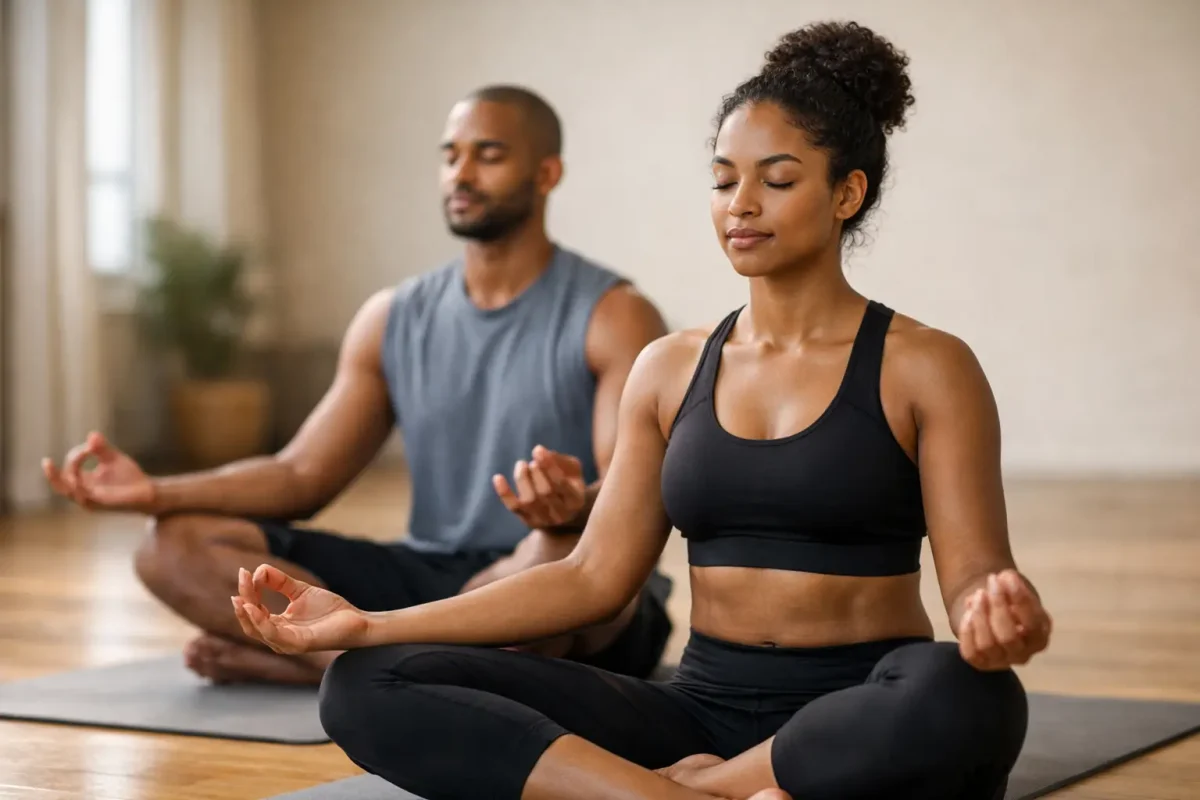
Your body often tells the truth before your thoughts catch up. Tight shoulders after a demanding week, shallow breathing before an uncomfortable conversation, a restless mind when you finally have time to sleep - these aren’t personal failures. They’re signals. The right yoga classes Saint Joseph can give you a structured place to listen, move, and respond with purpose.
Yoga is sometimes presented as a soft option: a few stretches, calming music, and an hour away from responsibility. That version may suit some people, but it misses what disciplined practice can become. Yoga can build physical strength, improve balance and mobility, sharpen body awareness, and help you practise regulating your nervous system under manageable challenge.
At its best, yoga isn’t escape. It’s training for how you meet pressure.
Why yoga is more than flexibility
Flexibility is useful, but it isn’t the entry requirement for yoga and it isn’t the main measure of progress. A person who can’t touch their toes can still learn to breathe with control, brace through a plank, hold a balanced stance, and leave class feeling more settled than when they arrived.
The deeper work is learning to stay present when effort rises. In a held posture, your muscles may shake. Your mind may insist that you should stop immediately. Sometimes stopping is the intelligent choice. Other times, you’ve more capacity than your first reaction suggests. Yoga gives you a safe, repeatable setting to tell the difference.
That distinction matters outside the studio. It can look like pausing before reacting in an argument, returning to a task after distraction, or recognising that anxiety is a signal to work with rather than proof that you can’t cope. Discipline over impulse isn’t harshness. It’s self-respect in action.
What to look for in yoga classes in Saint Joseph
Not every yoga class serves the same purpose. Some are fast-paced and physically demanding. Others focus on slower movement, recovery, breathwork, and longer holds. Neither approach is automatically better. The right choice depends on your current fitness, injuries, stress levels, goals, and willingness to practise consistently.
If you want yoga to support real progress, look beyond impressive poses on social media. Look for coaching that explains why a movement matters, offers appropriate modifications, and encourages you to work at an honest level. You shouldn’t be pushed into pain to prove commitment. Equally, you shouldn’t be left to drift through class without direction.
A well-led class has structure. You know how to enter the session, warm up, build effort, reduce intensity, and finish with intention. That predictability can be especially valuable for beginners, children, and people who find unfamiliar environments overwhelming.
Coaching should make the room safer, not smaller
Good instruction isn’t about forcing every body into the same shape. Hip structure, previous injuries, strength, coordination, pregnancy, sensory needs, and fatigue all affect what a posture feels like. A coach should be able to offer options without making anyone feel singled out.
For some people, a strong flow provides the physical challenge they need to discharge stress. For others, slow, clear movement is more useful because their nervous system is already overloaded. The goal isn’t to label one person advanced and another behind. The goal is to choose the level of challenge that allows progress without panic or reckless strain.
That’s particularly relevant for people managing ADHD, autism, anxiety, or depression. A predictable class routine, direct cues, and permission to modify can remove barriers that conventional fitness spaces often ignore. You don’t need to perform calmness or confidence before you begin. You need an environment where you can build both.
The physical benefits are practical
Yoga develops strength differently from lifting weights or striking pads, but it’s still strength training. Holding a lunge asks your legs to stabilise. Moving from plank to the floor challenges the shoulders, chest, arms, and trunk. Balance postures recruit smaller stabilising muscles that are easy to overlook until you need them.
Over time, regular practice can improve joint control, posture, range of motion, and coordination. These benefits carry into daily life, whether you sit at a desk, train martial arts, lift in the gym, play sport, or spend your day caring for children.
Yoga is also useful alongside more intense training. Boxing, kickboxing, Taekwondo, jiu-jitsu, and strength work can create stiffness and fatigue when recovery is neglected. Yoga won’t replace sound programming, sleep, nutrition, or medical care when needed. It can, however, be a valuable part of recovery because it teaches you to move deliberately rather than only push harder.
Breathing is a skill, not decoration
Breathwork is often the part of yoga people underestimate. Yet your breathing pattern affects how you experience effort, stress, and recovery. When you’re anxious, rushed, or threatened, breath commonly becomes quicker and shallower. That response is normal. The problem comes when the body never gets a clear signal that the threat has passed.
A guided yoga practice can help you notice your breath without becoming obsessed with controlling it. Slow, steady breathing paired with manageable movement may support a shift out of high alert. You aren’t trying to erase difficult emotions. You’re creating enough internal space to choose what happens next.
This is why yoga can complement mental health support, but it shouldn’t be marketed as a cure for every condition. If you’re experiencing severe depression, panic, trauma symptoms, or thoughts of harming yourself, seek appropriate professional help. Movement can support wellbeing; it doesn’t replace clinical treatment or a trusted support network.
Starting when you feel unfit, stiff, or self-conscious
Many people delay their first class because they believe they need to get fit before joining. That logic keeps people stuck. Beginners don’t need to arrive capable. They need to arrive willing to follow instruction and practise within their limits.
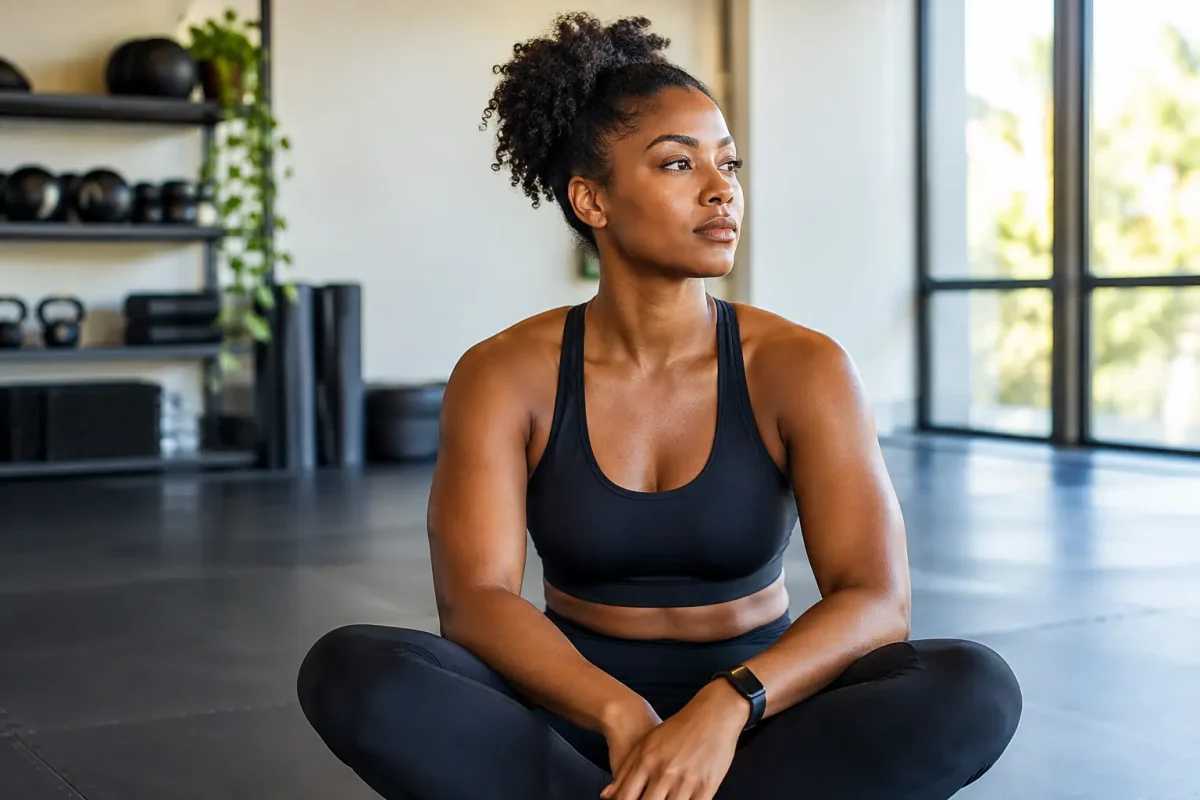
Wear clothing that lets you move comfortably, bring water, and let the coach know about injuries or concerns before class begins. You don’t need expensive equipment or prior experience. Most importantly, resist the urge to compare yourself to the most flexible or athletic person in the room. Their practice isn’t your assignment.
Your first goal is simple: attend, pay attention, and leave with your body feeling understood rather than punished. The second goal is to return. Consistency gives your brain evidence that you can keep promises to yourself.
Build a practice that fits real life
One demanding session followed by three weeks away won’t create much change. Two or three sessions per week, sustained over time, can. If your schedule is crowded, start with one class and protect it as seriously as any other appointment.
Notice the outcome that matters most to you. It may be less lower-back stiffness, better concentration at work, improved sleep, more confidence in your body, or a calmer response when life becomes loud. Progress is rarely dramatic from one class to the next. It accumulates quietly through repetition.
For families, yoga can also teach children and teenagers that movement isn’t only about competition or appearance. It can be a practical way to understand emotions, practise patience, and develop respect for their own limits. Those lessons travel well into school, sport, friendships, and adulthood.
At Edson Breedy Athletics, yoga sits within a wider mind-body training approach: one that values effort, emotional regulation, and long-term resilience rather than quick fixes. A trial week can be a useful way to experience different classes, find the pace that suits you, and decide what kind of structure will help you show up.
You don’t have to wait until life is calmer to begin. Choose a class, step onto the mat as you’re, and practise becoming the person who returns.
Train your mind. Build your body.
Your first week is just TTD $50, every discipline, every class, no experience needed. Come find out what training with EBA feels like.