How to Build Discipline Through Martial Arts
August 7, 2026
Anxiety Recovery Through Structured Exercise
August 11, 2026

Your brain doesn’t build focus by being told to focus. It builds focus by practising the ability to pause, choose, remember, adapt and follow through when the body is under manageable pressure. That’s why learning how to improve executive function with exercise can change far more than your fitness. It can change how you handle schoolwork, deadlines, conflict, anxiety, routines and the promises you make to yourself.
Executive function isn’t a personality trait that some people simply have and others lack. It’s a set of trainable skills. For children, teens and adults alike, structured movement offers a practical place to train them consistently.
What executive function actually means
Executive function is the brain’s management system. It helps you hold information in mind, resist unhelpful impulses, switch strategies when circumstances change, plan ahead and complete a task even when you don’t feel like it.
Think of a child who hears three instructions, remembers them, starts the first task and returns to the others without a meltdown. Think of a teenager who puts the phone away to study. Think of an adult who feels stressed after work but chooses a constructive response rather than reacting immediately. These moments rely on executive function.
The main skills include working memory, inhibitory control and cognitive flexibility. Working memory helps you remember what comes next. Inhibitory control creates a gap between impulse and action. Cognitive flexibility lets you adjust when the plan changes, you make a mistake or an opponent does something unexpected.
For people with ADHD, autism, anxiety or depression, these demands can be especially draining. That doesn’t mean progress is out of reach. It means the environment, coaching and level of challenge matter. Structure helps. Clear expectations help. Repetition helps.
How to improve executive function with exercise
Exercise supports executive function because movement asks the brain and body to work together in real time. Your heart rate rises, your attention has somewhere specific to go, and your nervous system receives repeated opportunities to practise regulation.
The benefits aren’t limited to intense training. A brisk walk can clear mental static. Yoga can build body awareness and controlled breathing. Strength training can reinforce patience and effort. But exercise becomes particularly powerful for executive function when it includes skill, sequence, feedback and gradual challenge.
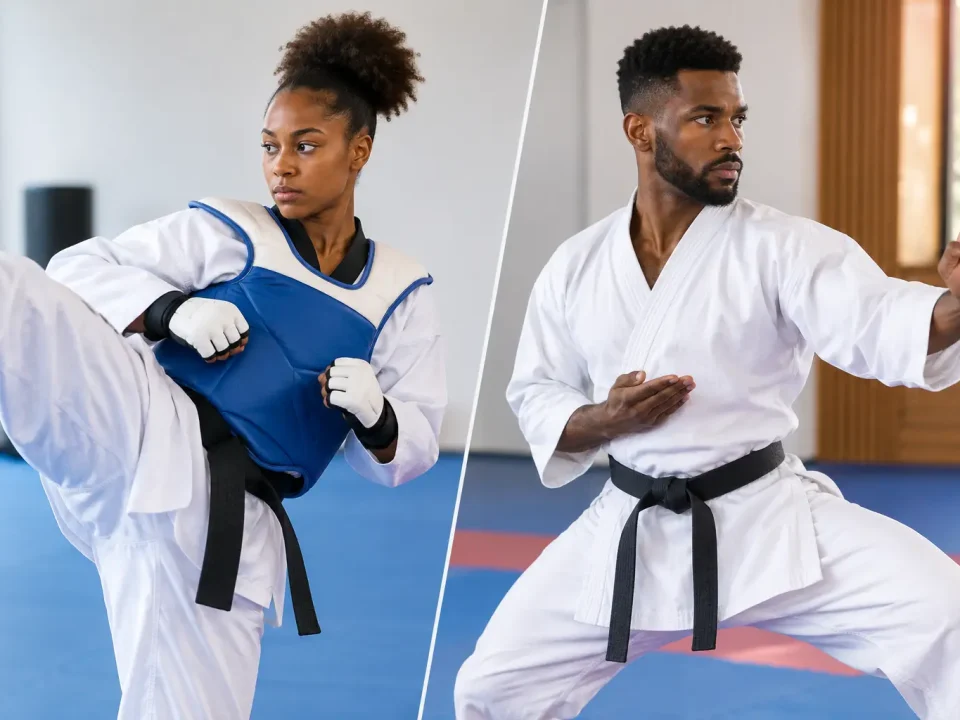
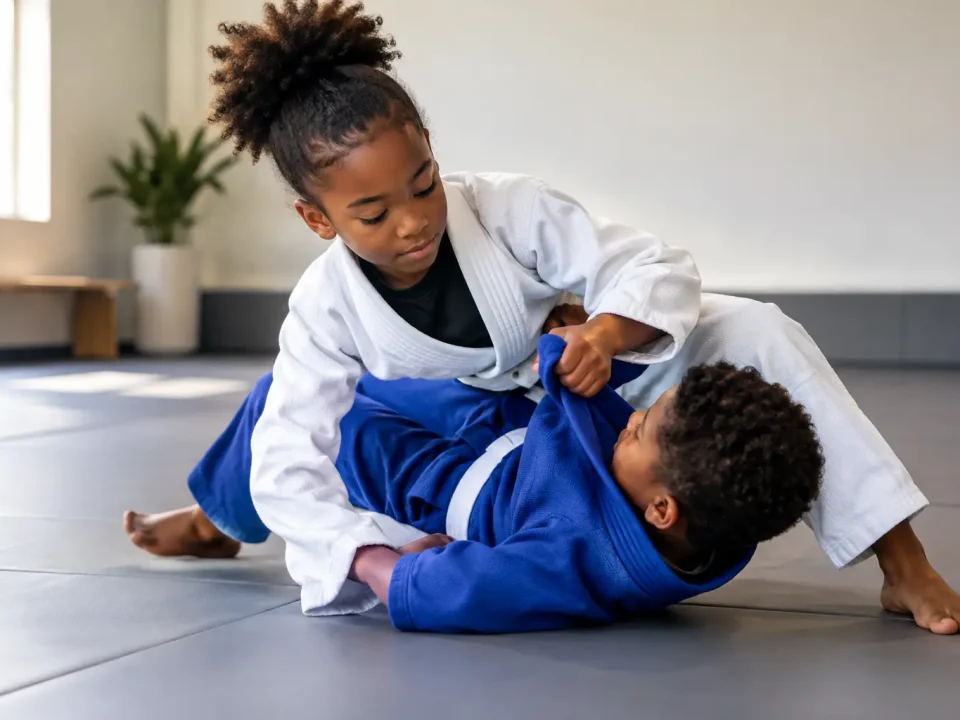
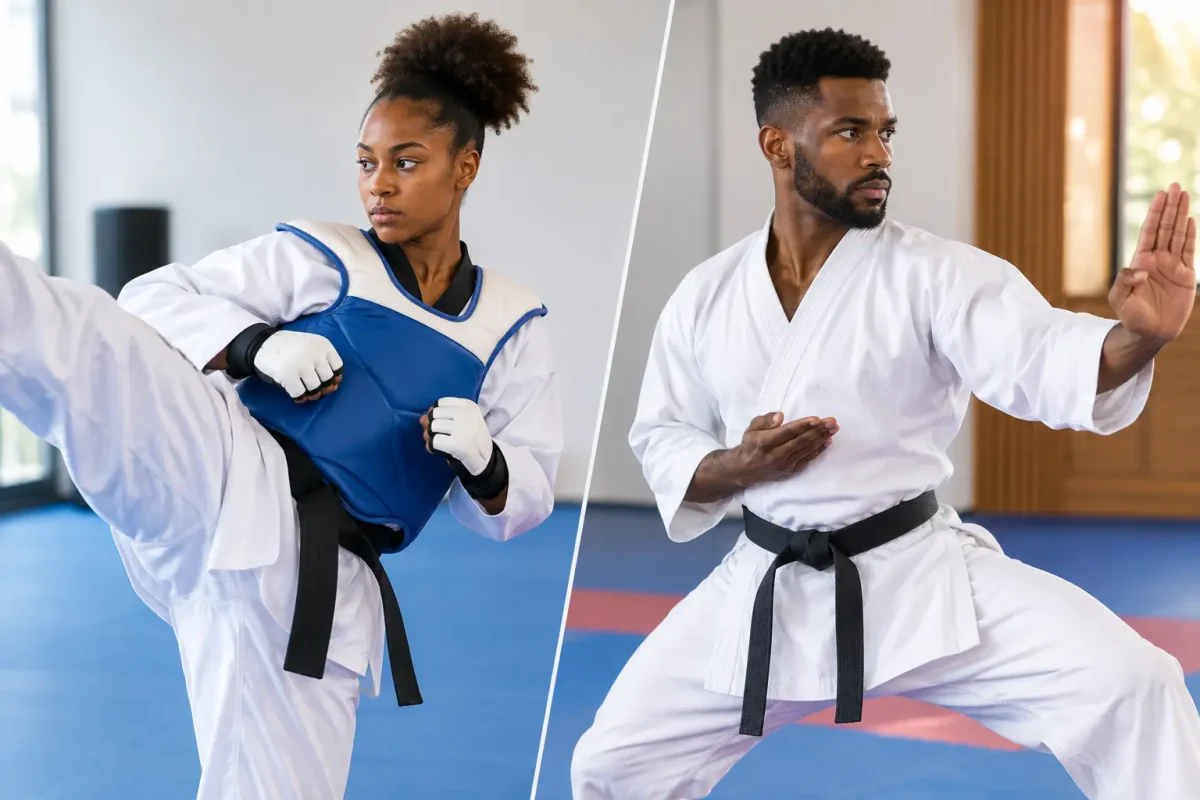
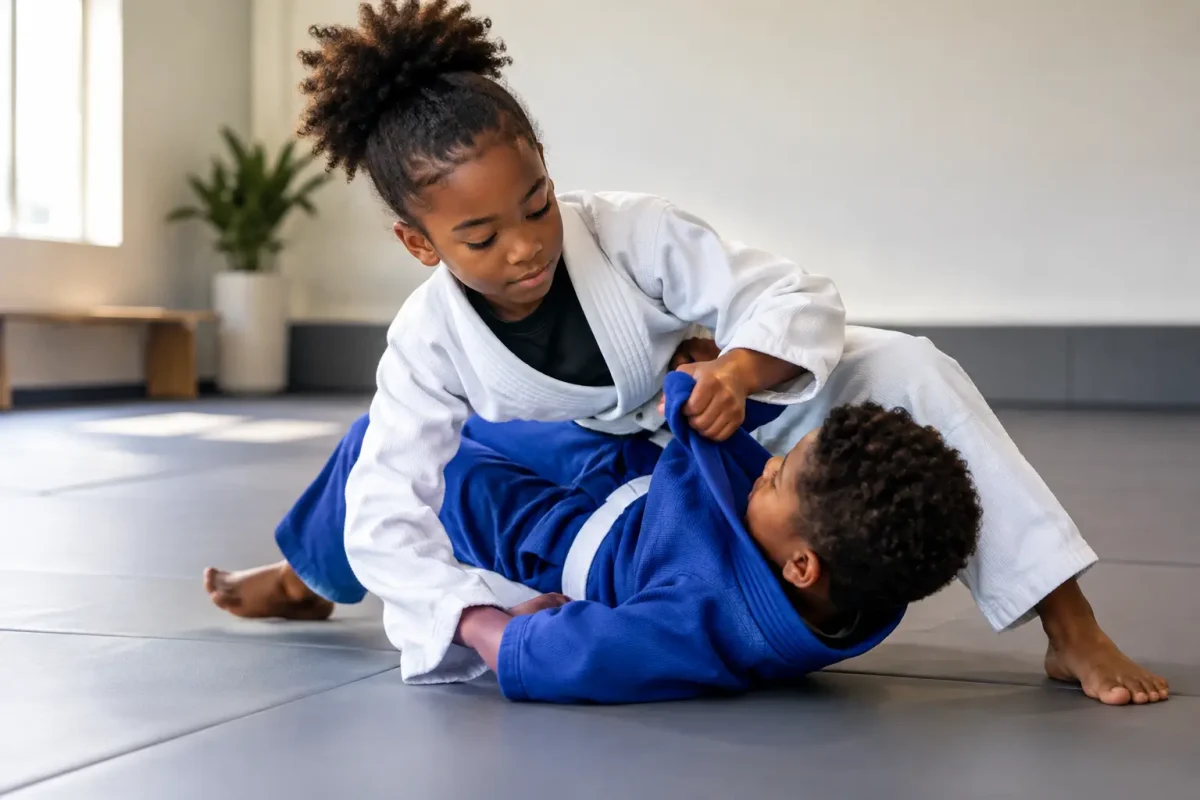
A boxing combination, for example, requires you to remember a pattern, coordinate both sides of the body, control force, notice cues and recover after an error. In jiu-jitsu, you must remain calm enough to problem-solve while another person changes the situation. Taekwondo develops precision, balance, timing and the discipline to repeat fundamentals before moving on.
This isn’t just burning energy. It’s practising organised action.
Use exercise that requires attention, not just effort
Some training sessions are designed mainly to fatigue the body. There’s nothing wrong with that, but exhaustion alone doesn’t automatically improve planning or self-control. The best option depends on the person, their current capacity and their goals.
For executive function, choose activities with a small learning demand. Follow a sequence. Respond to a coach’s cue. Count repetitions with good form. Learn a new footwork pattern. Balance in a yoga posture while controlling your breath. Work with a partner respectfully and safely.
The goal isn’t complexity for its own sake. Too much complexity too soon can create frustration, especially for a beginner or someone who is already overwhelmed. Start with a clear task that can be completed successfully, then increase the challenge.
Train the pause between feeling and action
Executive function grows in the pause. During exercise, there are many chances to practise it.
You miss a kick. Do you rush the next repetition, or reset your stance? You feel tired during rounds. Do you abandon your technique, or slow down and protect your form? A sparring partner applies pressure. Can you breathe, observe and make a decision rather than panic?
These are physical moments, but they’re also emotional regulation drills. A good coach doesn’t only say, “Go harder.” A good coach teaches when to push, when to reset and how to remain composed under pressure.
This is one reason martial arts can be valuable for children and adults who struggle with impulsivity or anxiety. The lesson isn’t aggression. The lesson is controlled response.
Make consistency the first target
Stop negotiating with yourself every day about whether you’re going to train. Motivation is unreliable. A simple routine reduces the number of decisions your brain needs to make.
Two or three sessions each week is enough to begin building momentum. Put them into the diary as fixed appointments. Prepare your clothes beforehand. Choose a training time that fits your real life, not an imaginary perfect week.
For a child, consistency may mean attending the same age-appropriate class each week and following the same arrival routine. For an adult, it may mean a 30-minute strength session after work twice a week, plus one skill-based class at the weekend. The programme matters less than returning to it.
Discipline over motivation. Each completed session is evidence that you can act with intention.
A practical weekly framework
A balanced week should challenge the brain without leaving the nervous system constantly overloaded. If you’re new to exercise, begin conservatively. If you’re managing injury, a health condition, severe depression or intense anxiety, adapt the plan with appropriate professional guidance.
Use this structure as a starting point:
- One skill session: Martial arts, boxing, dance, yoga flow or any coached activity that requires patterns, timing and feedback.
- One strength session: Controlled resistance work with attention to technique, counting, pacing and progressive improvement.
- One regulation session: A walk, gentle yoga, mobility work or easy cycling where the focus is breathing, rhythm and recovery.
- One short challenge: Ten to twenty minutes of movement on a busy day, simply to reinforce the habit of showing up.
The skill session trains attention and adaptability. Strength work builds patience and task persistence. Regulation work teaches the body that movement doesn’t always have to mean pressure. The short challenge protects your identity as someone who follows through.
For children, keep instructions brief and visible. Give one cue at a time when necessary. Build predictable class routines, but include small changes so flexibility is practised safely. Celebrate effort, recovery and respectful behaviour, not only technical perfection.
The role of intensity and recovery
Hard training can be useful, but more intensity isn’t always better. If a person finishes every session overstimulated, exhausted or unable to sleep, the programme may be asking too much of their nervous system. Executive function is harder to access when the brain is overloaded.
The right level of challenge feels demanding but manageable. You should need to concentrate, yet still be able to hear instruction, use safe technique and recover afterwards. For some people, pad work or sparring improves confidence and stress tolerance. For others, especially at first, it may be too activating. There’s no weakness in starting with movement patterns, controlled drills or yoga.
Recovery is part of the training plan. Sleep, hydration, meals and calm transition time after exercise all influence concentration and emotional control. A child who leaves class hungry, overtired and rushed may not experience the same benefits as a child who has time to settle afterwards.
Measure progress beyond fitness
Don’t judge improvement only by weight lifted, belts earned or rounds completed. Notice what happens away from training.
Are you less likely to abandon a task when it becomes difficult? Can your child wait for an instruction more often? Are transitions at home becoming smoother? Do you recover faster after a stressful conversation? Can you recognise frustration before it becomes an outburst?
These changes may be gradual. They’re still real. Executive function develops through repeated practice, not one motivational surge.
At Edson Breedy Athletics, training is built around that principle: a structured space where people can develop physical skill while learning discipline, confidence and nervous system regulation. Beginners don’t need to arrive focused, fit or fearless. They need a clear starting point and coaching that meets them there.
Choose movement that asks you to be present. Return to it on the days when your mind looks for an excuse. Every controlled repetition is a vote for the person you’re training yourself to become.
Train your mind. Build your body.
Your first week is just TTD $50, every discipline, every class, no experience needed. Come find out what training with EBA feels like.