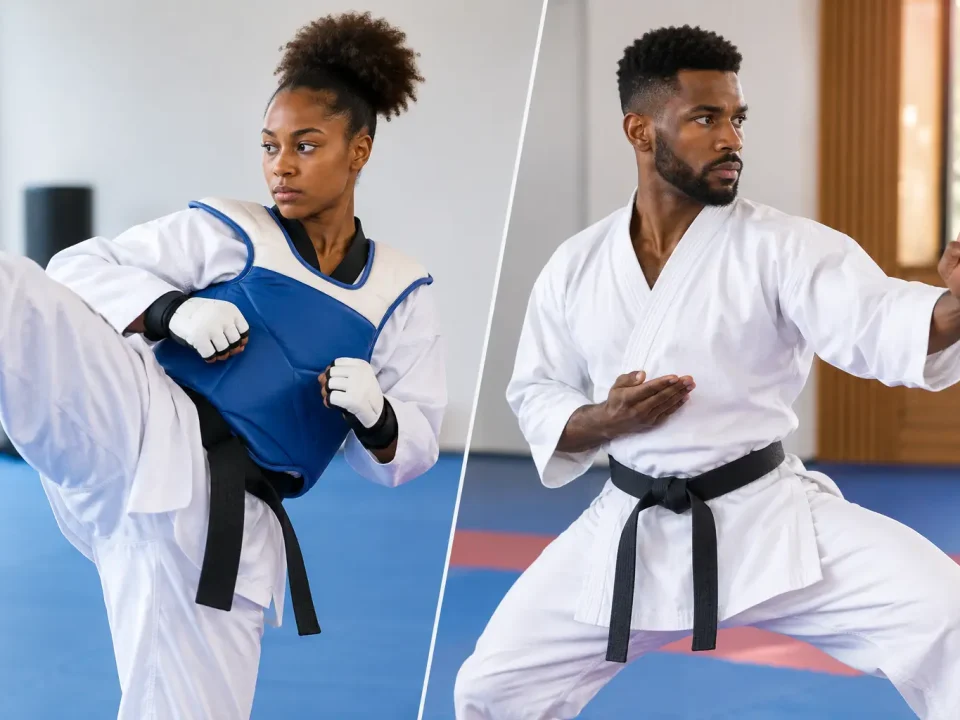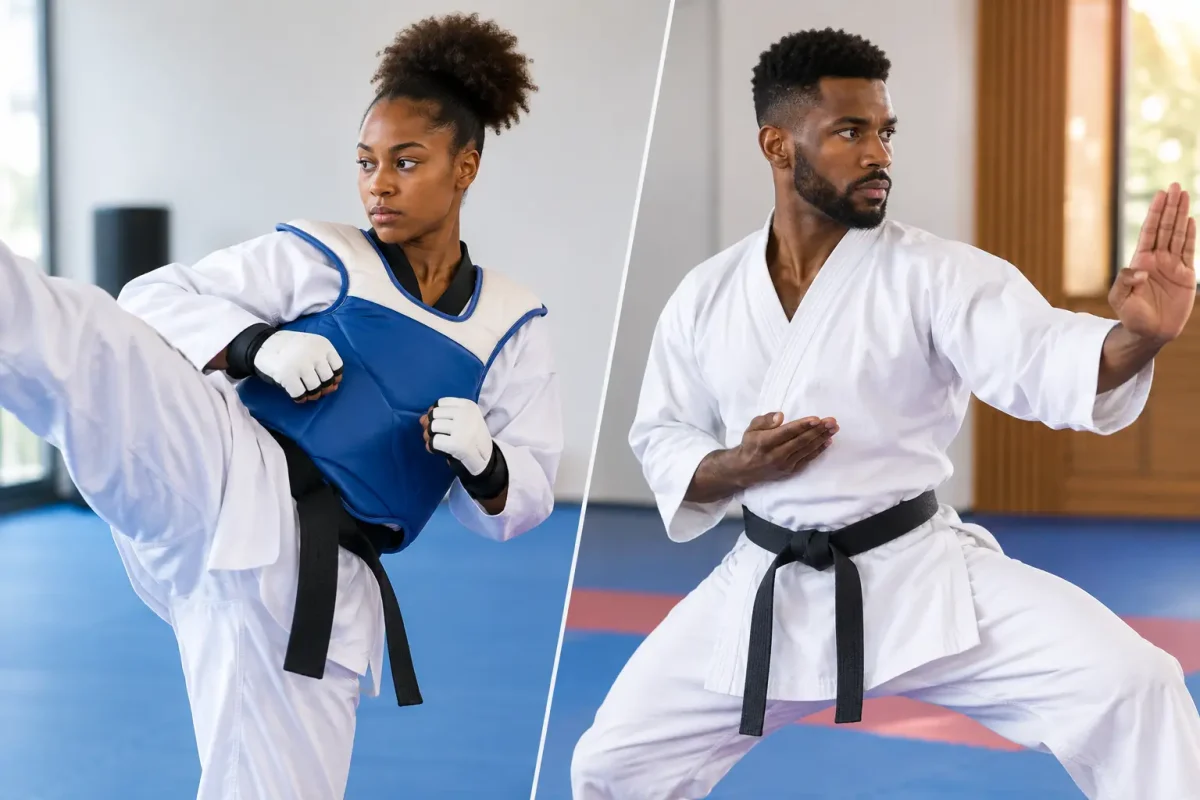
How Kids Taekwondo Progress Builds Real Discipline
October 12, 2026
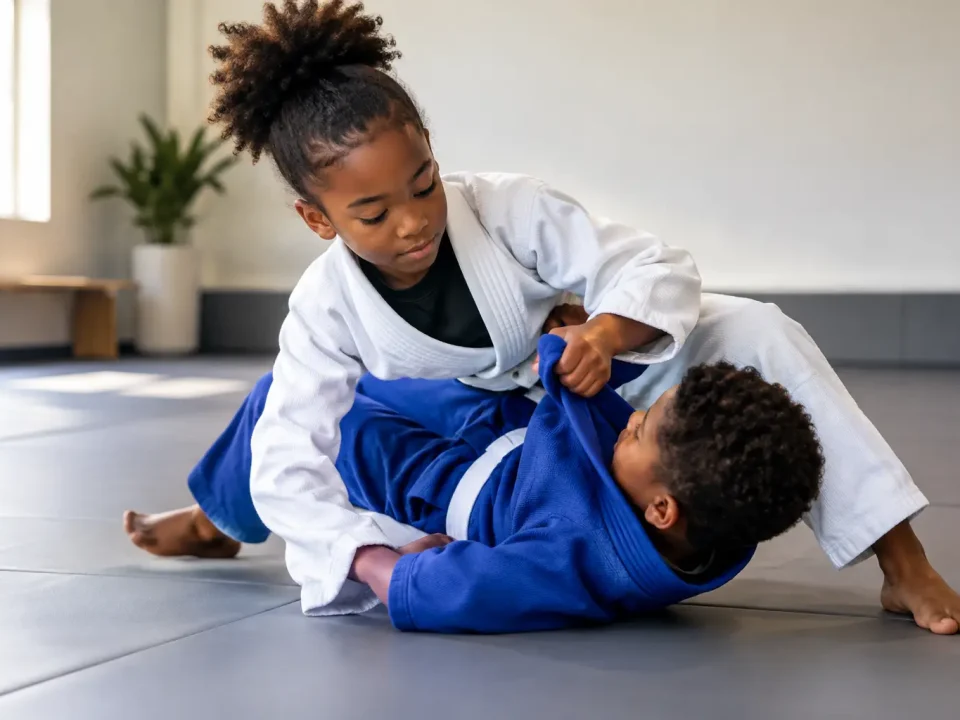
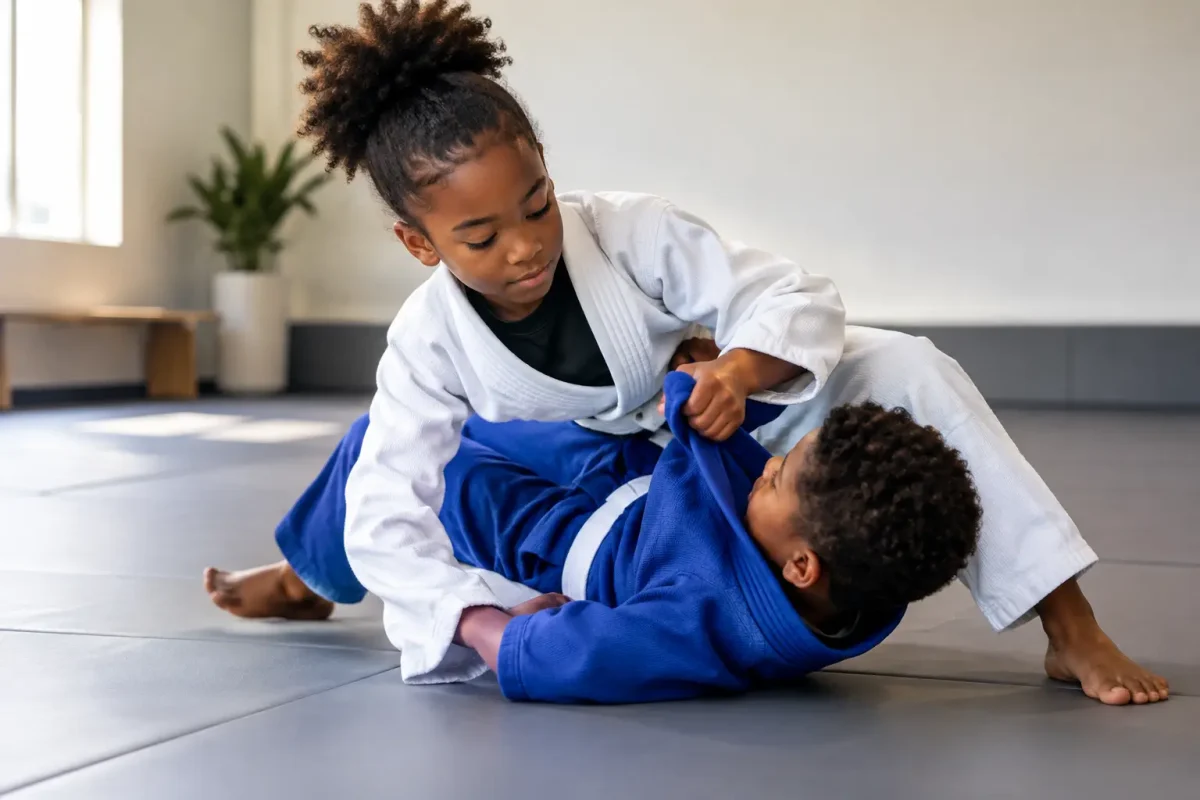
Top Benefits of Youth Jiu Jitsu for Children
October 16, 2026

The first strength session shouldn’t leave you unable to sit down for three days. It should leave you thinking, “I can do that again.” That’s how to start strength training safely: with enough challenge to create progress, enough control to protect your body, and enough structure to make training a habit rather than another short-lived burst of motivation.
Strength training isn’t reserved for bodybuilders or athletes. It’s a practical skill for adults who want more energy, stronger joints and a calmer response to stress. It can also help children and teens build confidence, coordination and respect for process when it’s taught with age-appropriate coaching. The goal isn’t to prove how hard you can train on day one. The goal is to become someone who trains consistently.
How to start strength training safely: earn the right to progress
Safety doesn’t mean avoiding effort. It means matching the exercise, load and volume to your current capacity. A beginner can work hard, but hard should be defined by good movement and focused attention, not by dizziness, sharp pain or collapsing technique.
Start by accepting a simple principle: your body adapts after training, not during it. The session provides the signal. Sleep, food, recovery and sensible repetition allow the adaptation to happen. If you do far more than you can recover from, you don’t accelerate progress. You interrupt it.
Before beginning, consider your current health, previous injuries and medications. If you’ve chest pain, unexplained shortness of breath, fainting episodes, uncontrolled blood pressure, recent surgery, or a condition affecting your heart, bones or joints, speak with a qualified healthcare professional before training. The same applies if persistent anxiety, depression, chronic pain or fatigue is making daily life difficult. Training can be a powerful support, but it should sit alongside appropriate care, not replace it.
For most people, the safest starting point is two full-body sessions per week on non-consecutive days. That schedule gives you room to learn, recover and notice how your body responds. Discipline over motivation means choosing a plan you can repeat even in a busy week.
Build a baseline before chasing heavier weights
You don’t need to pass a fitness test before you’re allowed to lift. You do need an honest baseline. Notice how you squat to a chair, get up from the floor, carry shopping, press your hands against a wall and walk up stairs. These movements reveal useful information about balance, mobility, coordination and confidence.
A coach can assess these patterns in more detail, but you can begin with curiosity rather than judgement. If a bodyweight squat feels unsteady, use a chair or box as a target. If a floor press feels intimidating, start with an incline press against a bench or wall. Regression isn’t failure. It’s intelligent positioning.
Keep the first few weeks deliberately modest. Use a weight that allows you to complete each repetition with control and still feel that you could perform two or three more. This is often described as leaving repetitions in reserve. It prevents beginners from turning every set into a test of survival.
Your technique won’t be perfect at the beginning. Nobody’s is. The standard isn’t perfection; it’s repeatable control. Can you keep your feet stable, breathe without panicking, and move through a comfortable range without twisting or rushing? If yes, you’ve a foundation to build on.
Choose simple movement patterns
A safe strength programme doesn’t require dozens of exercises. It needs a few patterns performed consistently, with gradual progress. Most beginners benefit from practising a squat, a hinge, a push, a pull, a carry and basic trunk control.
A squat might begin with a chair squat or goblet squat. A hinge could be a light kettlebell deadlift from an elevated position, where the weight starts higher than the floor. Push movements include wall press-ups, incline press-ups or dumbbell presses. Pulling can be practised with a resistance band row, cable row or supported dumbbell row. Carries may be as simple as walking slowly while holding light weights at your sides.
These exercises train the body to produce and resist force in ways that transfer to ordinary life: lifting a child, moving furniture, carrying bags and maintaining posture when tired. For martial artists, they also build the base for stronger strikes, steadier stances and more resilient movement.
Begin with one or two sets of six to 12 controlled repetitions for each exercise. For carries, try short walks with a load you can hold without leaning, gripping desperately or holding your breath. Rest long enough to regain composure, often one to two minutes. Rushing through a session may feel intense, but beginners usually benefit more from quality repetitions than exhaustion.
Use discomfort as information, not a command
Muscle effort, warmth and mild next-day soreness can be normal. Sharp pain, joint pinching, numbness, tingling, dizziness and sudden weakness aren’t signals to push through. Stop the movement, reduce the range or load, and seek professional guidance if symptoms persist or are severe.
There’s an important middle ground here. Many people quit because normal effort feels unfamiliar. Others ignore warning signs because they believe suffering proves commitment. Neither approach builds resilience. Real resilience is the ability to listen accurately, adjust without drama and return to training.
Your nervous system matters too. If you arrive overloaded from work, family demands, poor sleep or anxiety, your coordination and tolerance for challenge may be lower that day. This doesn’t mean you’ve failed. It means your training should match the reality of your system. Reduce the load, shorten the session, focus on breathing and leave with a win.
A regulated session is often more productive than an aggressive one. Between sets, allow your breathing to slow. Keep your jaw and shoulders relaxed. Notice whether you’re bracing with purpose or simply tensing in fear. Strength is physical, but it’s also the practice of staying present under manageable pressure.
Progress slowly enough to stay in the game
Progress doesn’t need to be dramatic to be real. Add a repetition, improve your control, use a slightly fuller range of motion, or increase the weight by the smallest available amount. Change one variable at a time. If you add weight, don’t also double the number of sets and cut your rest periods.
Keep a simple training record. Write down the exercise, weight, repetitions and how the session felt. Over time, this turns vague impressions into evidence. You’ll see that the weights which once felt intimidating have become ordinary. Confidence grows from proof.
Recovery is part of the programme. Aim for regular sleep, enough food to support your activity, hydration and light movement on rest days. You don’t need a flawless routine. You need a routine that supports consistency more often than not. If soreness is intense enough to change the way you walk or lasts several days, reduce the next session rather than trying to punish yourself into toughness.
Train under guidance when you can
Online videos can demonstrate exercises, but they can’t always see when your knees are collapsing inward, your back is compensating, or your nervous system is overwhelmed. A qualified coach provides feedback, progression and accountability. For beginners, that guidance can turn uncertainty into momentum.
This is particularly valuable for people managing ADHD, autism, anxiety or depression. Clear routines, predictable session structures and coaching that respects sensory and emotional needs can make exercise feel accessible rather than threatening. You don’t need to fit a gym stereotype to train well. You need an environment where standards are clear and support is real.
At Edson Breedy Athletics, strength work is approached as part of a wider mind-body practice: build capability, practise discipline and develop the confidence to meet difficulty without running from it.
Start lighter than your ego wants. Finish with enough energy to return. Then show up again. The strongest version of you isn’t built in one heroic workout, but in the quiet decision to keep your promise to yourself.
Train your mind. Build your body.
Your first week is just TTD $50, every discipline, every class, no experience needed. Come find out what training with EBA feels like.