Why Choose a Doctor Designed Martial Arts Academy
July 24, 2026
Why Family Martial Arts Classes Build Resilience
July 28, 2026
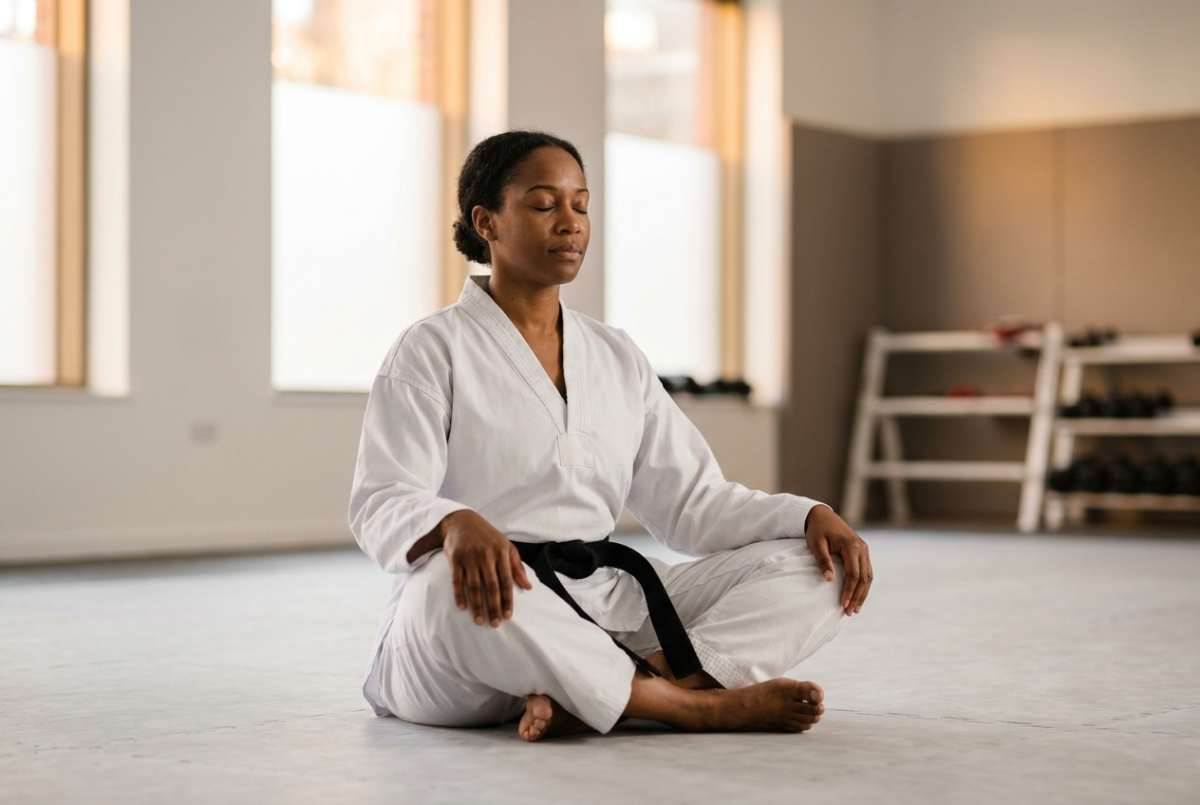
The real test of training isn’t how controlled you look when everything is easy. It’s what happens when you’re tired, frustrated, overstimulated, criticised, or under pressure. The best martial arts for emotional regulation give you a structured place to practise that response: breathe, focus, make a decision, and move forward without letting the feeling take over.
That doesn’t mean martial arts should make you emotionless. Anger, fear, disappointment and excitement all carry useful information. The goal is to create space between the feeling and the reaction. Through repetition, physical effort and skilled coaching, training can teach the nervous system that challenge is manageable.
For children, this may look like pausing before a meltdown, listening after losing a game, or returning to a task after making a mistake. For adults, it can mean leaving work stress on the mat, responding rather than snapping at home, and building a routine that doesn’t depend on motivation. Discipline over mood. Practice over impulse.
What martial arts can teach the nervous system
Emotional regulation is the ability to notice an emotional state, tolerate it and choose a useful response. It isn’t a switch that turns on after one hard session. It’s a skill built through consistent exposure to manageable stress.
A well-run martial arts class creates that exposure. There are rules to follow, techniques to remember, bodies moving nearby, feedback from a coach, moments of success and moments when a technique simply doesn’t work. This is controlled pressure. The student learns to remain present inside it.
Breathing is central. So is posture. A person who can reset their stance, unclench their jaw and follow a simple instruction after a difficult round is practising more than sport. They’re rehearsing a calmer response pattern.
The quality of coaching matters as much as the style. A class that glorifies aggression, humiliates beginners or allows chaos is unlikely to support regulation. Look for clear boundaries, predictable structure, appropriate challenge and coaches who correct firmly without shaming. This is especially important for trainees with ADHD, autism, anxiety or depression, who may need consistency and sensory awareness rather than pressure for pressure’s sake.
The best martial arts for emotional regulation depend on the person
There’s no single discipline that’s best for every nervous system. The right choice depends on age, temperament, sensory preferences, injury history, confidence level and what a person finds difficult. Some people regulate through sharp, rhythmic striking. Others need the slower problem-solving of grappling. Some need traditional structure before they’re ready for live contact.
Taekwondo: structure, focus and controlled power
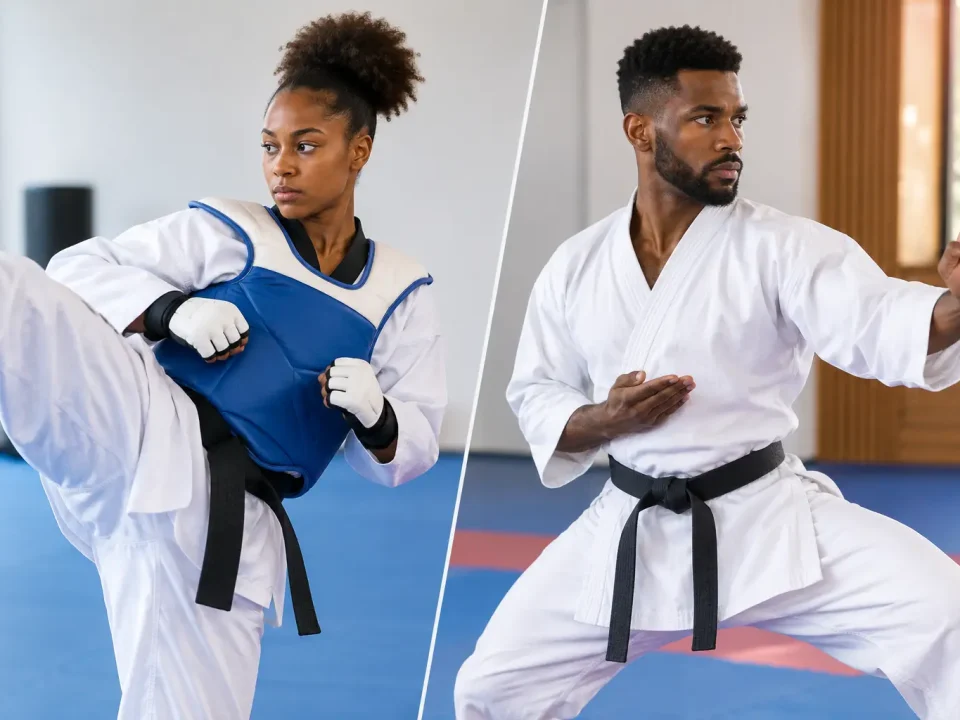
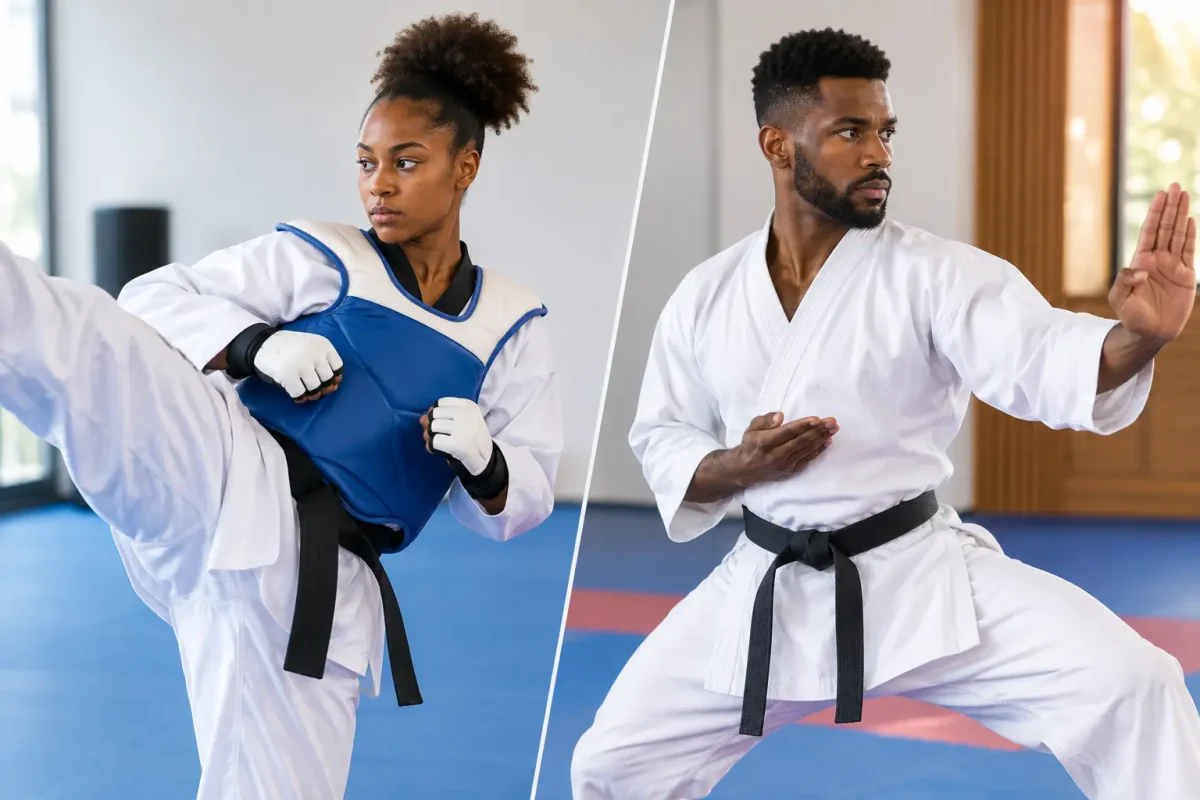
Taekwondo is often an excellent starting point for children, teens and adults who benefit from clear routines. Classes commonly include lines, patterns, drills, commands and rank progression. That structure can reduce uncertainty and give trainees a visible path forward.
The kicking practice also develops balance, coordination and body awareness. A student can’t throw a controlled kick while mentally scattered. They must settle their base, direct attention and manage force. For a child who struggles with impulsivity, the instruction to wait, listen and execute precisely can become a powerful habit.
Taekwondo may be particularly suitable for people who want discipline without beginning immediately with close-contact grappling. However, the experience varies widely between schools. Look for technical teaching and thoughtful partner work, not a belt-focused system where progress is handed out without effort.
Boxing and kickboxing: releasing pressure without losing control
Boxing and kickboxing can be highly effective for adults and older teens carrying stress, anger or restless energy. The pad work is immediate: a combination demands attention, timing, footwork and breathing. Your mind has less room to rehearse the argument from work when you’re concentrating on a jab-cross-hook sequence.
The value isn’t simply in hitting something. It’s in learning to hit with control. A good coach teaches composure under fatigue, safe technique, respect for training partners and the ability to recover between rounds. Those short recovery periods matter. They show the body that exertion can rise, peak and settle again.
For some people, especially those with a history of trauma or heightened sensitivity to noise and intensity, a crowded striking class can feel overwhelming at first. Starting with technical drills, bag work or smaller classes may be the better route. Challenge should stretch the nervous system, not flood it.
Jiu-jitsu: problem-solving under pressure
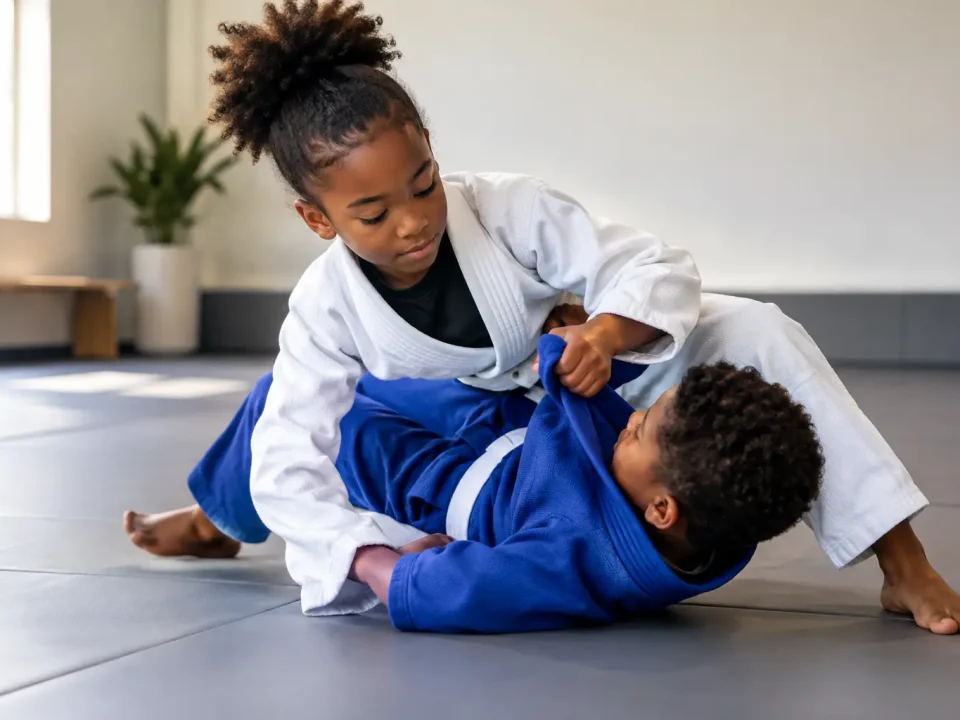
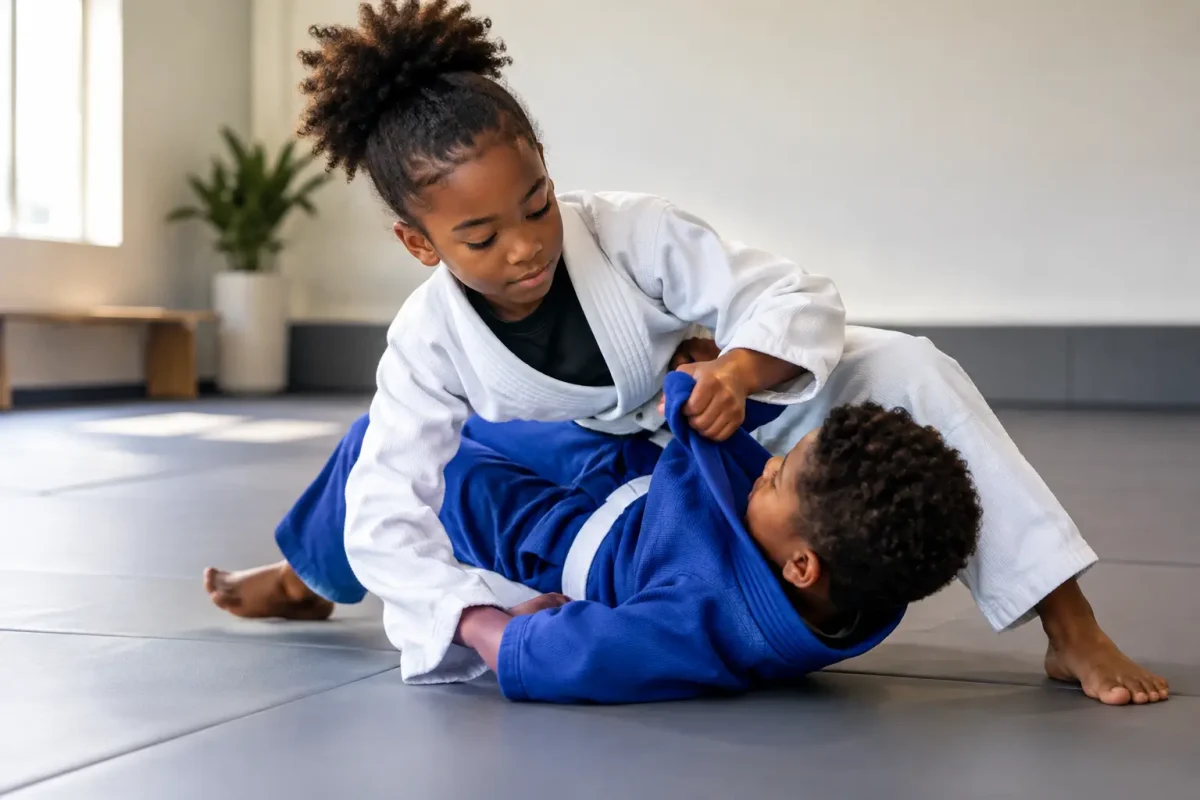
Jiu-jitsu offers a different kind of emotional training. You may be pinned, out-positioned or repeatedly stopped by someone with more experience. The instinct may be to panic, force the movement or quit mentally. The practice is to breathe, assess the position and solve one problem at a time.
That makes jiu-jitsu valuable for developing patience, humility and resilience. It rewards technique over frantic effort. A smaller trainee can learn that being under pressure doesn’t mean being powerless, while a stronger trainee learns that force alone isn’t a strategy.
The trade-off is proximity. Grappling involves close physical contact, uncertainty and frequent mistakes in front of others. That can be deeply beneficial for some trainees and uncomfortable for others. Beginners need a respectful culture, clear consent around drills and coaches who can adapt the pace without making anyone feel singled out.
Yoga: the recovery skill many fighters neglect
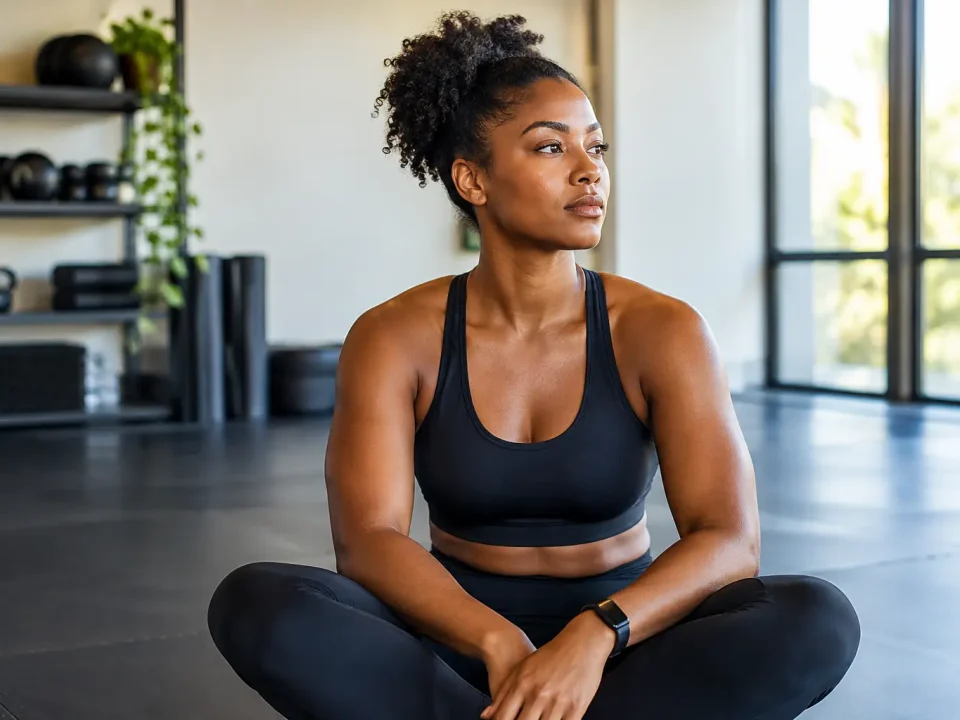
Yoga isn’t a martial art, but it belongs in any serious conversation about regulation. Martial arts teach you to operate under pressure. Yoga can teach you to notice tension before it becomes a reaction, restore breathing and recover with intention.
For people managing anxiety, poor sleep, chronic stress or a body that stays on high alert, this quieter training can be a necessary counterweight to hard rounds. Mobility work, balance, breath control and stillness strengthen awareness of internal signals. You learn when to push and when to reduce the load.
This isn’t a choice between intensity and calm. The strongest training plans include both. A person who can work hard but never downshift isn’t fully regulated. They’re simply conditioned to stay activated.
How to choose the right class for you or your child
Start with the outcome, not the uniform. If your child needs routine, confidence and better listening skills, Taekwondo may provide the clearest framework. If you need a healthy outlet after a demanding day, boxing or kickboxing may give you focused physical release. If you want to become calmer in uncomfortable situations and enjoy tactical learning, jiu-jitsu may be the right challenge.
Then assess the environment. Visit or take a trial week and pay attention to what happens when someone makes a mistake. Are beginners given real instruction? Are children redirected calmly? Does the coach explain expectations? Is intensity earned through progression, rather than demanded on day one?
Ask whether classes can be adapted for sensory needs, attention differences or anxiety. Neurodiversity-friendly training doesn’t mean lowering standards. It means presenting standards clearly, allowing appropriate adjustments and understanding that progress may not look identical for every student.
At Edson Breedy Athletics, the aim isn’t to use martial arts as a quick fix for difficult feelings. It’s to build the habits that make regulation more available: consistent attendance, clear coaching, effort, recovery and accountability. A doctor-designed approach should respect both the mental and physical side of training.
Make regulation a training habit, not a rescue plan
Don’t wait until stress has already become an explosion before looking for support. Choose two or three training sessions each week that you can realistically maintain. Arrive early enough to settle. After class, take a minute to notice what changed: your breathing, tension level, mood or confidence.
Parents can reinforce the lesson without turning the car ride home into another lecture. Ask, “What was challenging today?” or “What did you do when it got difficult?” Praise the return to effort, not only the kick, the win or the stripe. That’s where resilience grows.
Martial arts aren’t a replacement for medical care, counselling or other professional support when those are needed. But they can be a meaningful part of a wider plan for wellbeing. The mat gives you a place to practise choices before life asks for them at higher stakes.
Start where you’re. Choose a class with standards, safety and coaching you can trust. Then keep showing up, especially on the days you feel like negotiating with yourself. Calm isn’t a personality trait. It’s a capacity you train.
Train your mind. Build your body.
Your first week is just TTD $50, every discipline, every class, no experience needed. Come find out what training with EBA feels like.