A Structured Fitness Programme for Beginners
July 22, 2026
Best Martial Arts for Emotional Regulation
July 26, 2026
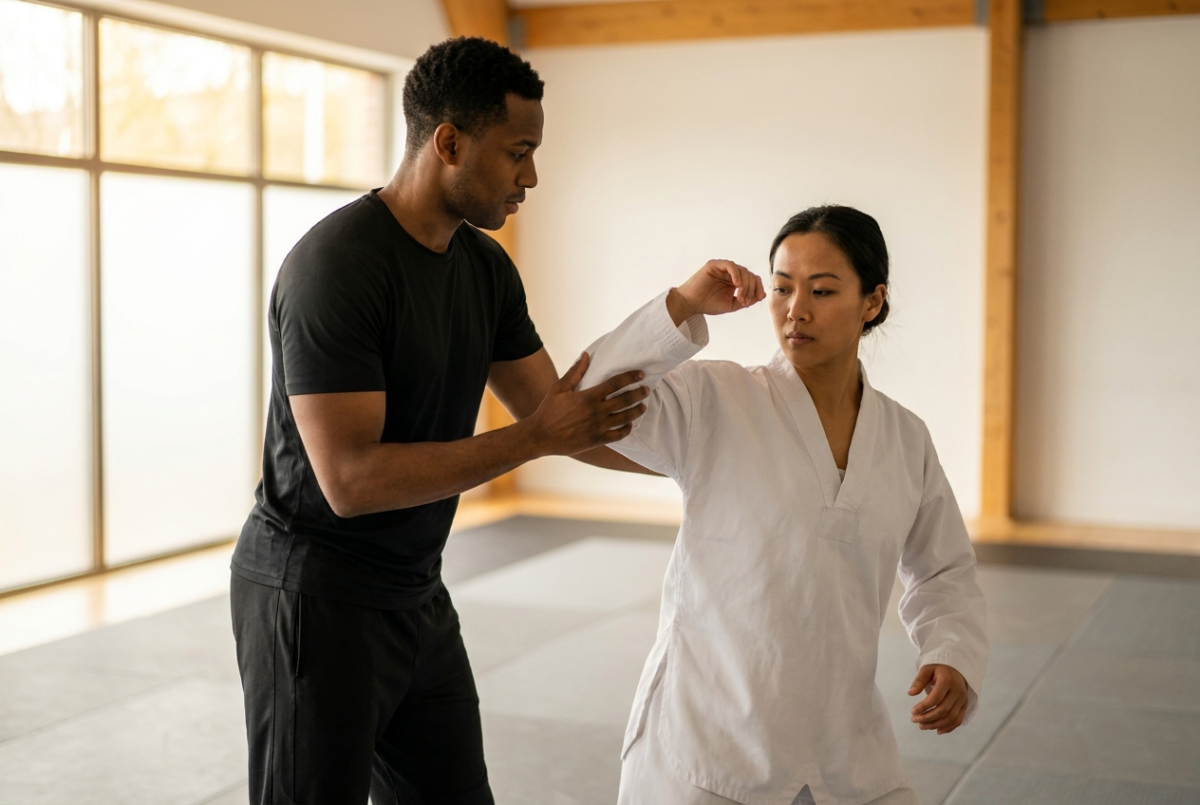
A hard training session should do more than leave you tired. It should leave you steadier. A doctor designed martial arts academy is built around that standard: physical skill, clear structure and coaching that understands the connection between the body, the brain and behaviour. You aren’t simply learning to punch, kick or get fitter. You’re practising how to return to focus when pressure rises.
For a child, that may look like following instructions, managing frustration and standing with confidence. For an adult, it may mean releasing stress without carrying it home, rebuilding self-trust or finally committing to a routine. The techniques matter. The system around them matters just as much.
Training isn’t separate from mental strength
Many people join a gym when motivation is high. They leave when life becomes busy, stressful or uncertain. That’s the weakness of motivation alone: it changes with your mood. Discipline gives you something more reliable.
Martial arts creates discipline through repetition. You arrive. You warm up. You listen. You practise a skill. You make corrections. You continue when the movement feels awkward. Over time, your nervous system learns that challenge doesn’t always mean danger and that discomfort doesn’t require escape.
This doesn’t mean training should be harsh, intimidating or careless. It means standards should be clear. A well-run class has routines, boundaries and measurable progression. Members know what’s expected, what they’re working towards and how to improve. That certainty can be deeply valuable for people whose days already feel demanding or unpredictable.
At Edson Breedy Athletics, martial arts and fitness are treated as tools for identity change. The goal isn’t to create the loudest person in the room. The goal is to develop a person who can regulate themselves, act with purpose and keep going.
What makes a doctor-designed martial arts academy different?
A doctor-designed approach brings a wider lens to training. It recognises that movement affects mood, sleep, concentration, stress response and confidence, while also recognising that every person arrives with a different history and capacity.
The instructor isn’t there to diagnose or replace mental health care. Training isn’t a substitute for clinical treatment when treatment is needed. But a psychologically informed academy can provide something that many people lack: a consistent, supportive place to build healthy patterns through action.
Structure helps the nervous system settle
The nervous system responds well to predictability. When a member knows the rhythm of a class, the expectations of the coach and the steps of a drill, they can spend less energy scanning for uncertainty. This is particularly useful for beginners, children and people who experience anxiety.
Predictability isn’t the same as boredom. In martial arts, familiar structure gives trainees a stable base from which they can handle new challenges. A new combination, a sparring drill or a difficult stretch becomes manageable because the environment itself feels organised.
Intensity needs intelligent coaching
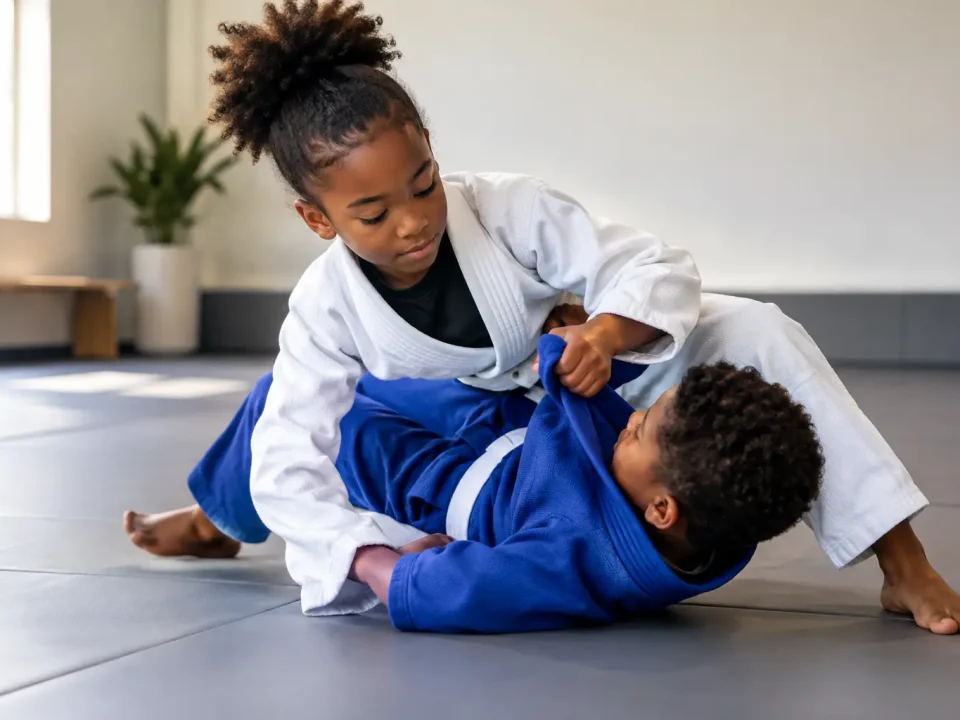
Hard work is valuable. Uncontrolled intensity isn’t automatically better. Boxing, kickboxing, Taekwondo and jiu-jitsu can all raise the heart rate and demand concentration, but the right level depends on the person, their experience and their goals.
A beginner may need to learn breathing, posture and safe movement before working at higher intensity. A stressed adult may benefit from pad work that releases tension, followed by deliberate recovery rather than being pushed beyond their limits. A young athlete may need challenge, but also help learning how to lose a round, receive correction and try again without shutting down.
Good coaching knows when to press and when to pause. Discipline isn’t punishment. It’s the ability to do what serves your long-term development.
Progress is more than belts and calories
Belts, sharper technique, increased strength and improved fitness are meaningful markers. They aren’t the only evidence that training is working. Progress may also show up when a child speaks more clearly, when a teen returns after a difficult week, or when an adult notices they react less impulsively under pressure.
These changes can’t always be measured on a scale. They’re still real. The ability to recover after a mistake, hold attention during instruction and respect your own commitment carries into school, work, family life and community.
A place for children, adults and beginners
Families often want an activity that gets children away from screens and moving. That’s a fair starting point. But the right academy should offer more than supervised exercise. It should help children practise respect, patience, courage and responsibility in a way they can understand.
For younger members, age-appropriate instruction matters. Children need clear rules, simple cues and regular encouragement. They also need accountability. Being told to reset their stance, focus their eyes or complete a drill teaches them that effort has a standard. Praise should be earned through attention and persistence, not handed out to avoid discomfort.
Teenagers need a different balance. They may be managing academic pressure, shifting identity, social anxiety or excess energy. Martial arts gives them a constructive place to test themselves without being judged for starting at the beginning. They can develop competence gradually, supported by coaching and a community that values progress over performance for show.
Adults often arrive believing they’re too unfit, too busy or too inexperienced to begin. Stop negotiating with yourself. Beginner status isn’t a weakness. It’s the first stage of learning. The right programme meets you where you’re, then asks you to become more consistent than you were last month.
Neurodiversity-friendly training requires more than kind words
People with ADHD, autism, anxiety or depression aren’t all looking for the same environment. Some thrive with lively, high-energy sessions. Others need clearer transitions, direct communication or time to understand a new drill. A genuinely inclusive academy doesn’t make assumptions.
It builds practical support into the way classes are coached. Instructions are broken into manageable parts. Expectations are stated plainly. Coaches can offer repetition, demonstration and constructive feedback without shame. Members are given room to progress without being treated as fragile.
There’s a trade-off here. A neurodiversity-friendly environment shouldn’t mean removing every challenge. Growth requires effort, correction and moments of frustration. The difference is that the challenge is purposeful, communicated clearly and delivered with respect.
For someone with ADHD, striking combinations and movement drills may support attention by giving the mind a clear, active task. For someone dealing with anxiety, controlled breathing, technical focus and a familiar class routine may provide a useful anchor. For someone experiencing low mood, regular attendance can create momentum on days when motivation is absent. Individual experiences vary, which is why attentive coaching matters.
Choosing the right discipline for your goal
There’s no single best martial art for everyone. Your best starting point depends on what will keep you engaged long enough to become skilled.
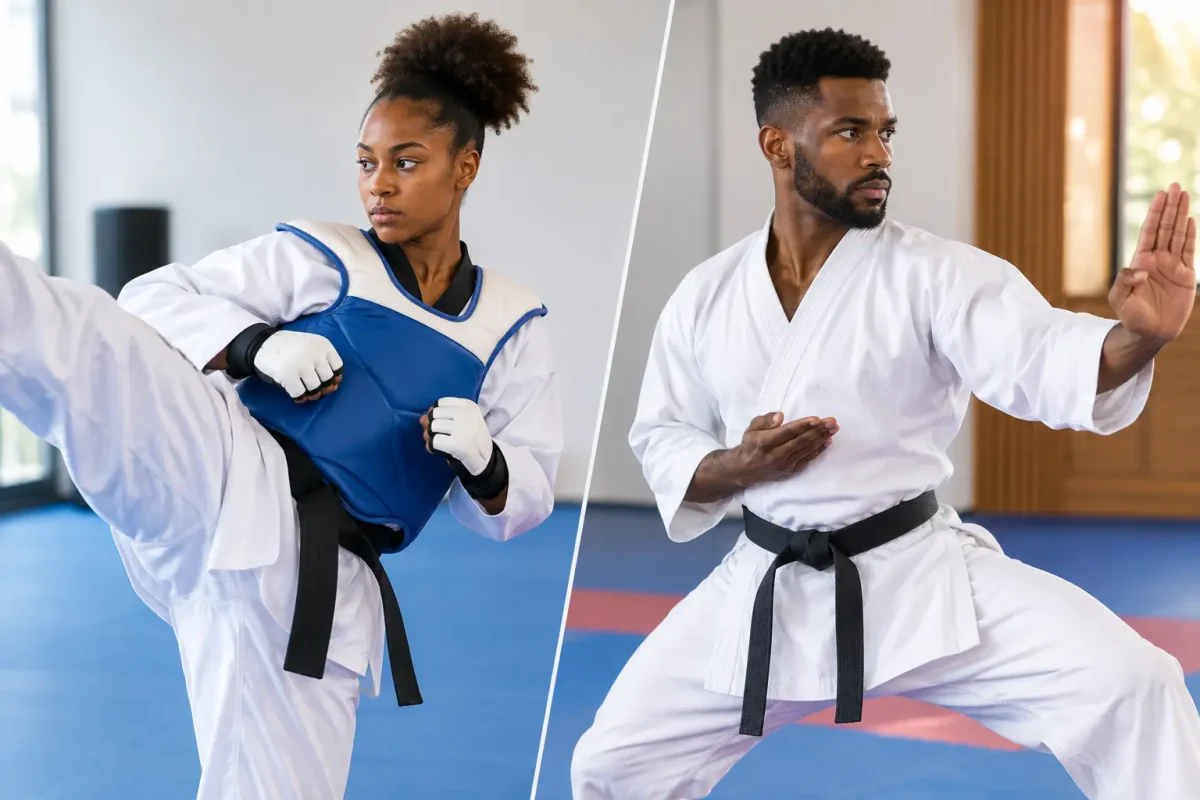
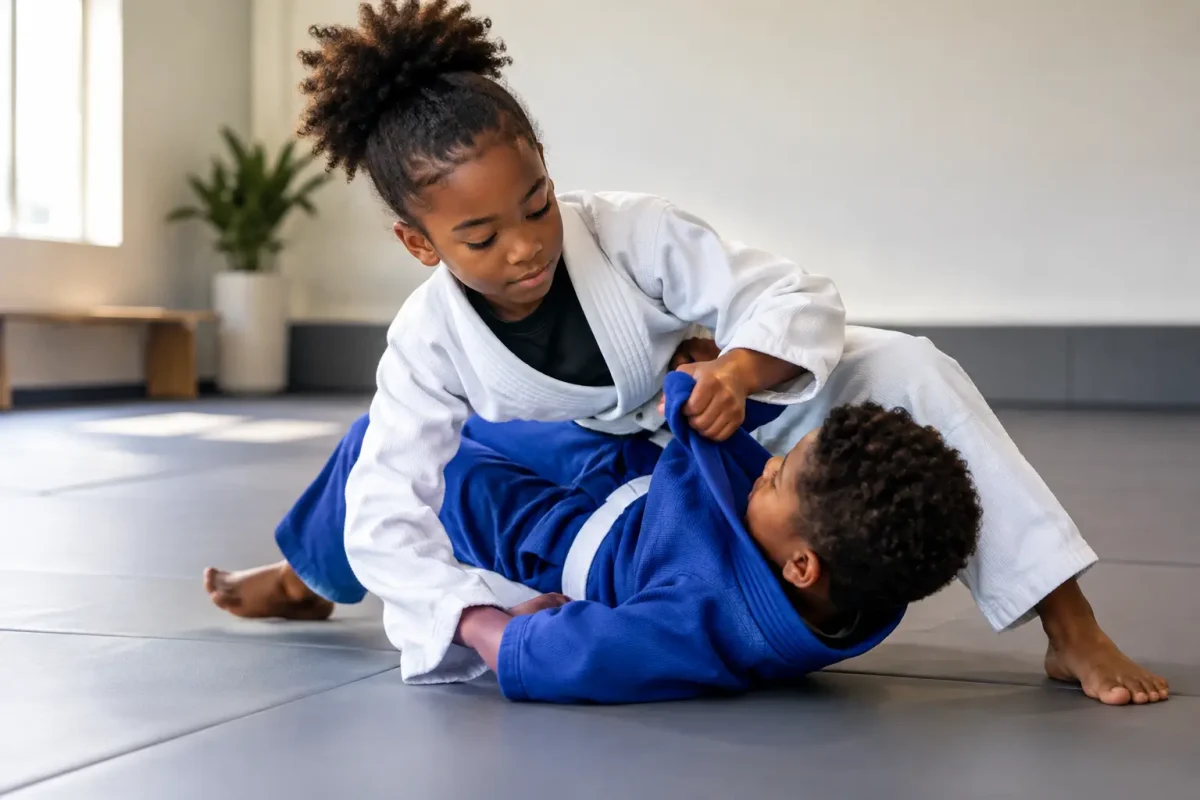
Taekwondo can suit those drawn to discipline, dynamic kicking and structured progression. Boxing and kickboxing offer demanding conditioning, timing and practical stress release through controlled pad work. Jiu-jitsu may appeal to people who enjoy problem-solving, positional awareness and close-range technique. Yoga and general fitness can strengthen mobility, recovery and body awareness alongside martial arts training.
The strongest choice is often not the discipline that looks most impressive online. It’s the one whose class environment, coaching style and timetable make consistent attendance realistic. A trial week is useful because it lets you experience the culture, not just read about it. Notice whether the coach knows the room, whether beginners receive guidance and whether you leave feeling challenged but capable.
Build the habit before you chase the result
Confidence isn’t a personality trait reserved for naturally bold people. It’s evidence collected over time. Each session you attend becomes proof that you can keep a promise to yourself. Each correction you accept becomes proof that you can learn. Each difficult round you finish becomes proof that pressure doesn’t have to control you.
Start where you’re. Train with intention. Let the routine do its work before demanding dramatic results. Your mind and body are always learning from what you repeatedly practise, so give them a standard worth carrying into the rest of your life.
Train your mind. Build your body.
Your first week is just TTD $50, every discipline, every class, no experience needed. Come find out what training with EBA feels like.