How to Choose a Martial Arts Class That Fits You
September 24, 2026
An ADHD Youth Training Success Story That Works
September 28, 2026
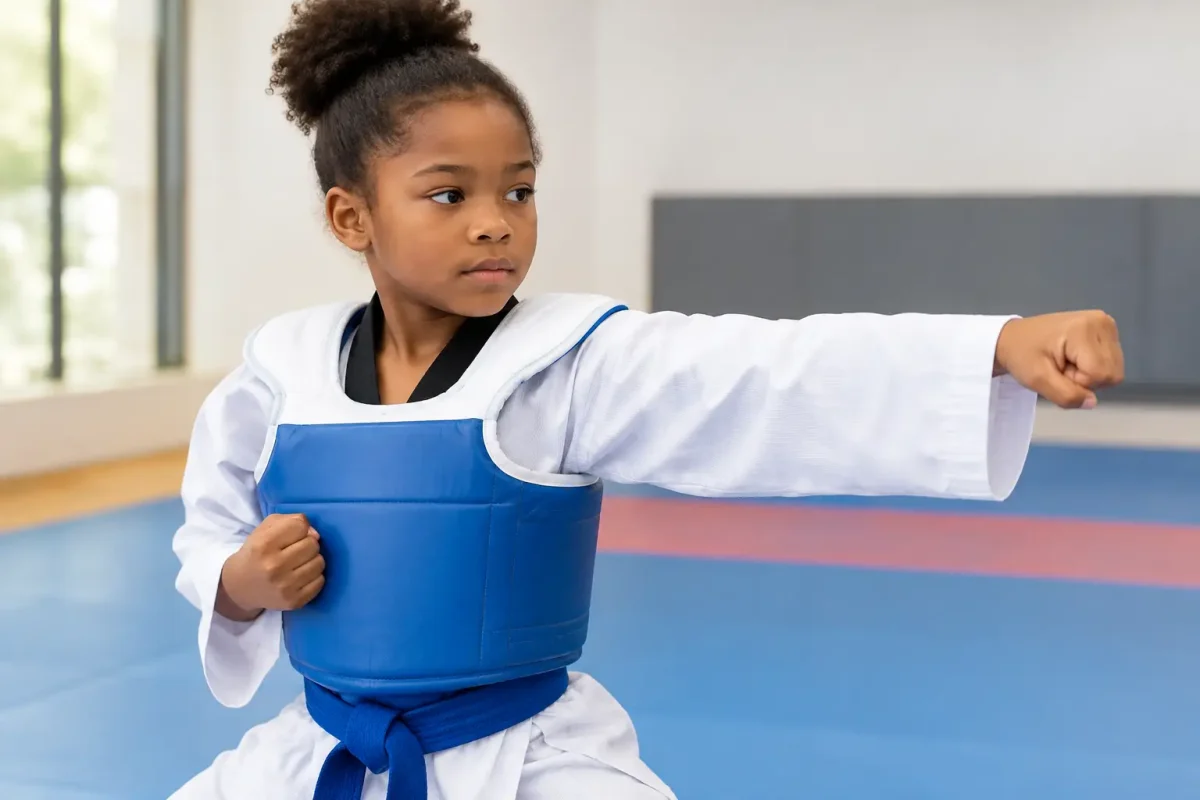
A shy child doesn’t need to be pushed into becoming the loudest person in the room. They need a setting where they can practise taking up space at their own pace. The best martial arts for shy children create that setting through clear routines, measurable progress and coaches who know that confidence is built through repeated evidence: “I was nervous, I tried, and I managed it.”
For many children, martial arts are more approachable than team sports. There’s less pressure to perform socially before they feel ready. A child can focus on their stance, breathing, balance and next instruction, then gradually become comfortable speaking up, partnering with others and leading by example.
Why martial arts can suit a shy child
Shyness isn’t a flaw to train out of a child. Some children are naturally observant, cautious or slow to warm up. The concern begins when anxiety, low self-belief or fear of judgement stops them joining in, making friends or trying new things.
A well-run martial arts class provides structure before social demand. The child knows where to stand, what happens first and what’s expected next. That predictability gives the nervous system fewer unknowns to manage. Instead of being told to “be confident”, they’re given a small task: hold a guard position, repeat a movement, complete a drill.
Progress also becomes visible. A new belt, a cleaner technique or the courage to work with a partner may look small from the outside. For a quiet child, these are meaningful wins. Discipline over motivation matters here. Confidence rarely arrives before action. It develops after consistent, supported action.
The right class shouldn’t confuse intimidation with growth. Firm standards are valuable. Humiliation isn’t. Children thrive when expectations are clear, corrections are respectful and effort is noticed alongside skill.
The best martial arts for shy children
There’s no single perfect style for every child. Temperament, age, sensory needs, confidence level and the quality of coaching all matter more than a style’s reputation. Still, some disciplines tend to offer particular advantages.
Taekwondo: structure, routine and visible progress
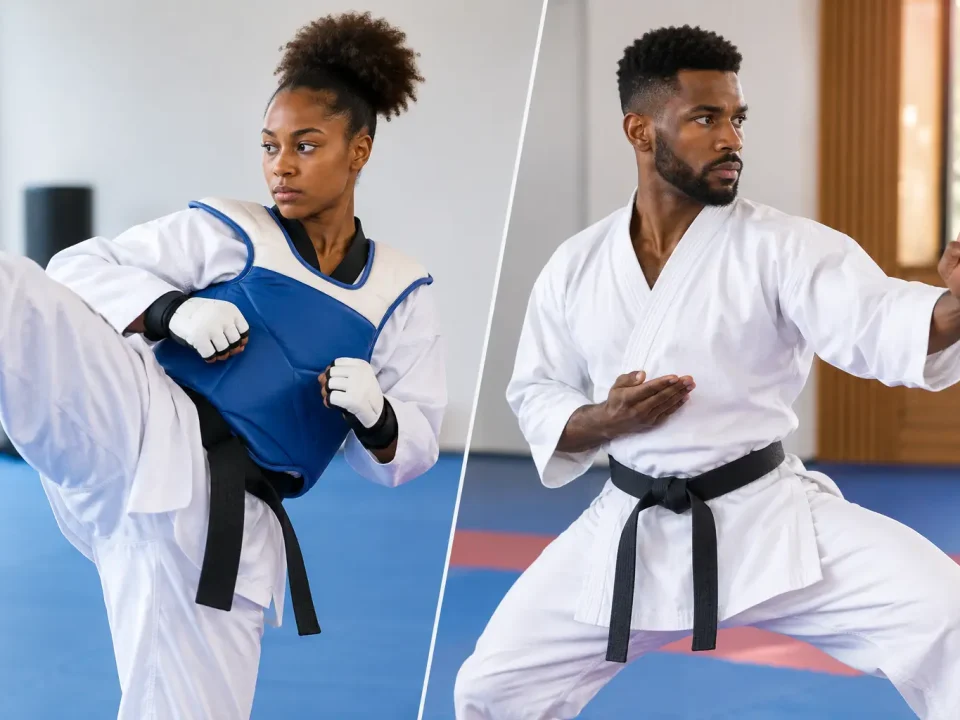
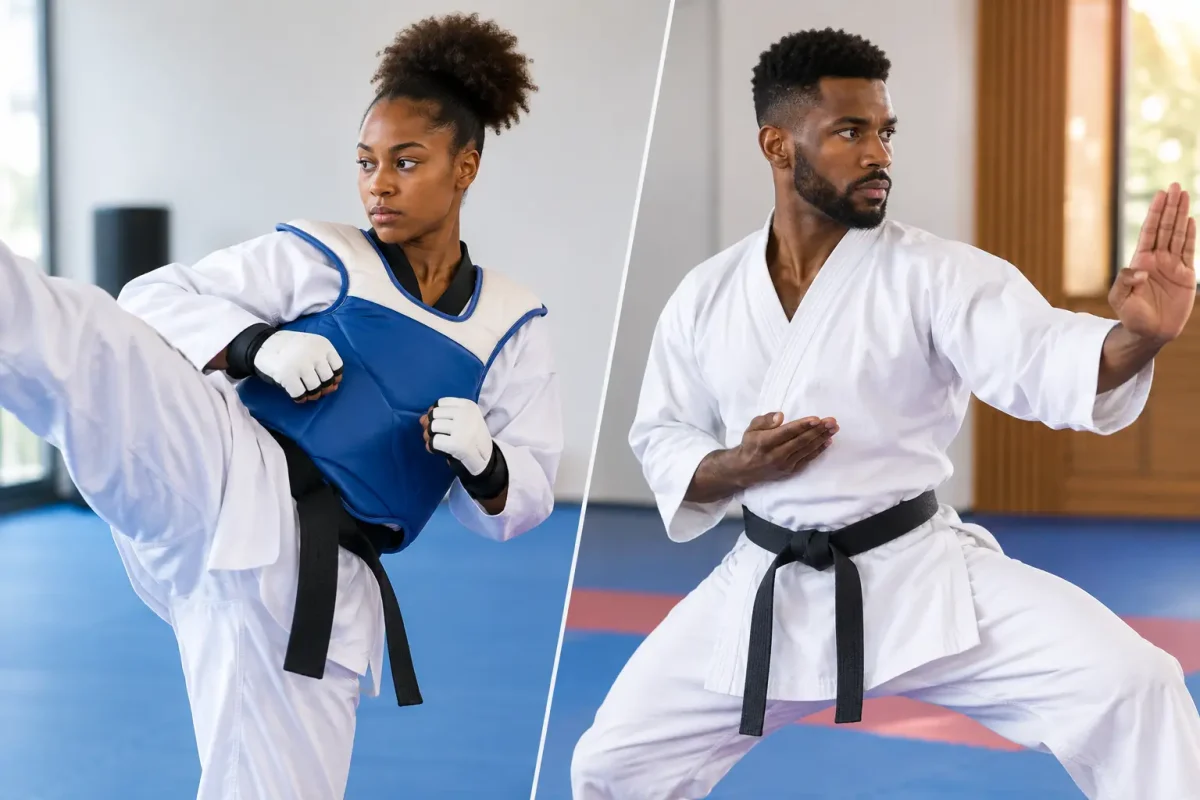
Taekwondo is often an excellent starting point for shy children because its classes are typically organised around clear lines, commands, forms and belt progression. Children learn sequences that can be practised repeatedly, which suits those who prefer time to observe and prepare before performing.
The striking is controlled, and classes often develop posture, coordination and vocal confidence through focused drills. A child who begins by speaking quietly may eventually learn to use a firm command during training, not because they’re forced to become someone else, but because their body learns what calm strength feels like.
Taekwondo may be particularly suitable for a child who benefits from routine and clear milestones. It can be less comfortable for a child who finds group demonstrations highly stressful, unless the instructor offers a supportive route into participation.
Brazilian jiu-jitsu: calm problem-solving under pressure
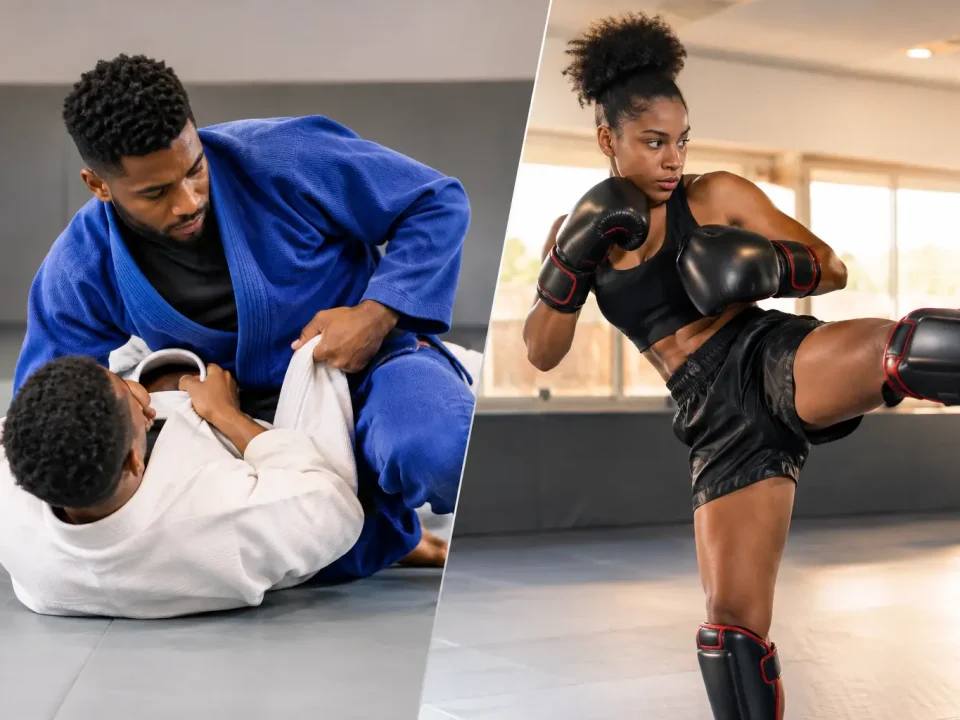
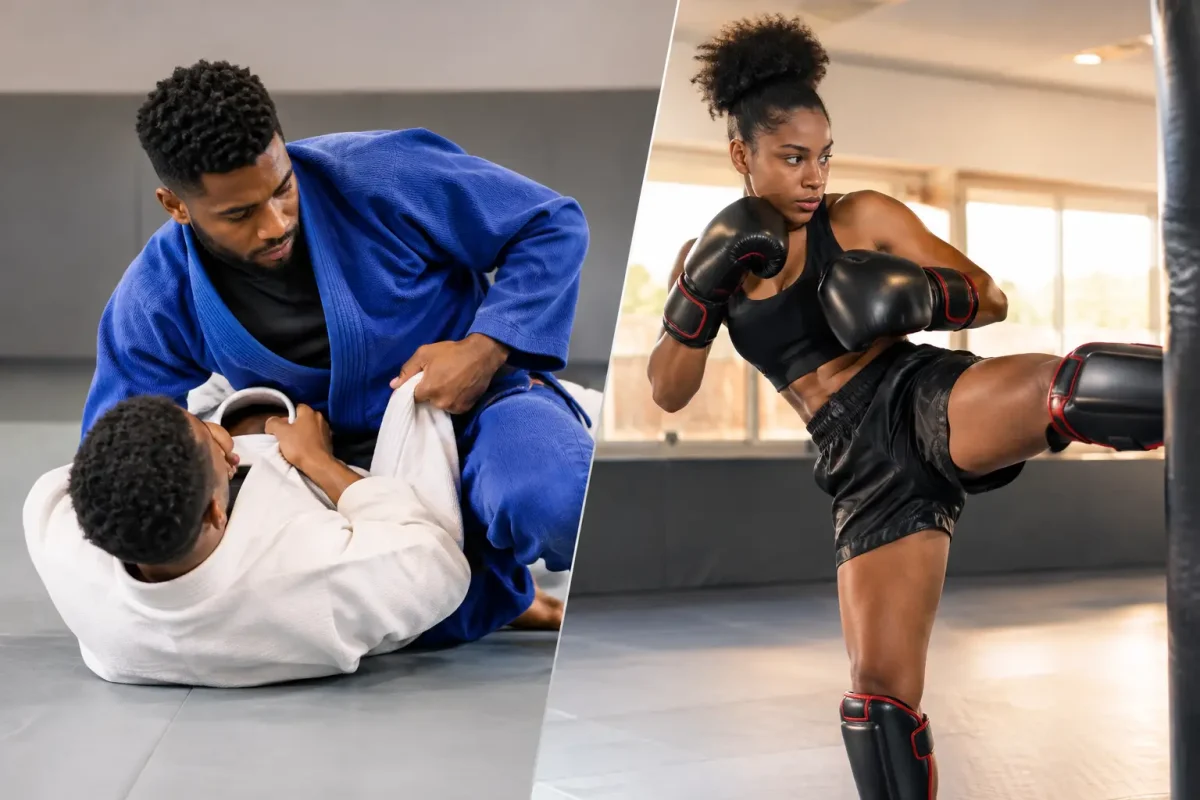
Brazilian jiu-jitsu teaches children to control position, escape safely and solve physical problems without relying on size or force. For a shy child, this can be deeply empowering. They discover that staying calm, thinking clearly and using technique can be more effective than reacting impulsively.
Because jiu-jitsu involves close-contact partner work, it isn’t an automatic fit for every child. Some children need more personal space at first, particularly if they’re anxious or have sensory sensitivities. A thoughtful coach will introduce partner drills gradually, match children carefully and never treat discomfort as something to ignore.
For children who enjoy puzzles and prefer quiet concentration to high-energy performance, jiu-jitsu can become a powerful confidence builder. It rewards patience, persistence and composure.
Boxing and kickboxing: boundaries and emotional regulation
Boxing and kickboxing can help a shy child develop a more grounded relationship with their body. Learning a stable stance, controlled punches and safe defensive movement creates a physical sense of capability. Pad work also offers a healthy outlet for stress, frustration and pent-up energy.
These disciplines must be taught with age-appropriate control. For children, the goal isn’t to encourage aggression. It’s to build self-control, coordination and respect for boundaries. Good coaching makes that distinction explicit: power without control isn’t strength.
A child who struggles to speak up may find that striking drills help them feel more assertive. They can practise being decisive with movement first. Over time, that can support clearer communication outside the training space too.
Traditional karate: focus and self-discipline
Karate often shares many strengths with Taekwondo: routine, forms, etiquette and a steady progression system. It can suit shy children who respond well to clear rituals and individual technical development. The culture of respect can also help children feel safe when it’s practised warmly rather than rigidly.
As with any discipline, the individual club matters. One karate class may be patient, encouraging and beginner-friendly. Another may expect children to adapt quickly to a highly intense environment. Observe before committing.
Choose the coach before you choose the style
Parents often compare martial arts styles while overlooking the deciding factor: the coach. A brilliant discipline taught in a chaotic or shaming environment won’t serve a shy child well. A skilled coach can make a challenging discipline feel structured, safe and achievable.
Look for instructors who learn names, explain drills clearly and correct behaviour without belittling children. They should be able to tell the difference between a child who needs a gentle invitation and one who needs a firmer boundary. They should also welcome a conversation about ADHD, autism, anxiety, sensory preferences or previous negative experiences in group activities.
At Edson Breedy Athletics, training is approached as mind-body development, not simply exercise. That matters for children who need more than a place to burn energy. They need coaching that respects how stress, attention, confidence and behaviour are connected.
A strong instructor doesn’t promise instant transformation. They create the conditions for it: consistent routines, attainable challenges, safe correction and repeated opportunities to recover after mistakes.
What to look for in a first class
The first session isn’t a test of whether your child is “tough enough”. It’s a chance to assess fit. Let them watch if they need to. Some children join straight in; others need a few minutes at the side of the room before their nervous system settles.
Pay attention to whether the coach explains what will happen and gives children time to process instructions. Notice how more experienced students treat beginners. A healthy class has standards, but it also has patience.
The following signs are worth taking seriously:
- Your child is nervous before class but calmer or quietly proud afterwards.
- The instructor can offer alternatives when a drill feels overwhelming.
- Contact, competition and sparring are introduced progressively rather than rushed.
- Children are praised for effort, attention and respectful conduct, not only talent.
- Your child wants to return, even if they’re still hesitant.
A little discomfort is normal when trying something new. Distress that worsens every week, fear of the instructor or pressure to spar before a child is ready aren’t signs to ignore.
Help your child stay with it long enough to grow
Avoid asking, “Did you make friends?” the moment class ends. Social connection may come later. Start with simpler questions: “What did you practise?” “Which part felt easiest?” “Was there one thing you did that was brave?” These questions help your child notice progress without turning every session into a social performance review.
Consistency matters more than an impressive start. The first few weeks may involve standing quietly at the back, copying others and saying very little. That still counts. Their brain is learning the environment is predictable. Their body is learning new movements. Their confidence is being built beneath the surface.
Don’t negotiate with every moment of reluctance, but do listen closely. Encourage your child to attend consistently while keeping communication open about what feels difficult. The goal isn’t to remove every challenge. The goal is to teach them that they can meet challenge with support, skill and steady effort.
The best class won’t erase your child’s quiet nature. It’ll help them carry that quietness with more strength: shoulders back, mind settled, boundaries clear and a growing belief that they belong in the room.
Train your mind. Build your body.
Your first week is just TTD $50, every discipline, every class, no experience needed. Come find out what training with EBA feels like.