Best Martial Arts for Shy Children: A Parent’s Guide
September 26, 2026
7 Best After School Activities for Focus That Build Discipline
September 30, 2026
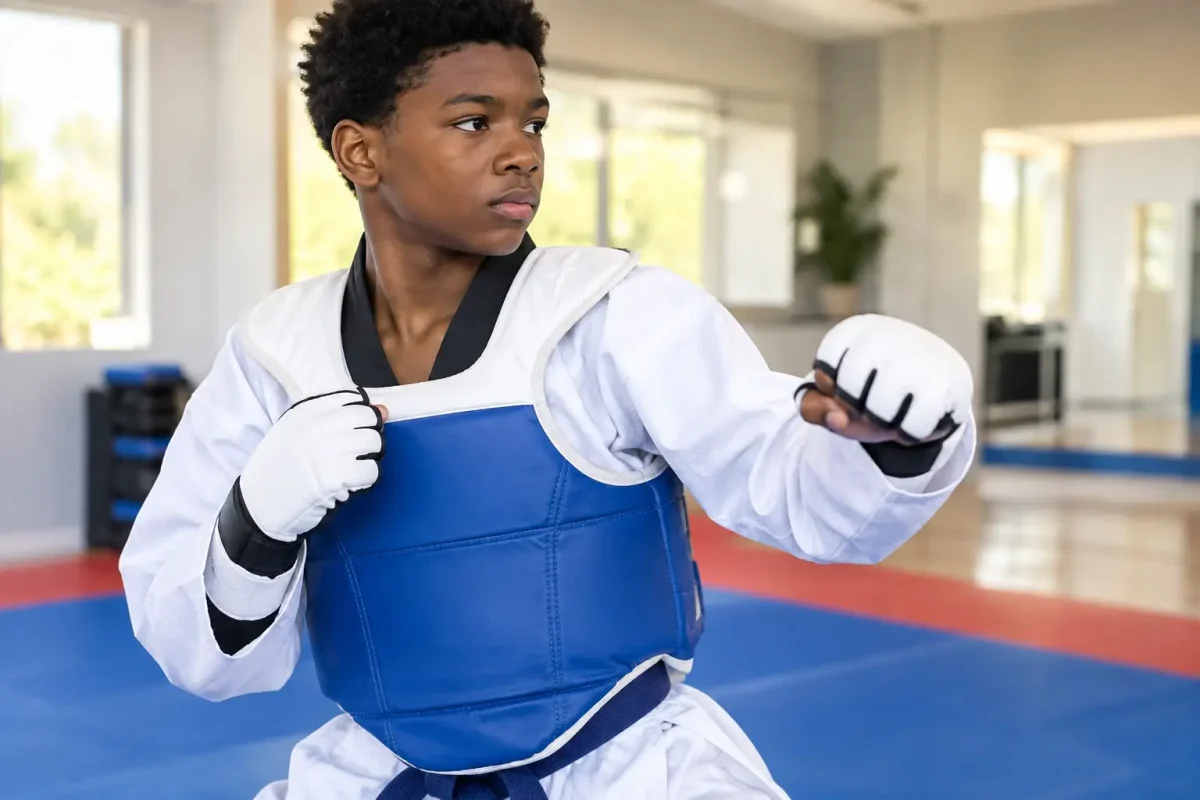
An ADHD youth training success story is rarely about a child suddenly becoming quiet, compliant or perfect. It’s about something far more valuable: a young person learning how to direct their energy, recover after frustration and trust themselves under pressure.
For many parents, the difficult moments happen outside the classroom. Homework becomes a battle. Transitions trigger arguments. A small setback can become a full emotional storm. The answer isn’t harsher discipline or endless reminders. Young people with ADHD often need structure they can feel, practise and repeat until it becomes part of how they move through the world.
That’s where purposeful physical training can make a real difference.
The ADHD Youth Training Success Story Behind the Result
Consider this composite story, based on the patterns many coaches and families recognise. A 13-year-old arrives at training after a difficult school day. He’s bright, funny and full of energy, but he struggles to wait his turn, loses track of instructions and becomes intensely frustrated when a technique doesn’t work immediately.
At first, his goal is simple: learn to box and get stronger. His parent wants something deeper. They want him to have a place where he’s challenged without being shamed, where his energy isn’t treated as a character flaw, and where progress has a clear path.
The first few weeks aren’t dramatic. He still forgets combinations. He still rushes. He still has days when he wants to quit after making a mistake. But the coach doesn’t label him lazy or careless. The coach shortens the instruction, demonstrates the movement, gives one priority at a time and brings him back to his breath when his body begins to race.
Over time, he learns a sequence: stance, guard, breathe, listen, move. He begins to understand that he doesn’t need to win every round to improve. He needs to return to the task.
That’s the shift. Not perfection. Return.
Three months later, his parent notices he’s packing his training gear the night before. He’s asking what belt or skill he needs to earn next. At home, he isn’t suddenly free from every challenge, but he has language for what’s happening. “I need a minute.” “Let me try again.” “I’m getting frustrated.”
Those aren’t small wins. They’re early signs of self-regulation, responsibility and confidence taking root.
Why Martial Arts Structure Can Help Young People With ADHD
ADHD isn’t a shortage of intelligence, potential or effort. It can involve differences in attention regulation, impulse control, working memory and emotional regulation. Young people may know what they’re expected to do, yet struggle to access that knowledge in the exact moment they need it.
Training offers an environment where the body and brain work together. A martial arts class has predictable boundaries: arrive, warm up, listen, practise, reset, finish. The session is active, but it isn’t chaotic. There’s movement with purpose.
For a young person whose mind feels crowded, that structure can be grounding. Repeated drills reduce the load of having to decide everything at once. Clear progress markers, such as improving a combination or earning a new grade, give effort a visible destination. Physical exertion can also help some young people arrive at a calmer, more regulated state after they’ve safely used their energy.
It depends, of course, on how the class is coached. A loud, humiliating or overly rigid environment may increase stress rather than build resilience. The goal isn’t to force every child into the same mould. It’s to provide firm expectations alongside skilled adaptation.
A good coach can say, “Eyes here. One step at a time. Reset and go again,” without reducing a young person to a diagnosis.
Discipline Is a Skill, Not a Personality Trait
Parents often worry that their child lacks discipline. But discipline isn’t something a young person either possesses or doesn’t. It’s built through repeated experiences of keeping a commitment, recovering from mistakes and seeing that effort produces change.
Training makes that process visible. A student who couldn’t hold a balanced stance for 20 seconds may hold it for a minute a few weeks later. A student who threw every punch at maximum speed may learn control, timing and accuracy. Each improvement sends a powerful message: “I can practise something difficult. I can get better.”
That belief matters well beyond the mat.
What Made This ADHD Youth Training Success Story Different
The difference wasn’t a secret technique. It was consistency combined with intelligent coaching.
The young person trained on a regular schedule rather than only attending when motivation appeared. Motivation changes quickly, especially after a hard day. Routine carries people through the days when motivation is absent. Discipline over motivation.
Instructions were clear and brief. Rather than offering five corrections at once, the coach chose the one correction that mattered most. The student was given time to practise before being asked to perform. Expectations remained high, but the route towards meeting them was broken into manageable steps.
There was also room for emotional recovery. When frustration rose, the response wasn’t, “Calm down” shouted from across the room. It was a practical reset: step aside, breathe, drink water, return when ready. This teaches that emotions aren’t a reason to abandon standards. They’re signals to manage.
Most importantly, the student wasn’t protected from challenge. He was supported through it. Confidence doesn’t grow from being told you’re capable. It grows when you repeatedly do things that once felt difficult.
How Parents Can Support Progress Outside Class
Training works best when it becomes one stable part of a young person’s wider support system. It doesn’t replace medical care, school support or therapy where those are needed. It can, however, give the child a practical arena to rehearse skills that transfer into daily life.
Parents can help by protecting the routine. Lay out training clothes before the session. Keep the pre-class meal simple. Arrive with enough time to settle rather than rushing through the door. After class, ask specific questions such as, “What was challenging today?” or “What did you improve?” instead of only asking whether they enjoyed it.
Praise effort, recovery and responsibility. If they were frustrated but returned to the drill, name that. If they remembered their water bottle or prepared their uniform, name that too. These moments teach young people that progress isn’t only about trophies or talent. It’s about the choices they make repeatedly.
Avoid turning every class into a performance review. Some sessions will be untidy. Some will be affected by poor sleep, school pressure or sensory overload. The long-term pattern matters more than one difficult evening.
Choosing the Right Training Environment
Before enrolling, parents should watch how instructors speak to children who are struggling. Are corrections specific and respectful? Is the class organised? Do coaches understand that a child can be trying hard while still finding focus difficult? Is there a balance between warmth and standards?
At Edson Breedy Athletics, the aim isn’t simply to tire children out. It’s to help them build a stronger relationship with effort, emotion and responsibility through doctor-designed, neurodiversity-informed training. Young people deserve coaching that sees both their current challenges and their capacity to grow.
The right programme won’t promise to erase ADHD. Be cautious of anyone who does. What it can offer is a structured place to practise focus, body awareness, self-control and resilience with guidance from coaches who expect progress and know how to support it.
A young person with ADHD doesn’t need fewer expectations. They need expectations made clear, practised consistently and delivered with belief. Give them a disciplined environment where they can fail safely, reset quickly and keep moving forward. That’s how training becomes more than exercise. It becomes evidence that they can lead themselves.
Train your mind. Build your body.
Your first week is just TTD $50, every discipline, every class, no experience needed. Come find out what training with EBA feels like.