Yoga for Nervous System Balance That Builds Calm
September 22, 2026
Best Martial Arts for Shy Children: A Parent’s Guide
September 26, 2026
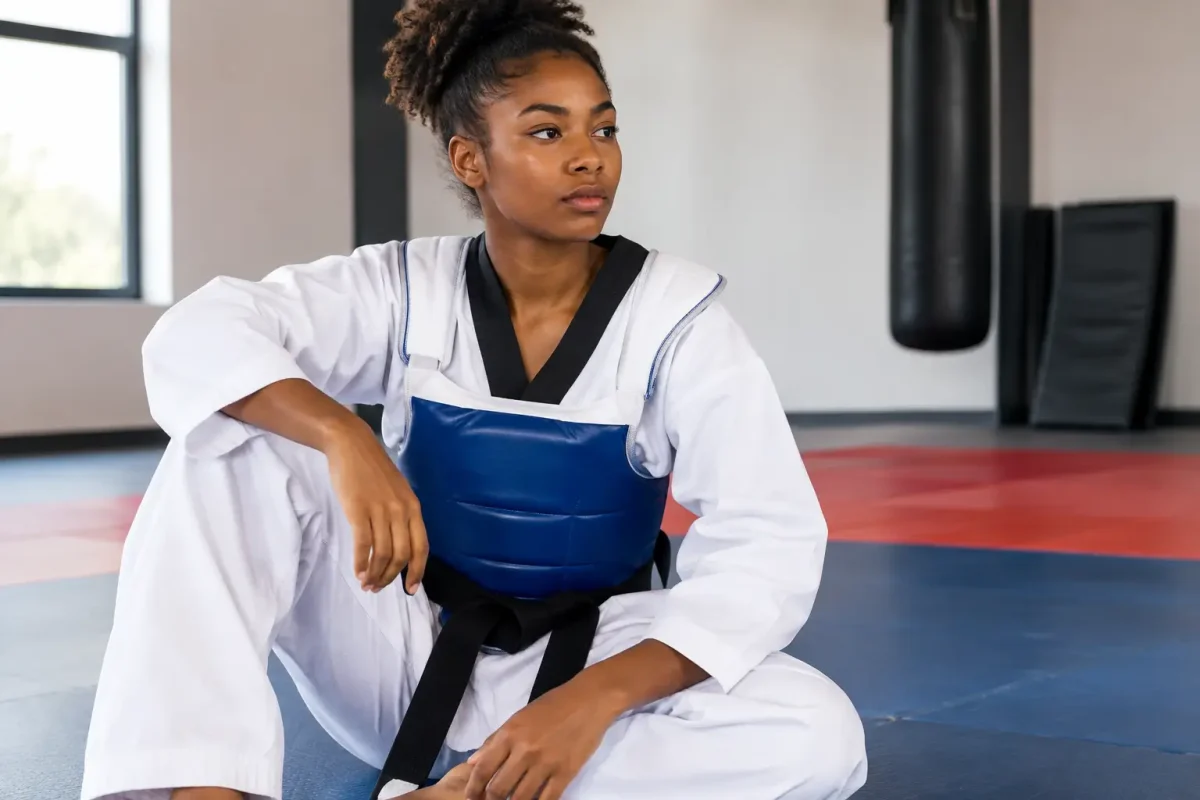
A martial arts class shouldn’t leave you guessing whether you belong. It should give you a clear place to start, a coach who sees your potential, and a structure that makes you want to return. If you’re asking how to choose a martial arts class, don’t begin with the uniform, the belt colour, or the most dramatic social media clip. Begin with the result you need from training.
For some people, that result is practical self-defence. For others, it’s fitness, confidence, stress relief, focus, or a disciplined activity for a child who needs more structure. The right class can build all of these over time, but only if its coaching, culture and programme match the person stepping onto the mat.
Start With the Change You Want
Martial arts aren’t one thing. Taekwondo may appeal to someone who enjoys technical kicking, flexibility and formal progression. Boxing and kickboxing can suit adults looking for conditioning, coordination and a direct outlet for stress. Jiu-jitsu may be a strong fit for people drawn to problem-solving, close-range technique and patient skill development. Yoga and general fitness can also support martial artists who need mobility, recovery and a stronger foundation.
The question isn’t which style is objectively best. The question is what will keep you consistent enough to improve.
Be honest about your current season of life. A parent choosing for a child may prioritise listening skills, boundaries, confidence and healthy social interaction. A teenager may need a constructive challenge and a place where effort matters more than image. An adult managing anxiety, low mood, ADHD, autism, or chronic stress may need training that offers clear routines without unnecessary pressure.
Discipline isn’t about forcing yourself through an environment that drains you. It’s about choosing a practice you can return to, especially when motivation fades.
How to Choose a Martial Arts Class Beyond the Style
A good style taught poorly won’t serve you well. A well-run class creates progress because it has standards: a safe warm-up, clear instruction, appropriate intensity, coaching feedback and a pathway for beginners to develop.
When you visit a class, pay attention to the coach before you assess the techniques. Do they explain the purpose of an exercise, or simply demand that students copy it? Do they correct people with respect? Are beginners given a manageable entry point, or left at the back trying to survive a session designed for advanced students?
The strongest coaches can challenge people without humiliating them. They know that confidence is built through repeated evidence: you practise, you improve, you handle something difficult, and you learn that you can do more than you first believed.
Look for structure, not chaos
A hard session isn’t automatically a good session. Training should be demanding, but demand needs direction. There should be a visible plan for how students learn technique, build fitness, practise safely and progress over weeks and months.
For children, structure may look like a consistent class routine, simple instructions, clear behavioural expectations and regular positive reinforcement. For adults, it may mean scaled exercises, practical coaching and an instructor who understands that someone can be committed to training while still arriving after a demanding workday.
This matters even more for neurodivergent students and those managing mental health challenges. Predictable routines can reduce uncertainty. Clear demonstrations can make learning easier. A coach who understands nervous system regulation will know that not every student needs to be shouted at to perform well. Some need calm, direct guidance and room to build tolerance for challenge at a sustainable pace.
Ask what progression actually means
Belts, grades and competitions can be valuable, but they aren’t the only signs of progress. Ask how the academy measures development. You should hear more than vague promises of getting fit.
A thoughtful programme should help students develop technical skill, physical capacity, emotional control and personal responsibility. You may become stronger and fitter, but you should also become more composed under pressure, more focused during instruction and more willing to keep commitments to yourself.
If competition is your goal, ask how competitors are prepared. If it isn’t your goal, ask whether you can still train seriously without being pushed into a competitive path. Both approaches are valid. The right academy won’t treat one as superior to the other.
Watch the Room, Not Just the Instructor
The culture of a class is visible before the session begins. Notice how existing members speak to one another. Are experienced students patient with newcomers? Are children supervised and encouraged? Does the room feel focused without feeling fearful?
A martial arts academy should have standards. Students should be expected to arrive on time, listen, practise safely and respect training partners. But standards and intimidation aren’t the same thing. You’re looking for an environment where people take the work seriously and where nobody needs to pretend they’re tougher than they’re.
For adults, the right room often feels like a relief. You can train hard, make mistakes, learn a new skill and leave with a clearer head. For children, it should feel purposeful and secure. They should know what’s expected of them and feel that effort is recognised.
Don’t dismiss your first impression. If the atmosphere feels careless, overly aggressive or disorganised, that feeling usually has a reason.
Choose a Class You Can Attend Consistently
The best programme on paper can’t help you if the timetable makes attendance impossible. Consider travel time, work hours, school commitments, family responsibilities and recovery. A class twice a week that you attend reliably will usually produce more progress than an ambitious schedule you abandon after three weeks.
Also consider the physical demands honestly. If you’re returning after injury, carrying extra weight, new to exercise, or rebuilding confidence after a long break, you need coaching that can adapt. You should be challenged, not thrown into a level of intensity that makes you dread the next session.
Beginners don’t need to get fit before joining martial arts. Training is where fitness begins. What you need is a coach who can meet you at your actual starting point and hold you accountable from there.
What Parents Should Ask Before Enrolling a Child
Parents are right to look beyond energy-burning activities. Martial arts can be a powerful developmental tool when the class is designed to teach more than movement.
Ask how instructors manage distraction, frustration and conflict. Find out whether children are grouped by age and developmental stage. Ask how the programme helps shy children participate, energetic children focus, and children with additional needs settle into the class routine.
The goal isn’t to make every child identical. It’s to help each child practise self-control, confidence and respect in a setting where those qualities have real consequences. They listen because instruction matters. They keep trying because effort is expected. They learn to regulate their bodies because training partners deserve care.
A good academy will communicate with parents clearly and avoid making promises it can’t keep. Martial arts can support behaviour, focus and confidence, but the deepest changes come through regular attendance and reinforcement at home.
Use a Trial Properly
A trial class or trial week isn’t just a chance to see whether you enjoy the first session. Use it to test the full experience. Attend more than once if possible, because the unfamiliarity of day one can hide what the programme is really like.
Arrive with a few practical questions: What does a beginner need to wear? How are classes adapted for different abilities? What are the membership expectations? Is there a clear route from beginner to more advanced training? Most importantly, ask yourself after each session: did I feel challenged, supported and keen to return?
At Edson Breedy Athletics, the trial week is designed for exactly this purpose: to let children, teens and adults experience different classes before making a commitment. A serious decision deserves more than a quick look through the door.
Choose the class that asks something meaningful of you while giving you the coaching to meet that standard. The right training environment won’t promise an instant transformation. It’ll give you a place to practise becoming steadier, stronger and more disciplined, one session at a time.
Train your mind. Build your body.
Your first week is just TTD $50, every discipline, every class, no experience needed. Come find out what training with EBA feels like.