A Guide to Beginner Strength Conditioning
September 20, 2026
How to Choose a Martial Arts Class That Fits You
September 24, 2026
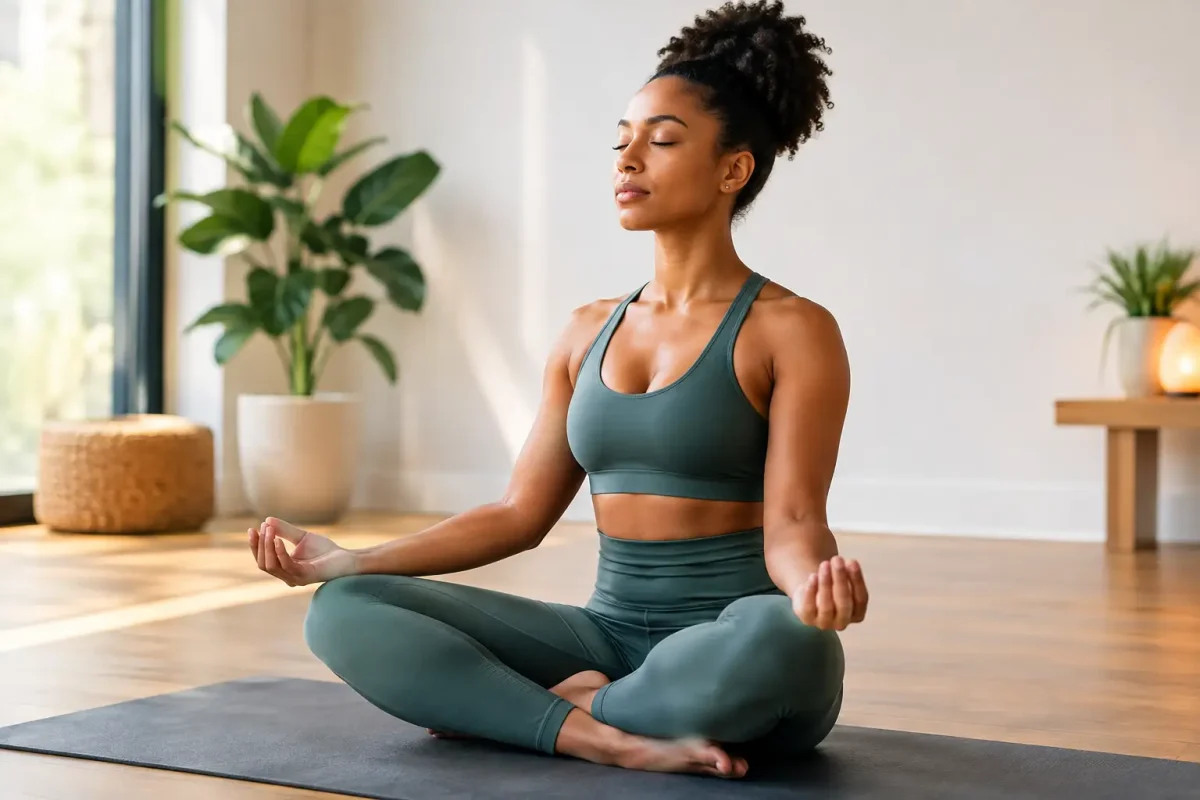
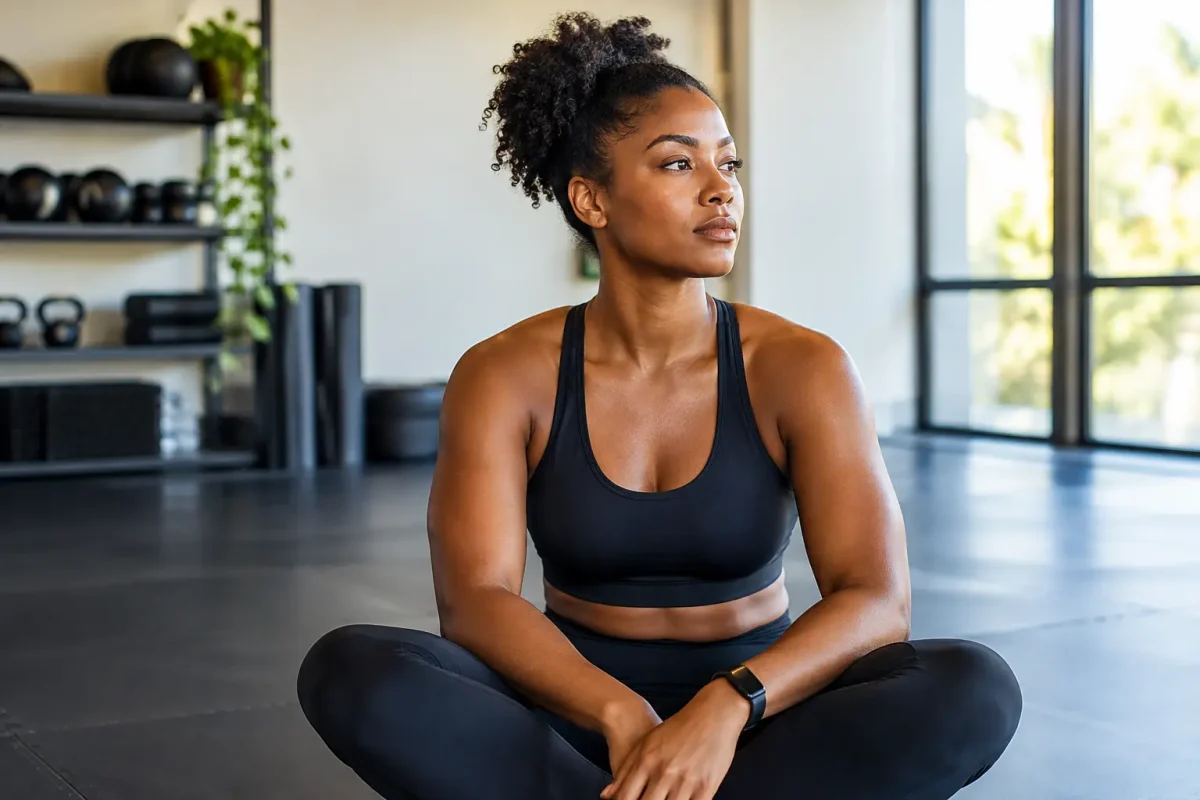
Your body may be physically still while your nervous system is preparing for a fight. Tight shoulders, a racing mind, shallow breathing, irritability, difficulty sleeping - these aren’t character flaws. They’re signals. Yoga for nervous system balance gives you a structured way to meet those signals through breath, movement and attention rather than simply pushing through them.
At Edson Breedy Athletics, we train for more than fitness. We train the ability to respond with control when life, work, school, family demands or training pressure rise. Calm isn’t passive. It’s a skill developed through repetition.
What Nervous System Balance Actually Means
Your autonomic nervous system helps regulate functions such as heart rate, breathing, digestion and alertness. It shifts between states of mobilisation and recovery. You need both. The alert, action-ready state helps you react, train hard and meet a challenge. The recovery state supports rest, digestion, connection and repair.
The problem isn’t stress itself. Stress is part of sport, parenting, exams, work and growth. The problem comes when the body struggles to come back down after the demand has passed. You may feel wired but tired, unable to concentrate, constantly on edge, or strangely flat and disconnected.
Yoga can’t remove every pressure in your life, nor should it be presented as a substitute for medical or mental health care. What it can do is give your system regular evidence that it can shift gears. A slower exhale, a stable posture and a few minutes without threat or performance demands can help build awareness of that shift.
That awareness matters. You can’t regulate a state you never notice.
Why Yoga for Nervous System Balance Works
Yoga is useful because it works through several channels at once. It combines physical sensation, breathing patterns, focused attention and deliberate pacing. Instead of telling your body to relax while your mind is racing, you give it practical information through movement and breath.
A steady, manageable sequence can reduce the sense of chaos many people carry into the room. You know where your feet are. You know what comes next. You can feel the breath moving. For a child who has had an overstimulating school day, an adult carrying work stress, or a martial artist learning to recover between hard rounds, that structure is powerful.
The breath is especially important. Fast, upper-chest breathing often accompanies a threat response. Breathing slowly and comfortably, particularly with a slightly longer exhale, can signal safety to the body. This isn’t a trick that instantly fixes anxiety. It’s a practice that may create enough space to choose your next action rather than reacting automatically.
Movement also helps. Long periods of sitting, scrolling or holding tension can leave the body restless. Gentle transitions such as cat-cow, supported lunges, child’s pose and simple standing balances provide sensory feedback without demanding maximum output. The goal isn’t to force flexibility. The goal is to become more present and more adaptable.
Train Regulation, Not Perfection
Many people approach yoga with the same mindset they bring to fitness: push harder, stretch further, hold longer. Discipline matters, but nervous system training requires discernment. If you turn every class into a test, you may reinforce the very tension you want to reduce.
A productive practice should challenge you without overwhelming you. That line will differ from person to person and from day to day. On one day, a strong flow may leave you grounded and clear-headed. On another, slower floor-based work may be the wiser choice. Progress isn’t always doing more. Sometimes progress is recognising that your body needs less intensity and responding without guilt.
This is particularly relevant for neurodivergent trainees and people living with anxiety, depression or trauma-related stress. Sensory input, close physical proximity, sudden instructions, music volume, lighting and unfamiliar positions can affect how safe a class feels. A well-coached environment offers clear options, predictable structure and permission to pause. There’s no prize for ignoring a genuine warning signal.
At the same time, comfort isn’t the only objective. Avoiding every difficult sensation doesn’t build resilience. The work is to stay with manageable discomfort, breathe through it and learn that you can recover. That’s the same principle that supports intelligent martial arts training.
A 15-Minute Practice for Busy Days
You don’t need an hour, expensive equipment or advanced poses to practise effectively. Consistency beats the occasional heroic session. Set aside 15 minutes, place your mobile phone out of reach and treat the practice as an appointment with your future self.
Begin by lying on your back or sitting supported against a wall. Spend two minutes noticing the contact points beneath you. Don’t try to change anything yet. Simply observe whether the jaw, shoulders, hands or stomach are tense.
Then spend three minutes breathing at an easy pace. Inhale gently through the nose if comfortable, then let the exhale become a little longer without forcing it. If counting helps, try an inhale of four and an exhale of six. If counting creates pressure, let it go. The breath should feel steady, not strained.
For the next six minutes, move slowly through a small sequence: cat-cow, child’s pose, a low lunge on each side, a gentle forward fold with bent knees and a supported seated twist. Stay for several breaths in each position. Notice the difference between a useful stretch and a sharp, pinching or unstable sensation. Respect the difference.
Finish with four minutes in a comfortable resting position. Scan from forehead to feet. Each time your mind wanders, return to a physical anchor: the weight of your body, the air at the nostrils or the rise and fall of your abdomen. The mind wandering isn’t failure. Returning is the repetition.
Make the Practice Transfer Beyond the Mat
The value of yoga isn’t limited to the mat. The real test arrives when your child is upset, a meeting becomes tense, traffic is crawling, or you take a hard strike in sparring and feel your emotions rise. You aren’t aiming to be calm every second. You’re aiming to recognise escalation earlier and regain control sooner.
Use a short version of the practice at key points in the day. Before work or school, take three slow breaths and feel both feet on the floor. Before a difficult conversation, relax the jaw and lengthen the exhale. After a demanding training session, don’t rush straight back into noise and screens. Give your system a few minutes to settle.
For parents, this can be practised alongside children without turning it into another lecture. A simple routine after school - shoes off, water, a few stretches and quiet breathing - creates a reliable transition between external demands and home life. Children learn regulation more effectively through repeated experiences than through being told to “calm down”.
When to Choose Strong Yoga and When to Slow Down
There’s a place for vigorous yoga. Flow-based sessions can build strength, mobility, coordination and confidence. They can also help discharge restless energy. If you feel sluggish, disconnected or physically under-stimulated, a more active practice may improve your mood and focus.
But high-intensity movement isn’t always the answer to high stress. If you’re severely sleep-deprived, dizzy, panicky, recovering from illness or unable to settle after training, choose a gentler session. Reduce the pace. Use more support. Focus on breathing and stable positions rather than complicated sequences.
This isn’t weakness. It’s intelligent training. Athletes periodise strength and conditioning because the body adapts through the right balance of stress and recovery. Your nervous system deserves the same respect.
If anxiety, low mood, panic, traumatic stress or sleep difficulties are significantly affecting daily life, speak with a qualified healthcare or mental health professional. Yoga can sit alongside appropriate support, but it shouldn’t carry a burden it was never designed to hold alone.
Discipline over motivation means showing up honestly. Some days, that means training hard. Some days, it means slowing down enough to hear what your body has been saying all along. Put the mat down, take one steady breath, and begin there.
Train your mind. Build your body.
Your first week is just TTD $50, every discipline, every class, no experience needed. Come find out what training with EBA feels like.