Best Beginner Combat Sports for Adults to Start
October 8, 2026
How Kids Taekwondo Progress Builds Real Discipline
October 12, 2026
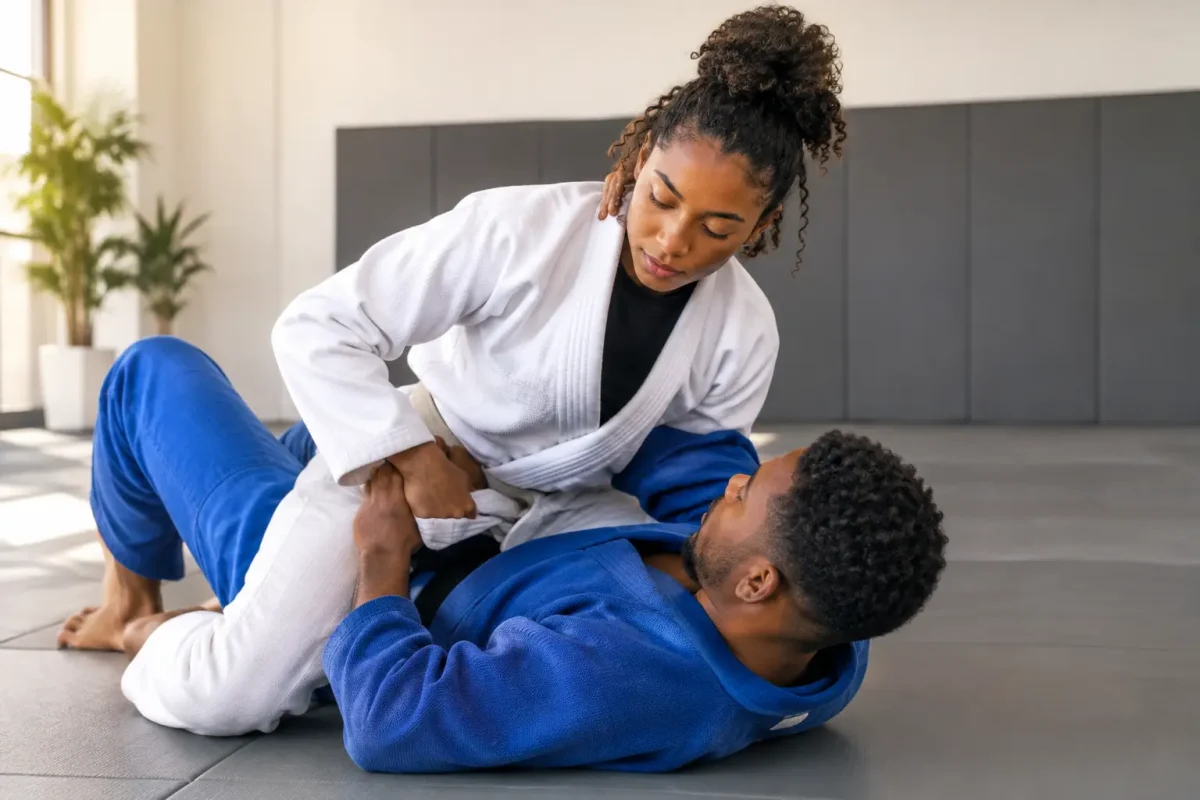
The first time you’re asked to work from the ground with another person can feel confronting. You may worry about getting hurt, being held down, or not knowing what to do. So, is jiu jitsu safe for beginners? In a well-run class, it can be a safe and highly structured way to build fitness, confidence and calm under pressure. But safety isn’t accidental. It comes from good coaching, controlled partners, clear rules and your willingness to train with patience rather than ego.
Jiu jitsu is a contact sport. There’s no honest way to promise zero risk. You may leave with sore muscles, a minor bruise, or the humbling realisation that technique matters more than strength. Yet the right beginner programme is designed to reduce avoidable risk while teaching you how to move, fall, communicate and regulate yourself in close-contact situations.
Why beginner jiu jitsu is safer than it looks
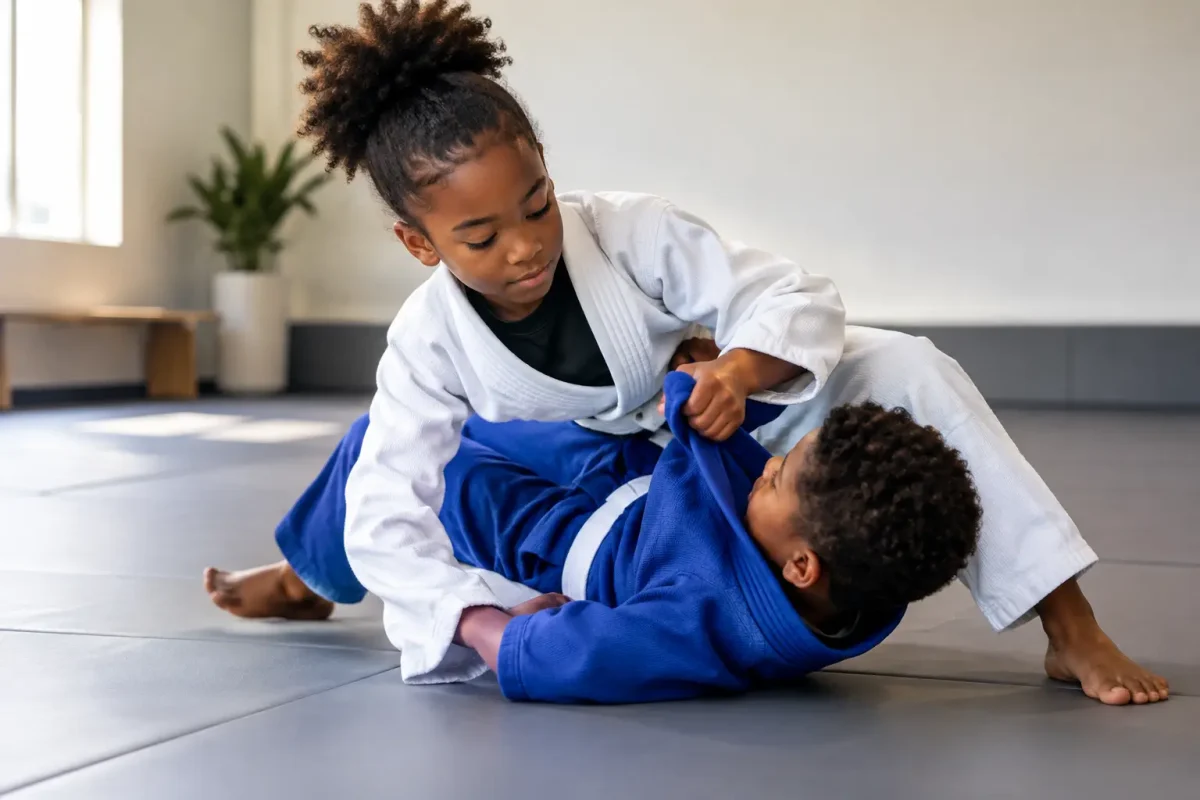
From the outside, grappling can look chaotic. Two people are pushing, pulling, changing position and trying to gain control. Inside a properly coached class, however, the process is broken down. Beginners don’t need to arrive knowing how to wrestle, escape holds or defend themselves against an experienced athlete.
You start with the foundations: posture, balance, safe movement, basic grips, how to protect your joints and how to tap. A tap is the clearest safety tool in jiu jitsu. It means, “stop now”. When someone taps, the other person releases immediately. No argument. No proving a point. This culture is non-negotiable.
Most early training is also positional and limited. Rather than being thrown into an all-out round, you might practise one escape, one guard position, or one controlled drill with a partner. The coach can watch more closely, correct unsafe habits and match the intensity to your experience.
That structure matters because beginners aren’t just learning techniques. They’re learning how to stay composed when their breathing rises, their personal space changes and a problem needs solving quickly. This is physical training for the nervous system as much as it’s training for the body.
Is jiu jitsu safe for beginners with no fitness background?
Usually, yes, provided the class meets you where you’re. You don’t need to be naturally flexible, exceptionally strong or already fit to begin. In fact, waiting until you feel “ready” often becomes another form of avoidance. Start at an appropriate level and let consistent practice build your capacity.
A good instructor will show alternatives for movements that are difficult on the knees, shoulders, neck or lower back. They’ll encourage breaks when needed and teach technique before intensity. If you’re returning to exercise after a long period away, tell the coach. The same applies if you’ve a previous injury, are pregnant, take medication that affects exercise tolerance, or have been advised by a health professional to modify activity.
There’s a difference between productive discomfort and pain. Heavy breathing, effort, muscle fatigue and the awkwardness of learning are normal. Sharp pain, joint pain, dizziness, numbness or a sense that something isn’t right are signals to stop and speak up. Discipline isn’t ignoring your body. Discipline is responding intelligently before a small issue becomes a larger one.
The real safety factors: coach, culture and control
The safety of a jiu jitsu class depends less on the name above the door and more on what happens on the mats every day. Watch how the coach handles new people. Notice whether experienced students make room for beginners or use them as targets. Pay attention to whether the room becomes reckless when rounds begin.
A healthy academy has standards. Students practise clean hygiene, keep nails short, remove jewellery and wear suitable training gear. Coaches explain rules before sparring. Partners are expected to respect taps immediately and adjust their pressure for a smaller, younger or newer student. Unsafe behaviour is corrected, not celebrated.
Control is especially important during sparring, often called rolling. Rolling is where jiu jitsu becomes alive, but it isn’t meant to be a fight. A beginner should be encouraged to move at a manageable pace, breathe, use technique and tap early. There’s no prize for enduring a submission until it hurts. There’s no honour in injuring a training partner.
Choose partners wisely, particularly in your first months. A skilled, controlled person can give you a demanding round while keeping you safe. A careless person can make even a simple drill unpleasant. You’re allowed to say, “Can we go lighter?” You’re also allowed to decline a round with someone whose pace or behaviour doesn’t feel appropriate.
How beginners can reduce injury risk
Your first responsibility is to listen closely, especially when learning how to fall, frame, bridge, shrimp and protect your neck. These basic movements may not look dramatic, but they’re the habits that make more advanced training safer later.
Don’t try to win every exchange. New students commonly tense every muscle, hold their breath and use maximum force to escape. That response is understandable, but it drains energy and can make movement less controlled. Focus on posture, breathing and one simple objective at a time. Technique develops faster when your mind is available to learn.
Consistency also beats occasional intensity. Two or three steady classes each week will do more for your body awareness than one exhausting session followed by a month away. Sleep, hydration and recovery matter. If your joints are already sore, communicate with your coach and train around the issue rather than forcing the same pattern.
Before each class, leave your ego at the door. Train hard, but don’t turn practice into a test of toughness. The strongest choice is often to tap, reset and ask what happened.
Children, teens and the need for age-appropriate coaching
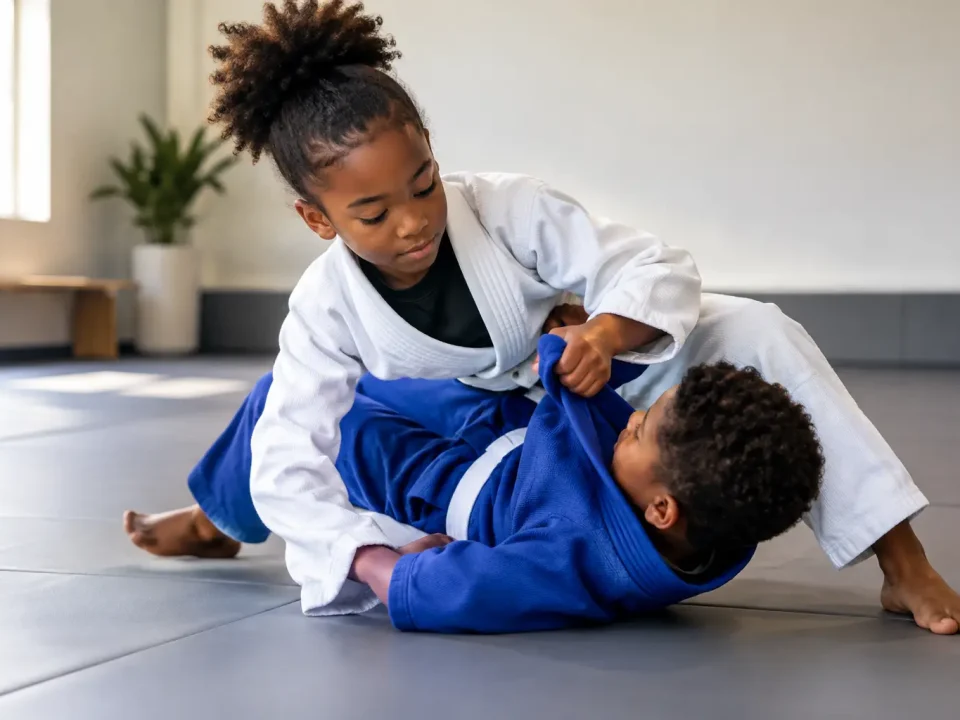
For children, jiu jitsu should never be adult training made smaller. Young people need clear routines, close supervision and games or drills that teach coordination, boundaries and respectful contact. The aim isn’t to create aggression. It’s to develop self-control.
A thoughtful class can be particularly valuable for children who struggle with focus, confidence or emotional regulation. Repetition gives the brain a reliable pattern. Partner work teaches consent, turn-taking and problem-solving. Small, visible progress builds confidence that can carry into school and home life.
The coach must still account for the individual child. Some children enjoy energetic physical contact immediately; others need more time, demonstration and predictable structure. Neurodivergent children may benefit from clear instructions, sensory-aware pacing and permission to step out briefly when overwhelmed. Inclusion isn’t lowering standards. It’s creating a pathway for each student to meet those standards safely.
Parents should look for a class where correction is calm and specific, where children aren’t shamed for making mistakes, and where safety rules are repeated consistently. Confidence grows best in an environment where a child feels challenged without feeling threatened.
What your first month should feel like
Your first month should feel demanding, but not punishing. You’ll probably be confused at times. You may forget the names of positions and find yourself underneath someone wondering how they made that look so easy. That’s normal. Every capable practitioner started there.
You should also feel supported. A coach should know that you’re new, explain what’s expected, and give you a clear next step. You should be able to ask questions without embarrassment. You should leave tired, perhaps humbled, but not afraid to return.
At Edson Breedy Athletics, this is the standard: disciplined training delivered with care for the whole person. Progress isn’t measured only by who submits whom. It’s measured by better focus, steadier breathing under pressure, stronger boundaries and the confidence to keep showing up.
Jiu jitsu asks you to meet discomfort with skill instead of panic. Begin slowly. Tap early. Choose a culture that values control. Then give yourself enough time to discover what disciplined practice can change.
Train your mind. Build your body.
Your first week is just TTD $50, every discipline, every class, no experience needed. Come find out what training with EBA feels like.