Brain Health Exercise for Focus and Resilience
October 2, 2026
A Teen Resilience Example: Progress Under Pressure
October 6, 2026
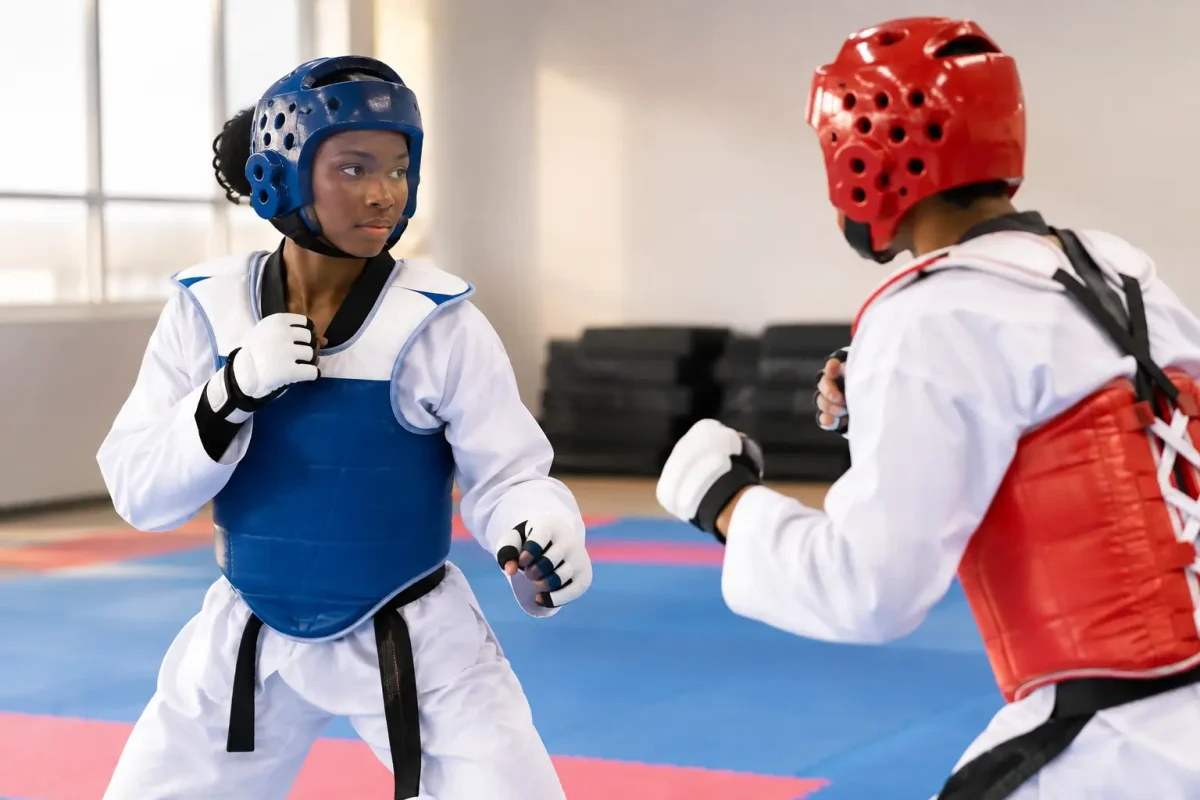
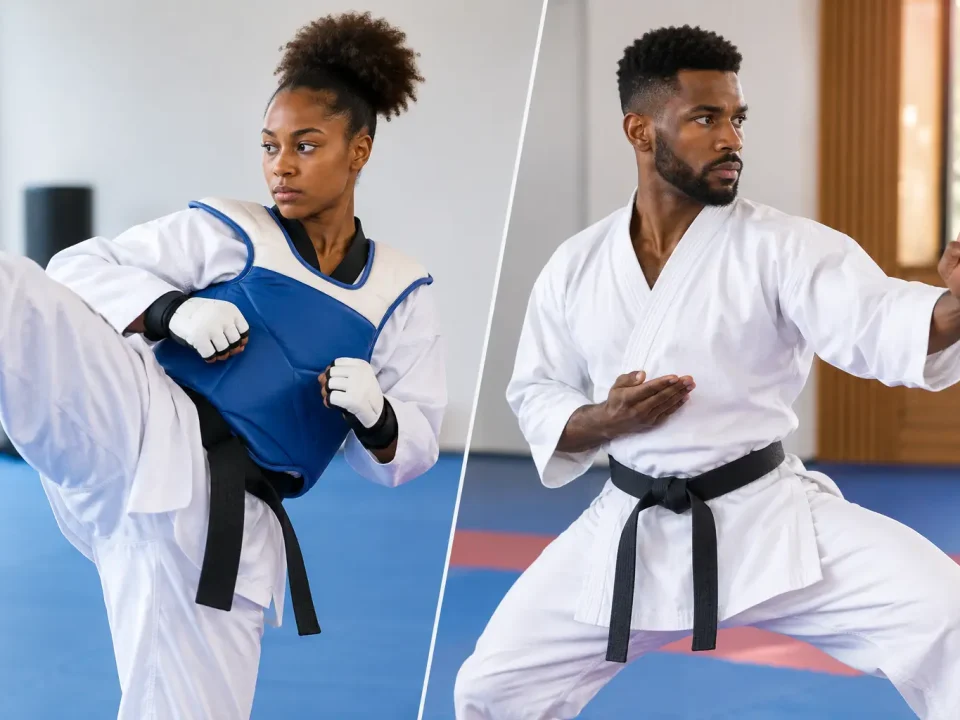
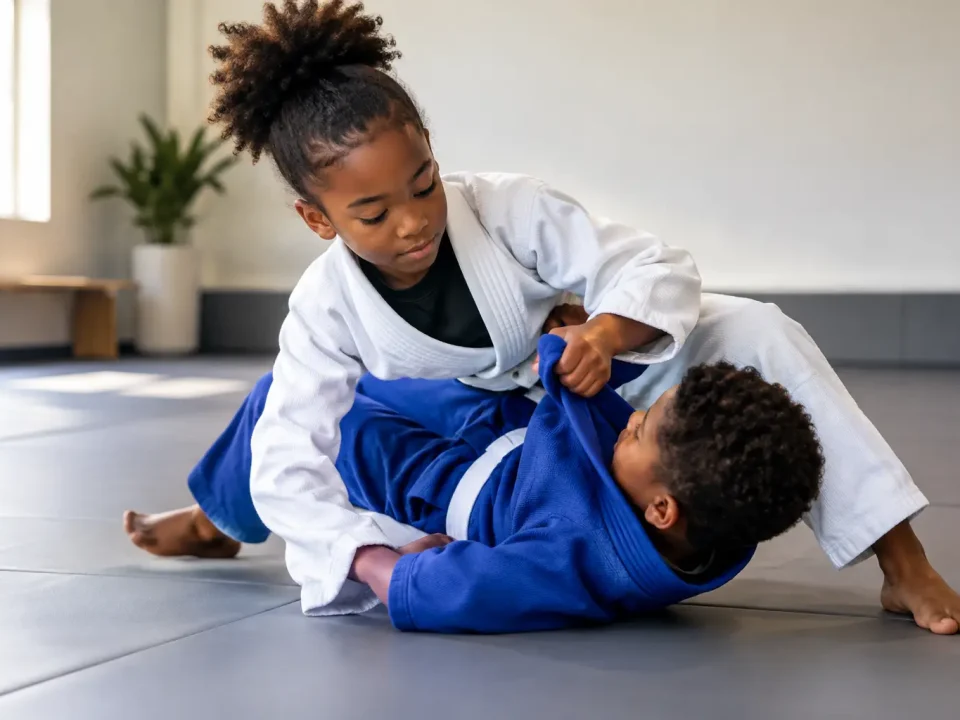
The question, “is sparring compulsory?”, often comes from a sensible place. A parent may be thinking about their child getting hurt. An adult beginner may like the idea of boxing or kickboxing but feel uneasy about being hit. Others may be managing anxiety, ADHD, autism, past trauma, or simply a strong fear of embarrassment.
The short answer is no: sparring shouldn’t be forced. It’s a valuable training tool, but it isn’t the entry fee for becoming fitter, more disciplined, or more confident. Quality martial arts coaching meets you at your current level, builds the right foundations, and introduces pressure only when you’ve the skills and emotional readiness to handle it.
Discipline isn’t forcing yourself through panic. Discipline is showing up consistently, learning the process, and taking the next appropriate step.
Is sparring compulsory for progress?
Not for most students, especially at the beginning. You can make substantial progress through stance work, footwork, pad drills, bag work, partner drills, technical repetitions, fitness conditioning, flexibility, and controlled self-defence practice. These methods develop coordination, timing, balance, cardiovascular fitness, concentration, and technical accuracy without the intensity of live sparring.
For many people, that’s exactly what they need. The adult who wants to reduce stress after work, the teenager who needs a healthier outlet for frustration, and the child learning focus and boundaries can all benefit deeply from martial arts training without being placed into a sparring round before they’re ready.
That said, sparring has a distinct purpose. When it’s coached properly, it teaches you how to stay composed when another person is moving unpredictably. You learn distance, timing, decision-making, emotional control, and the difference between knowing a technique in theory and applying it under manageable pressure.
So the honest answer is more nuanced: sparring isn’t compulsory for belonging in class or gaining the core benefits of training. But it may become an important part of progression for students whose goals include competition, advanced combat-sport performance, or practising techniques under live resistance.
Sparring is a tool, not a test of toughness
A poor training culture treats sparring as a rite of passage. The message becomes: prove you’re tough enough, or you don’t belong here. That approach creates avoidable injuries, teaches people to hide fear, and can turn training into an exercise in survival rather than learning.
A serious academy treats sparring as a tool with clear rules. Like resistance in the gym, it must match the person using it. Too little challenge produces little adaptation. Too much, too soon can create fear, confusion, shutdown, or reckless behaviour.
This matters for the nervous system. When someone feels safe enough to learn, they can notice instructions, regulate their breathing, make decisions, and recover from mistakes. When they feel overwhelmed, the brain shifts towards threat response. Fine motor control, attention, and memory can suffer. Throwing a nervous beginner into hard sparring doesn’t build confidence. It may teach them that martial arts is unsafe.
Confidence comes from evidence. You practise a skill. You perform it successfully. You repeat it under gradually increasing pressure. Your body and mind learn: “I can handle this.” That’s earned confidence, not empty motivation.
What safe progression should look like
Before anyone spars, they should understand basic positioning, how to protect themselves, how to control their power, and how to follow instructions. They should know that tapping out, calling stop, asking a question, or taking a break is responsible behaviour - not weakness.
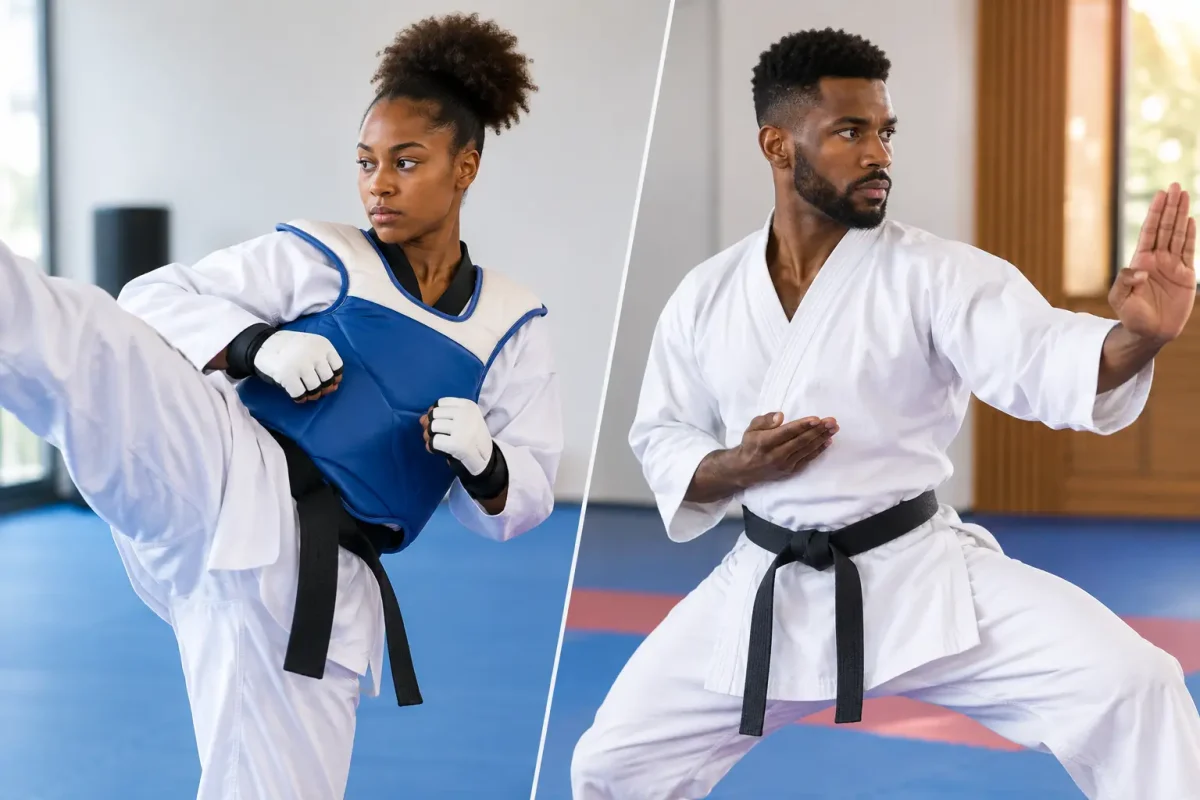
A well-structured pathway usually begins with non-contact technical practice. Students then work with pads and bags, where they can develop form and power without worrying about a partner’s response. Controlled partner drills add movement and timing. From there, optional light sparring can be introduced with clear boundaries.
The coach should set the intensity, pairing, round length, permitted techniques, and objective. A beginner doesn’t need to be matched with the most experienced person in the room. Nor do they need to “win” a round. Their objective might simply be to maintain their guard, use the jab, move calmly, or practise one escape.
Good sparring is often quieter than people expect. It’s controlled, technical, and purposeful. Partners communicate. They adjust. They protect each other’s ability to train tomorrow.
Light sparring isn’t a fight
This distinction matters. A fight is about domination, ego, and uncontrolled escalation. Training sparring is a shared learning exercise. You aren’t there to punish your partner or absorb punishment to impress the room.
Light contact must genuinely be light. If a student repeatedly can’t control their power, they aren’t ready for that level of practice yet. The answer isn’t shame. It’s more technical work, more supervision, and better emotional control.
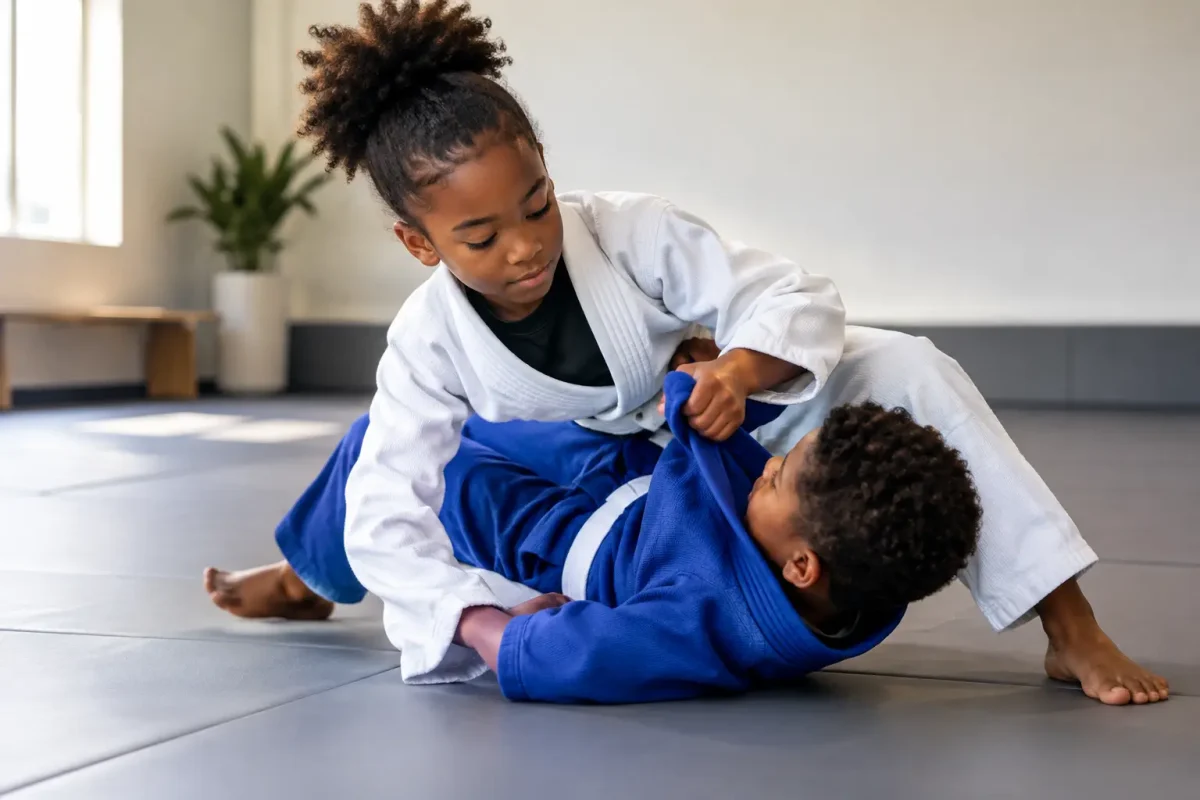
For children, this standard is especially important. Children need structure, boundaries, and age-appropriate challenges. Their martial arts experience should develop confidence and respect, not normalise being intimidated by stronger or more aggressive classmates.
When it makes sense to wait
There are periods when delaying sparring is the smartest decision. You may be returning after injury, rebuilding fitness, learning to manage a new diagnosis, or recovering from a difficult period of anxiety or low mood. You may simply be new and still figuring out whether boxing, kickboxing, Taekwondo, or jiu-jitsu feels right for you.
Waiting doesn’t mean avoiding growth forever. It means choosing the correct dose of challenge. A person with social anxiety may begin by training near others, then partner drilling, then short, highly controlled rounds. A neurodivergent student may benefit from knowing the exact format in advance, having a predictable partner, or being able to step out without drawing attention.
That isn’t lowering standards. It’s intelligent coaching. The standard remains progress, self-control, respect, and consistent effort. The route to that standard may look different from one student to another.
At Edson Breedy Athletics, training is designed as a mind-body practice, not a pressure contest. Physical challenge matters, but so do focus, emotional regulation, and the ability to build resilience without losing trust in the training environment.
When sparring may become necessary
If your goal is to compete in boxing, kickboxing, Taekwondo, or jiu-jitsu, sparring or live rolling will eventually be necessary. Competition demands that you can apply skills against a resisting opponent. Pads alone can’t fully prepare you for the pace, uncertainty, adrenaline, and decision-making involved.
Even then, more sparring isn’t automatically better. Hard rounds have a cost. They require recovery, intelligent supervision, and a purpose. Technical rounds, situational drills, and controlled rounds often provide better learning than repeated all-out exchanges.
For non-competitive students, the question isn’t “Am I brave enough to spar?” Ask instead: “Would this help me achieve my goal right now?” If your goal is fitness, confidence, stress regulation, or learning practical skills, the answer may be yes eventually, perhaps occasionally, or not at all. A good coach will help you decide without coercion.
Questions to ask before joining a class
If sparring is a concern, ask directly how the academy handles it. Find out whether beginners can opt out, how partners are matched, what protective equipment is used, how coaches enforce control, and what happens when someone ignores the rules.
Listen carefully to the answer. “Everyone has to do it eventually” may be acceptable only if it comes with a genuinely gradual, safe, and well-coached plan. “We make them tough” isn’t a plan. It’s a warning sign.
You should also ask what progress looks like for people who don’t intend to compete. A strong academy can explain how it develops skill and confidence at every level, not only for the loudest or most athletic people in the room.
You don’t need to arrive fearless to begin martial arts. You need a willingness to train with honesty, consistency, and respect for the process. Start where you’re. Build the foundations. Let challenge be earned, not imposed.
Train your mind. Build your body.
Your first week is just TTD $50, every discipline, every class, no experience needed. Come find out what training with EBA feels like.