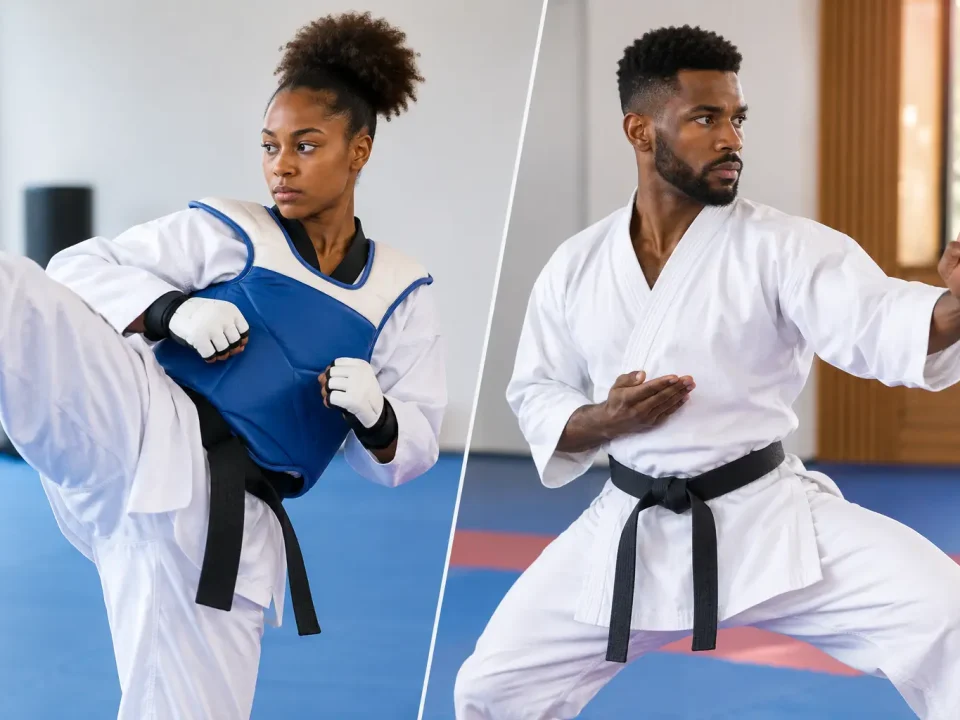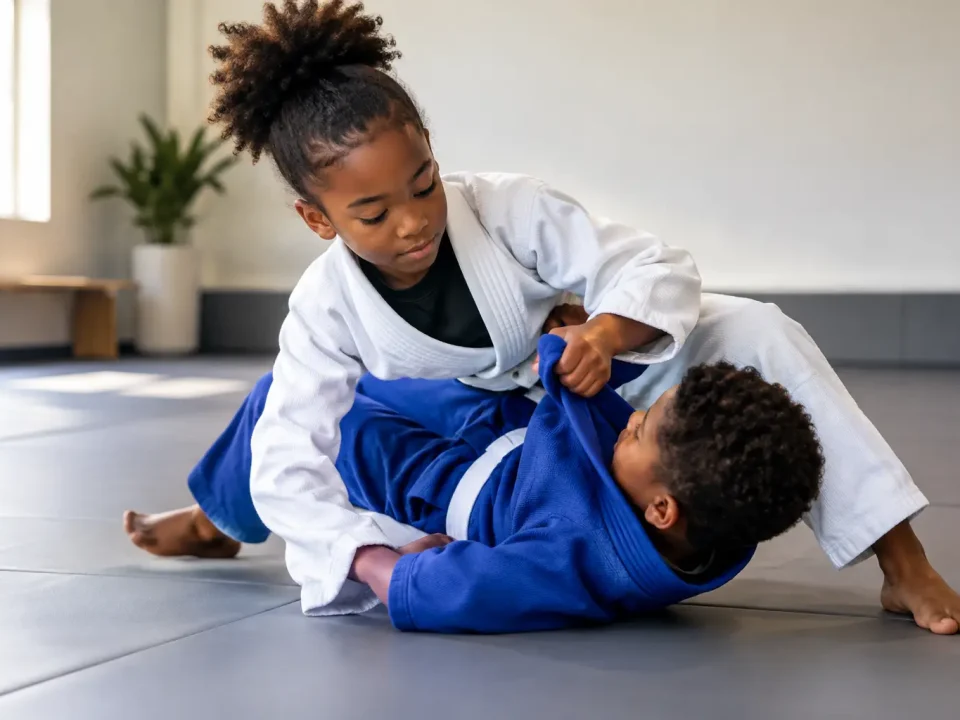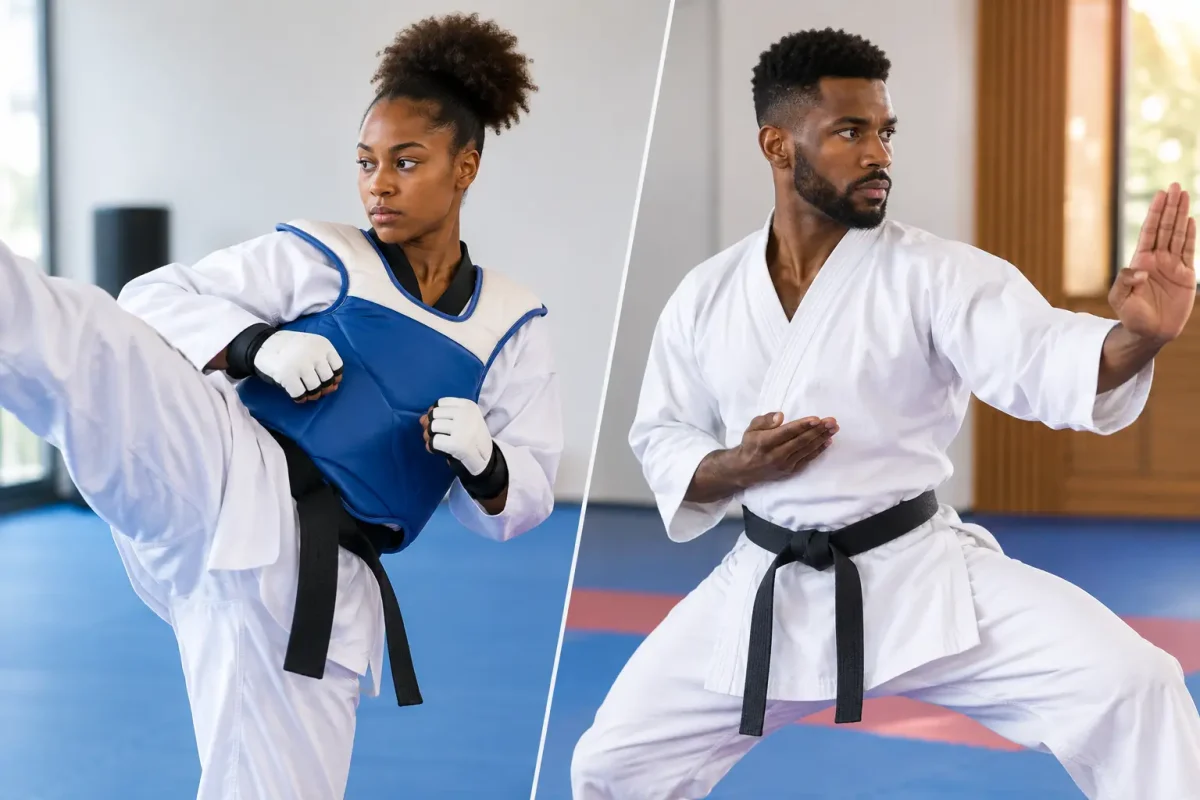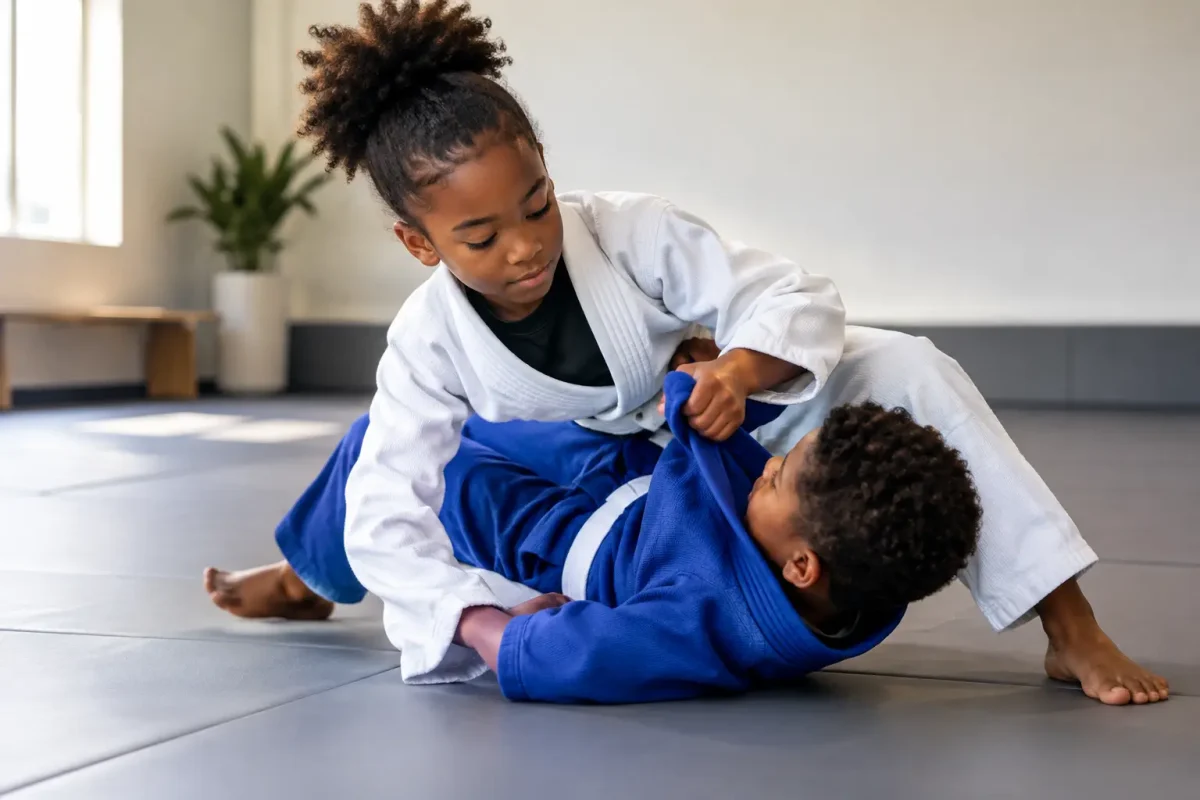
Is Sparring Compulsory in Martial Arts Classes?
October 4, 2026
Best Beginner Combat Sports for Adults to Start
October 8, 2026
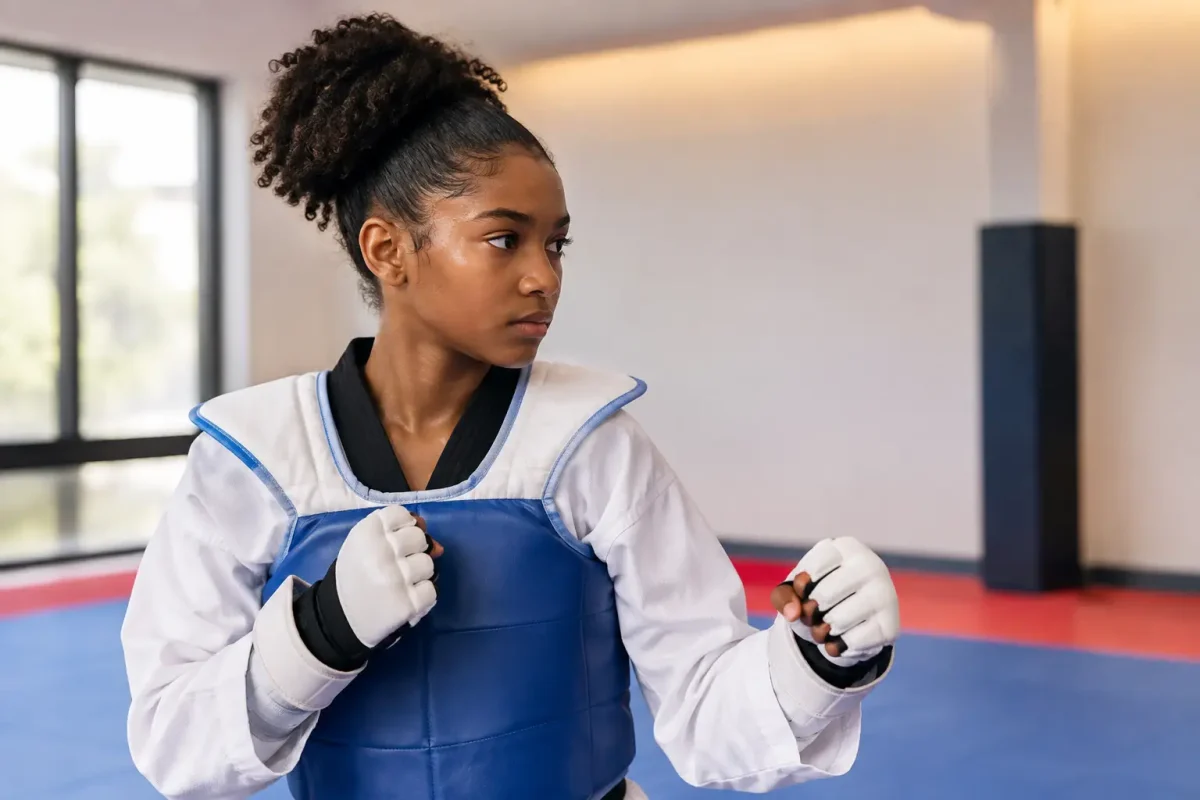
A teen resilience example isn’t a young person who never feels anxious, loses a match, gets overwhelmed at school, or has a bad day. It’s the teenager who learns what to do next. They pause, regulate, return to the task, and keep a promise to themselves even when their feelings are loud.
That skill isn’t built through speeches about being strong. It’s built through repeated experiences of manageable pressure, clear structure, physical effort, recovery, and honest coaching. For parents, this distinction matters. A confident-looking teen can still be struggling to cope. A quiet teen can be building serious inner strength.
What a teen resilience example really looks like
Consider a 14-year-old who has started martial arts after a difficult term at school. He’s bright, but easily frustrated. When a drill doesn’t go his way, he shuts down, blames himself, or wants to leave. At first, even simple corrections feel personal.
In training, he isn’t told to “toughen up” and carry on blindly. His coach gives him one clear instruction: reset his stance, take one controlled breath, and try the movement again at a slower pace. He misses it. He resets. He tries again. By the end of class, the technique isn’t perfect, but he stayed engaged.
A few weeks later, he receives a poor mark at school. The disappointment is still real. But instead of deciding he’s a failure, he recognises the familiar feeling of frustration. He takes a break, asks what he missed, and makes a plan for the next assignment. That’s resilience transferring from the mat into daily life.
The goal isn’t to remove discomfort. The goal is to teach a young person that discomfort can be survived, understood, and worked through. This is how self-trust is earned.
Resilience is regulation before it’s performance
Adults often praise resilience only at the finish line: the teenager who wins, performs, achieves, or appears unfazed. But resilient behaviour begins earlier, in the nervous system. When a teen is flooded by stress, their ability to think clearly, remember instructions, and make good choices can narrow quickly.
Physical training can provide a safe place to practise returning to balance. Controlled breathing after a demanding round, slowing down after a mistake, waiting for instruction, and respecting a training partner all build awareness of internal state. The body learns that a raised heart rate doesn’t always mean danger. The mind learns that pressure doesn’t automatically require panic or escape.
This matters especially for teens managing anxiety, ADHD, autism, low mood, or difficulty with emotional regulation. Structure isn’t a punishment. For many young people, it’s relief. Knowing what happens next, what the boundaries are, and how progress is measured reduces unnecessary uncertainty.
That doesn’t mean every teen needs the same approach. Some respond well to energetic challenge. Others need quieter instruction, more repetition, or time to observe before joining in. Good coaching doesn’t lower standards. It adjusts the route to those standards.
Why martial arts gives resilience somewhere to practise
Resilience can’t grow only in theory. Teenagers need a setting where effort has a clear purpose and feedback is immediate. Martial arts offers that setting because the work is concrete. Your guard was up or it wasn’t. You completed the round or you stopped early. You showed respect to your partner or you need to repair the moment.
The structure also removes some of the ambiguity that makes adolescence difficult. School friendships, social media, family expectations, and identity can feel complicated. Training provides a simple question: what does the next disciplined action look like?
Sometimes it means arriving when motivation is low. Sometimes it means accepting correction without arguing. Sometimes it means tapping out, resting, and returning safely. A teen who learns these lessons in boxing, Taekwondo, jiu-jitsu, kickboxing, yoga, or fitness training has more than a hobby. They’ve a repeatable practice for meeting pressure.
There’s a trade-off. Intensity without emotional safety can make an already stressed teen withdraw further. On the other hand, constant protection from challenge can prevent them from discovering what they can handle. The right environment is demanding and respectful. It expects effort, teaches boundaries, and makes room for recovery.
The small habits behind lasting confidence
Confidence is often mistaken for a personality trait. In reality, much of it comes from evidence. A teen becomes more confident when they can point to moments where they did something difficult and didn’t abandon themselves.
This is why small commitments matter. Packing a training bag the night before. Showing up on time. Completing the warm-up properly. Listening when corrected. Trying a drill once more after getting it wrong. None of these actions is dramatic. Together, they shape identity.
The message becomes: I’m someone who follows through. I can feel nervous and still participate. I can make a mistake without making it my whole story.
Parents can support this process without turning every conversation into a performance review. Ask specific questions after training: What was hard today? What did you do when it got hard? What would you try differently next time? These questions direct attention towards effort, strategy, and recovery rather than praise alone.
Be careful not to demand instant transformation. A teenager may become more capable before they become more expressive. They may still have emotional outbursts at home while learning to regulate better in training. Progress is rarely a straight line, especially during adolescence. Look for a shorter recovery time, a greater willingness to try, and a growing ability to take responsibility.
What accountable coaching changes
Teens need adults who can see beyond surface behaviour. The child who talks constantly may be avoiding discomfort. The teen who refuses to join a drill may be overwhelmed, embarrassed, or unsure of the expectation. Curiosity matters, but so does direction.
Accountable coaching names the standard clearly: be respectful, stay safe, keep working, communicate when you need help. It then gives the teen practical tools to meet that standard. A coach may break a task into smaller steps, offer a predictable routine, or help a young person use breathing and movement to settle before rejoining the group.
At Edson Breedy Athletics, this mind-body approach is central to the work. Physical training is treated as a vehicle for discipline, focus, stress regulation, and long-term psychological resilience. The aim isn’t to create fear of failure. It’s to create capable young people who know how to respond when failure happens.
That approach is valuable for beginners as well as highly driven athletes. The teenager who has never played a sport may need the most careful introduction to challenge. They deserve a place where effort is noticed, progress is structured, and no one is mocked for learning.
Help your teen build resilience without forcing it
Start with consistency rather than intensity. One or two regular sessions each week can be more powerful than a short burst of enthusiasm followed by months away. A predictable routine gives the brain and body time to learn that challenge is familiar, not threatening.
Choose an environment where the coach can hold both care and standards. Your teen shouldn’t be humiliated, ignored, or pushed through pain. They also shouldn’t be allowed to negotiate their way out of every difficult moment. Discipline over motivation means taking the next appropriate action, not pretending emotions don’t exist.
Finally, let training belong to your teenager. Encourage them, provide the structure, and celebrate the effort, but avoid making every session about your ambitions for them. Resilience grows best when a young person begins to claim the process as their own.
The next time your teen faces a hard moment, don’t look only for a perfect result. Look for the reset: the breath, the return, the honest attempt. That’s where a stronger life begins.
Train your mind. Build your body.
Your first week is just TTD $50, every discipline, every class, no experience needed. Come find out what training with EBA feels like.