Boxing Versus Kickboxing Training: Which Fits?
September 14, 2026
How to Improve Kickboxing Balance Under Pressure
September 18, 2026
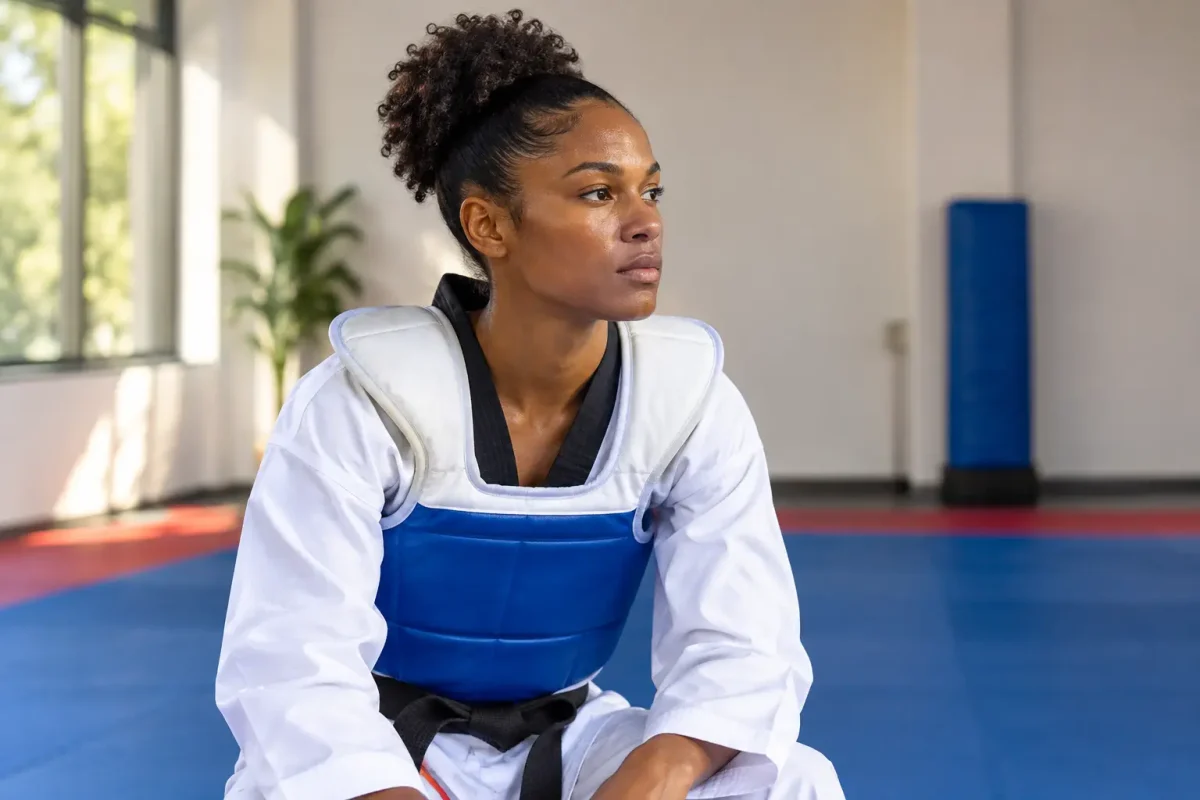
Some days, getting through the front door is the hard part. Your thoughts are loud, your body is tense, and every small demand feels heavier than it should. Mental resilience isn’t pretending that pressure doesn’t affect you. It’s the trained ability to meet pressure, regulate your response and keep moving with purpose.
That ability isn’t reserved for elite athletes, naturally confident people or those with easy lives. It’s built through repeated practice. The kind that asks you to show up when motivation disappears, breathe when your heart rate rises, listen when correction feels uncomfortable and begin again after a difficult session.
What mental resilience actually means
Mental resilience is your capacity to recover, adapt and act effectively when life becomes demanding. It matters when a child is frustrated by a new skill, when a teenager faces social pressure, when a parent is carrying too much, or when anxiety makes an ordinary task feel enormous.
Resilience is often misunderstood as toughness without emotion. That isn’t the goal. Suppressing fear, sadness or anger may help someone look composed in the moment, but it doesn’t teach the nervous system how to process challenge. Real resilience makes room for the feeling, then gives you a response: slow the breath, settle your stance, follow the next instruction, complete the next round.
This is why discipline matters more than motivation. Motivation is useful, but it changes with sleep, stress, weather and mood. A structure you can rely on gives you something stronger. You don’t need to negotiate with yourself every day. You follow the plan.
Why physical training develops mental resilience
The body and mind don’t train separately. A racing heart can be excitement, fear or exertion. Tight shoulders can signal stress before you’ve named it. When training is coached well, physical effort becomes a safe environment for learning how to recognise these signals without being controlled by them.
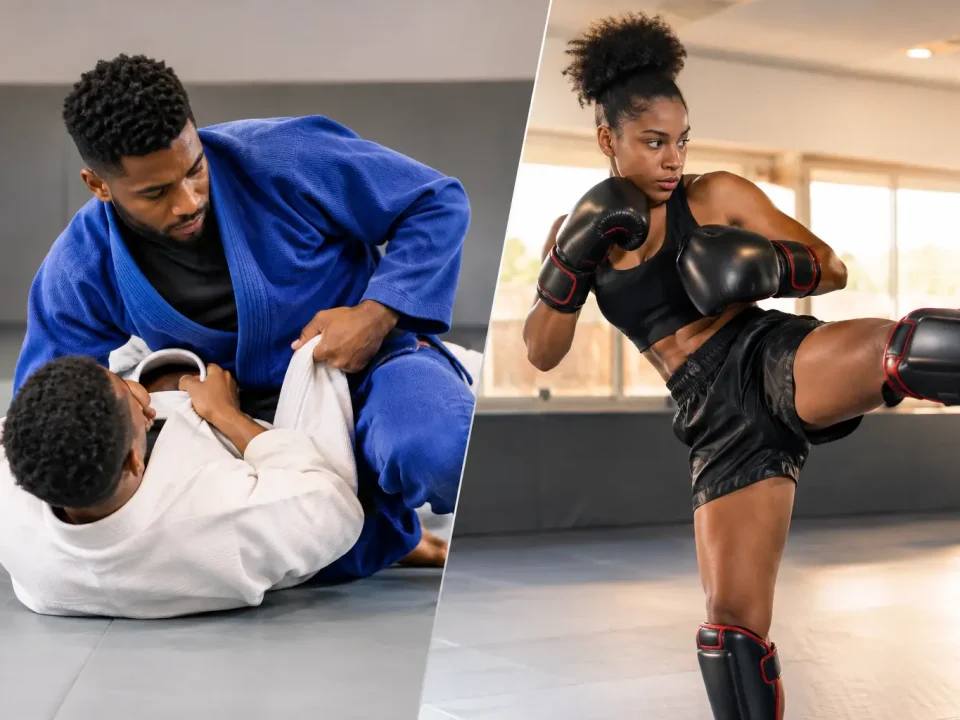
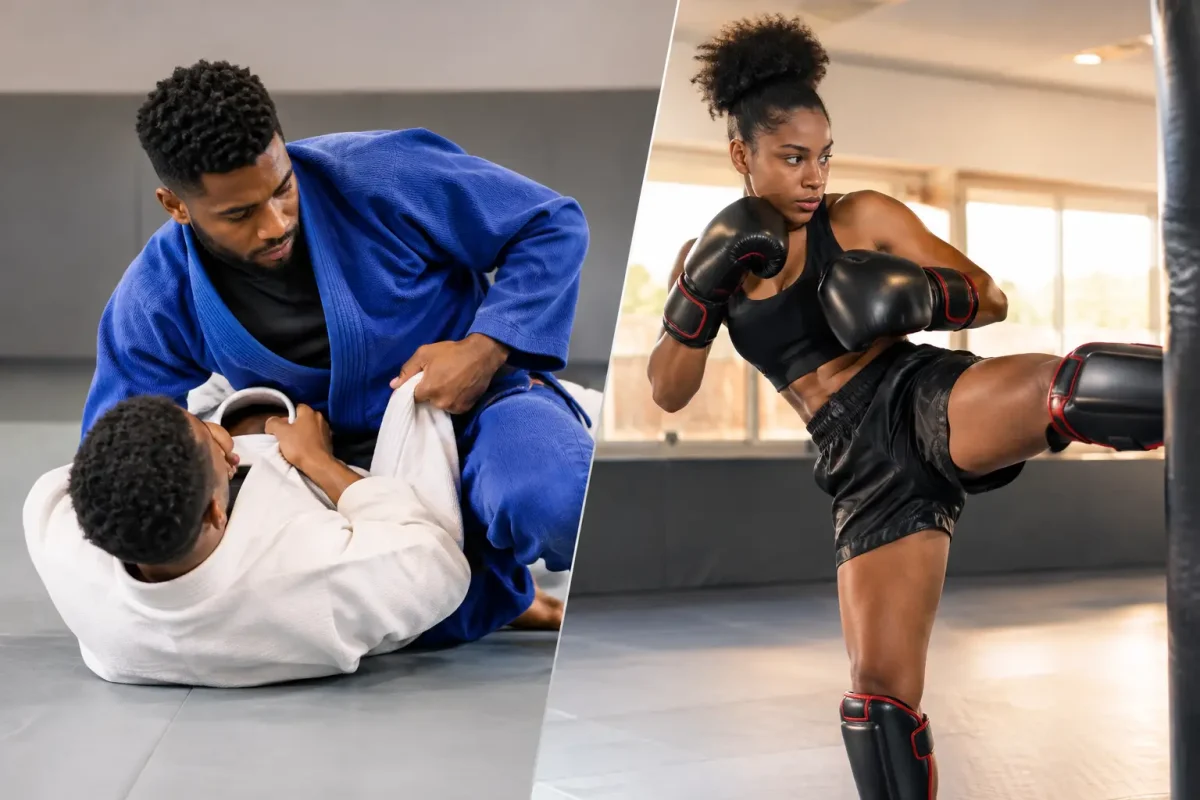
A demanding class gives the brain clear evidence: “This is hard, and I can remain present.” You may feel fatigue during pad work, nervousness before sparring or frustration while learning a jiu-jitsu sequence. Yet you practise responding rather than reacting. You reset your position. You take instruction. You try again.
Over time, this creates confidence with substance behind it. Not empty self-belief. Not the need to prove yourself loudly. It’s confidence based on memory: you’ve struggled before, stayed with the process and improved.
For people managing anxiety, ADHD, autism, depression or chronic stress, the right environment is essential. High energy without structure can overwhelm. Intensity without emotional safety can discourage people from returning. Training should have clear expectations, predictable progressions, appropriate sensory awareness and coaches who understand that a person may need encouragement, clarity or a brief reset rather than judgement.
The practices that strengthen resilience
Mental resilience grows through small, repeatable exposures to discomfort. The objective isn’t to make every session miserable. It’s to stop treating discomfort as a command to quit.
Keep promises that are small enough to keep
The first promise might be simple: attend two classes this week, take a ten-minute walk, practise a stance at home or arrive five minutes early. Don’t make the promise dramatic. Make it specific.
Each completed commitment strengthens self-trust. Each missed day isn’t proof that you’ve failed. It’s information. Adjust the plan, remove unnecessary barriers and return at the next opportunity. Consistency isn’t perfection. It’s the decision to return quickly.
Train your response to pressure
Hard training is valuable because it reveals habits. Some people rush. Some freeze. Some become self-critical after one mistake. Some disengage when they aren’t immediately good at a skill.
Notice your pattern without attacking yourself for it. Then practise a better response. If you rush, slow your exhale and focus on technique. If you freeze, use one clear cue: hands up, eyes forward, move your feet. If your inner voice becomes cruel, replace it with coaching language: “Reset. Learn. Repeat.”
This transfer matters outside the training space. The same pause you use before the next round can help before a difficult conversation, a school presentation or a stressful meeting.
Build competence, not just exhaustion
Leaving a session drenched in sweat can feel satisfying, but mental resilience isn’t built by exhaustion alone. Skill progression matters. Learning how to throw a cleaner punch, hold a yoga posture with steadier breathing or escape a difficult position teaches patience and attention.
Competence changes the way challenge feels. What was once threatening becomes a problem you know how to approach. This is one reason martial arts and structured fitness can be powerful for both children and adults: progress is visible, earned and personal.
Let the nervous system recover
Resilience includes recovery. Constantly pushing past exhaustion can make stress regulation worse, particularly for people already carrying anxiety, low mood, sensory overload or poor sleep. There’s a difference between productive challenge and ignoring your body’s warning signs.
Use recovery with intention. Sleep enough where possible. Eat consistently. Make space for calm breathing after intense work. Take lighter sessions when fatigue is persistent. Speak to a qualified health professional when distress, panic, depression or physical symptoms are affecting daily life.
Rest isn’t weakness. It’s part of the training cycle that allows you to return with attention and capacity.
Mental resilience for children and teenagers
Young people need more than instructions to “be confident”. They need repeated experiences of effort, boundaries and belonging. A good class teaches them that they can be corrected without being shamed, lose a round without losing worth and face a challenge without being rescued from every discomfort.
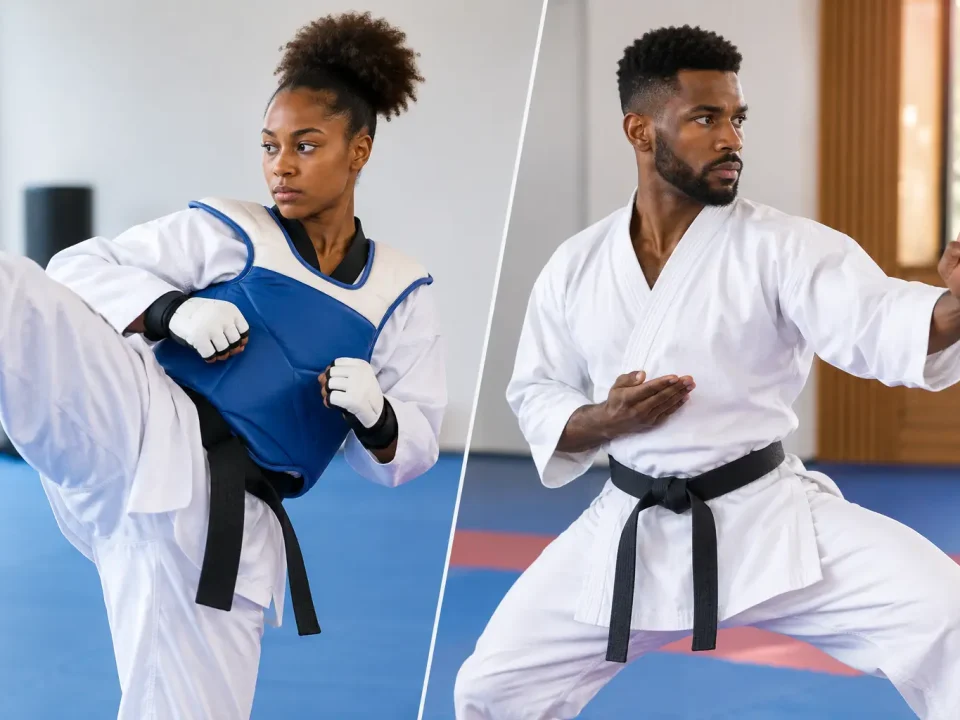
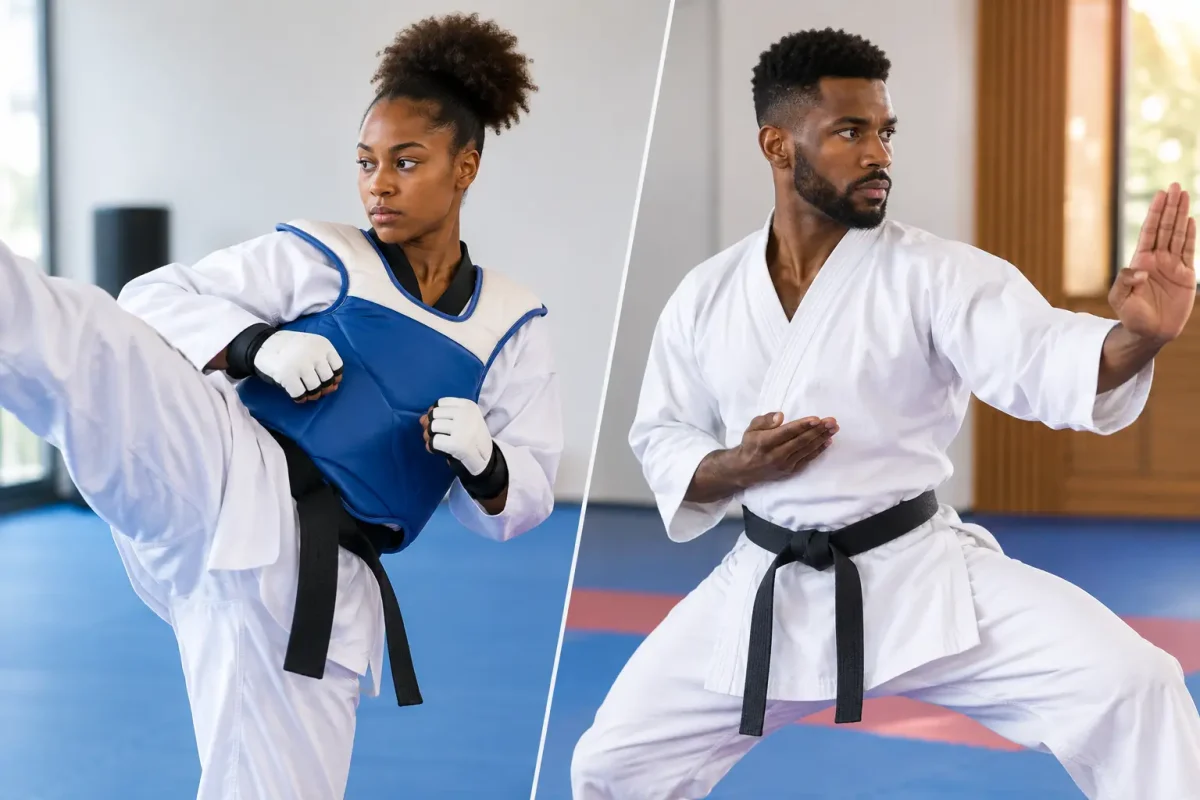
For a child, tying a belt correctly, remembering a sequence or returning after a hard day can become a meaningful win. For a teenager, training may provide a steady place to build identity away from the noise of social media, academic pressure and comparison.
Parents should look for coaching that’s firm and respectful. Discipline should create security, not fear. Clear rules, consistent consequences and genuine encouragement help young people understand that behaviour can be guided and skills can be improved.
When resilience training becomes unhelpful
There’s a harmful version of resilience messaging that tells people to push through everything. That approach can dismiss real pain. It can also make someone feel ashamed for needing help.
Strength includes asking for support. If someone is withdrawing, struggling to function, experiencing severe anxiety, dealing with persistent low mood or facing thoughts of self-harm, training shouldn’t be treated as the only answer. Movement can support wellbeing, but it doesn’t replace appropriate clinical care, family support or professional mental health treatment.
A responsible coach knows the difference between encouraging effort and overstepping their role. The best training environments build people up while respecting those boundaries.
A structure worth returning to
At Edson Breedy Athletics, training is designed as more than a workout. It’s a structured opportunity to practise focus, emotional regulation, courage and accountability in a supportive setting. Beginners don’t need to arrive confident. They need to arrive willing to learn.
The person who becomes mentally resilient is rarely the person who never doubts themselves. It’s the person who learns what to do when doubt arrives. Put on the uniform. Take the first breath. Do the next repetition. Then come back and do it again.
Train your mind. Build your body.
Your first week is just TTD $50, every discipline, every class, no experience needed. Come find out what training with EBA feels like.